


French Brass Box
When you handle a french brass box, you touch tangible nineteenth-century craftsmanship designed to safeguard small valuables with continental flair.
French Brass Box
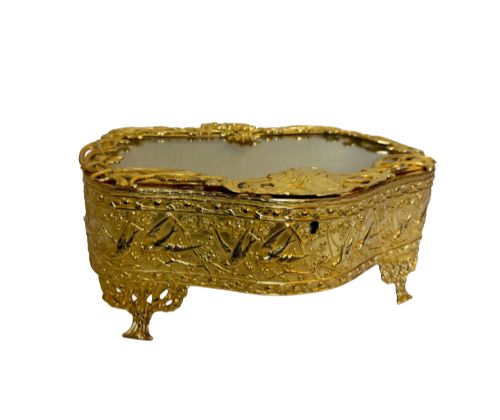
A french brass box encompasses a diverse group of nineteenth-century containers designed for storage, writing, or display, including trinket boxes, jewellery caskets, and tantalus sets.
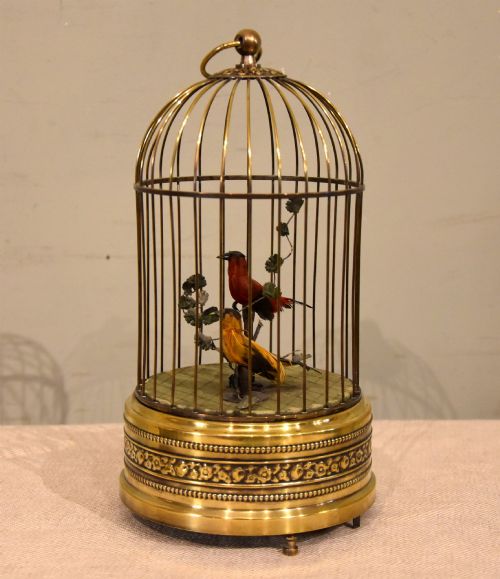
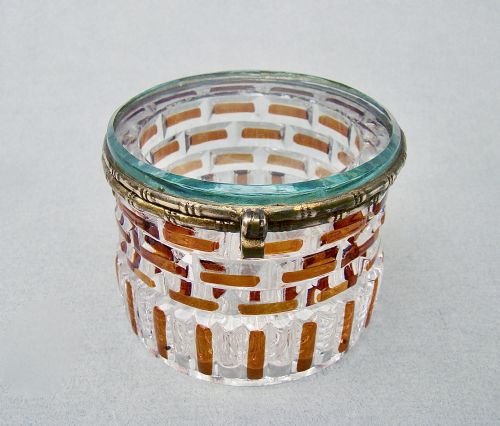
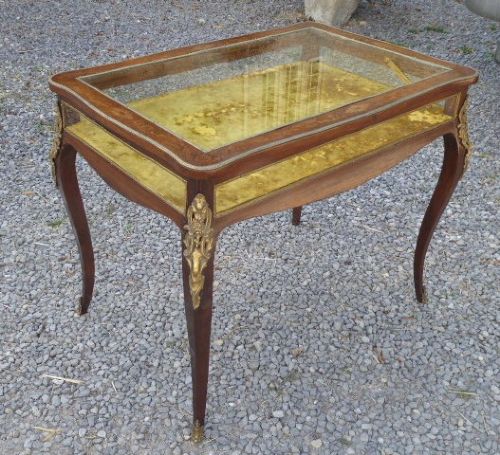
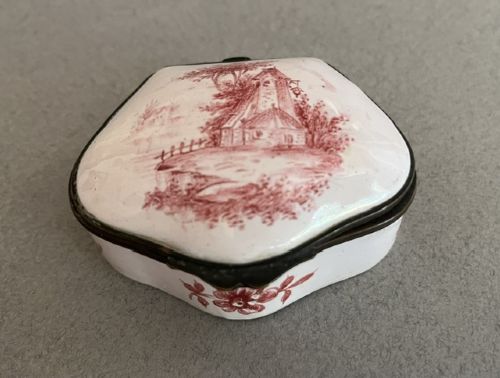
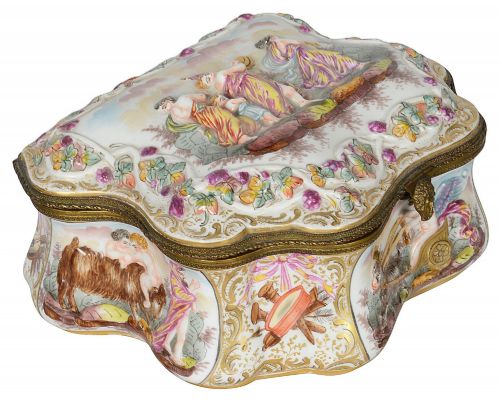
Buyers seeking this specific search phrase will frequently encounter pieces embellished with glass, porcelain, enamel, or exotic woods framed in polished brass or ormolu mounts.
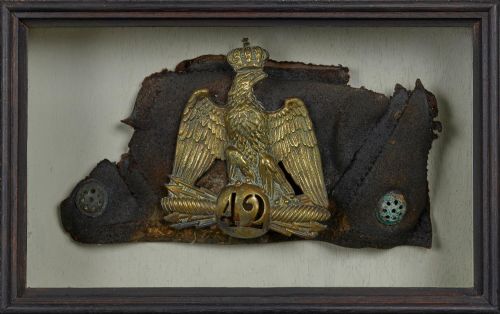
The objects originate primarily from continental workshops and Paris makers, reflecting popular revival aesthetics such as Napoleon III, Rococo, and Louis XVI styles.
How they were made
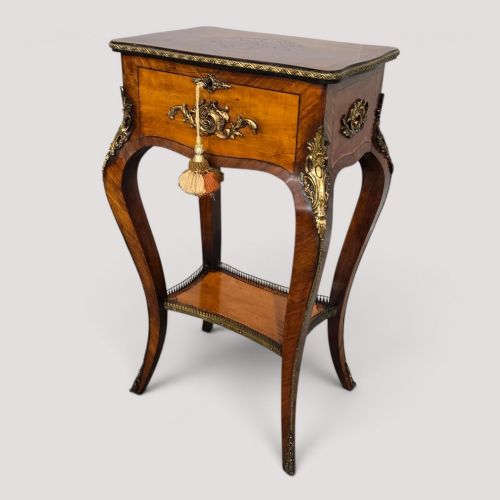
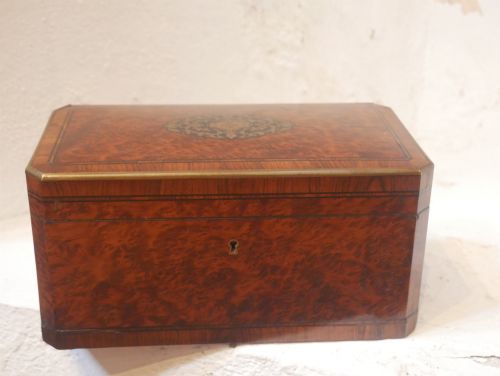
These containers combine structural timbers like mahogany, rosewood, amboyna, or walnut with cast and chased brass or gilt bronze mounts secured by tiny pins.
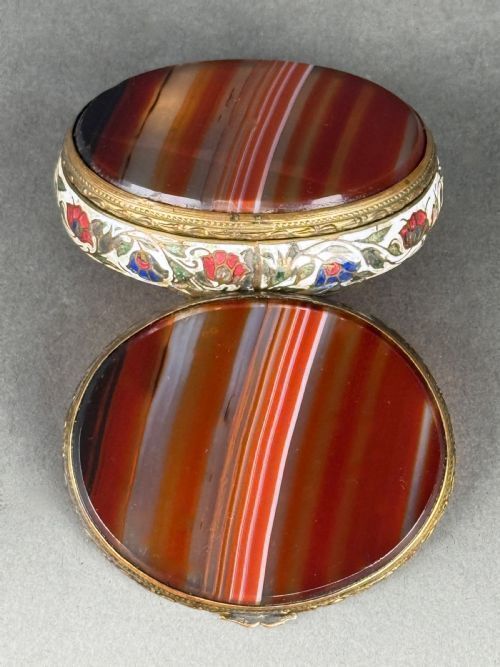
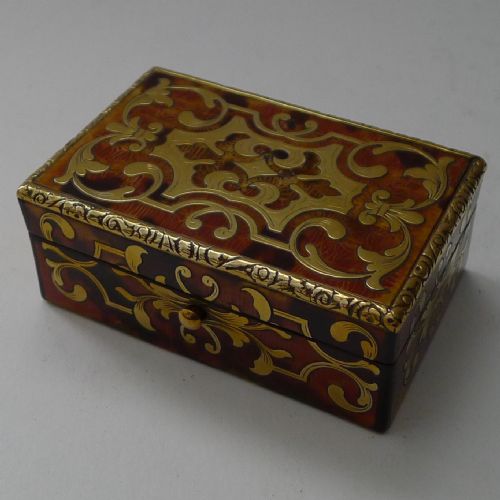
Decorative panels frequently incorporate champlevé enamel, hand-painted porcelain plaques, tortoiseshell, mother-of-pearl, or cut brass boulle work set into dark veneers.
The listings demonstrate a heavy reliance on nineteenth-century dates, utilising materials such as brass, tortoiseshell, mahogany, and enamel across various decorative box forms.
What varies in quality
The distinction between standard containers and finer workshop pieces lies in the crispness of the cast brass ornamentation and the precision of the wood inlay.
Superior examples feature heavy, well-defined ormolu frames, intact interior silk or velvet linings, working locks with original keys, and signed maker plaques.
Tahan Paris·Howell & James London·L Epee·Henri de Magnac
The French Brass Box Glossary
- Ormolu
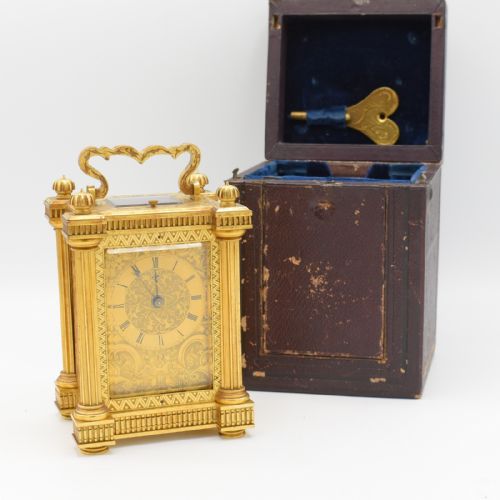
- A gilded bronze or brass surface treatment used extensively for decorative mounts on nineteenth-century furniture and containers.
- Boulle
- A form of marquetry utilising tortoiseshell and cut brass inlay developed in France and revived during the Napoleon III period.
- Champlevé
- An enamelling technique where troughs are dug into a metal surface and filled with vitreous paste before firing.
- Amboyna
- A highly prized, richly figured exotic burl wood frequently utilised for veneering luxury nineteenth-century boxes.
- Bijouterie
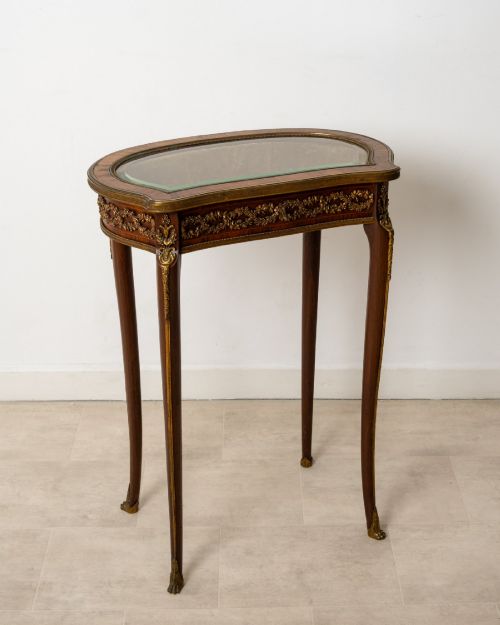
- A glass-topped display table or cabinet designed specifically for showcasing small decorative items and jewellery.
French Brass Box: Frequently Asked Questions
What were french brass boxes used for originally?
These containers served practical domestic purposes for affluent households, holding personal items such as writing implements, playing cards, stamps, and jewellery.
Larger variants functioned as portable storage for spirits, gloves, or sewing equipment while travelling or entertaining guests.
How can I tell the difference between periods?
Pieces associated with the early nineteenth century often lean toward architectural classical lines, whereas mid-century examples embrace elaborate exotic wood veneers and Boulle revival work.
Later Victorian and Belle Epoque items frequently incorporate softer floral motifs, champlevé enamel panels, and gilt bronze frames.
Are keys usually included with these boxes?
Original working keys occasionally accompany surviving pieces, though many containers survive today without their locking mechanisms.
Specialist dealers frequently note whether a key is present within the physical description of the item.
How should I care for brass and wood surfaces?
Maintaining these materials requires gentle dusting with a dry microfibre cloth to protect delicate veneers and aged metal patinas.
Harsh chemical polishes should be avoided entirely to prevent damage to surrounding tortoiseshell, enamel, or gilded ormolu mounts.