
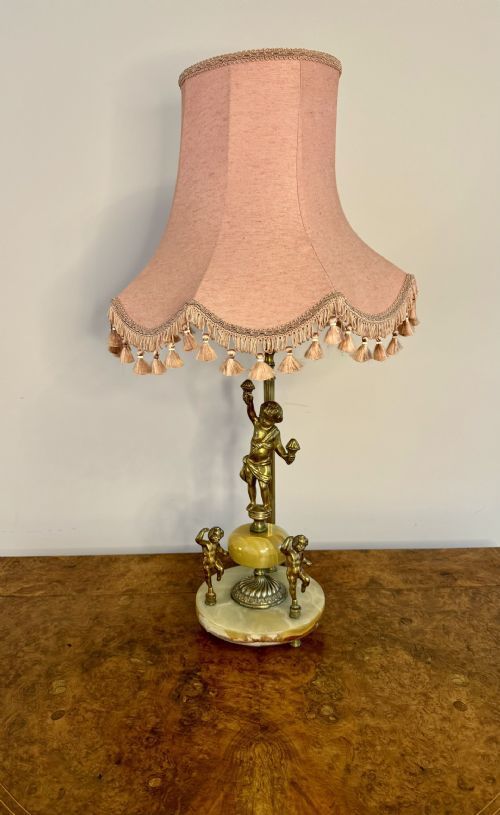


French Bedside Reading Lamp
These French bedside reading lamp examples bring period metalwork and porcelain to your room, offering focused lighting rooted in nineteenth and early twentieth-century design.
French Bedside Reading Lamp
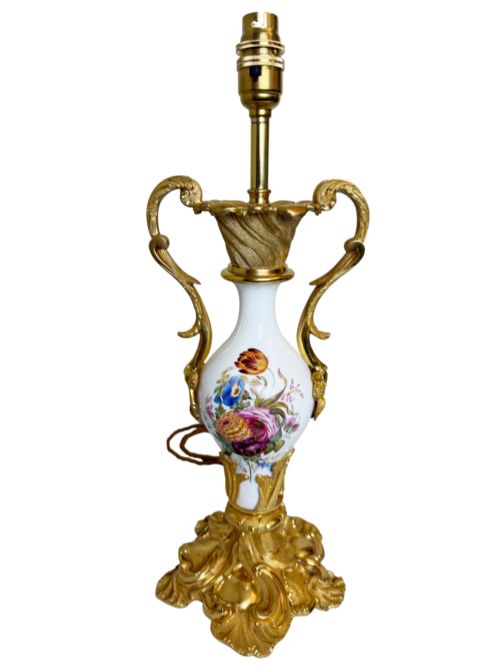
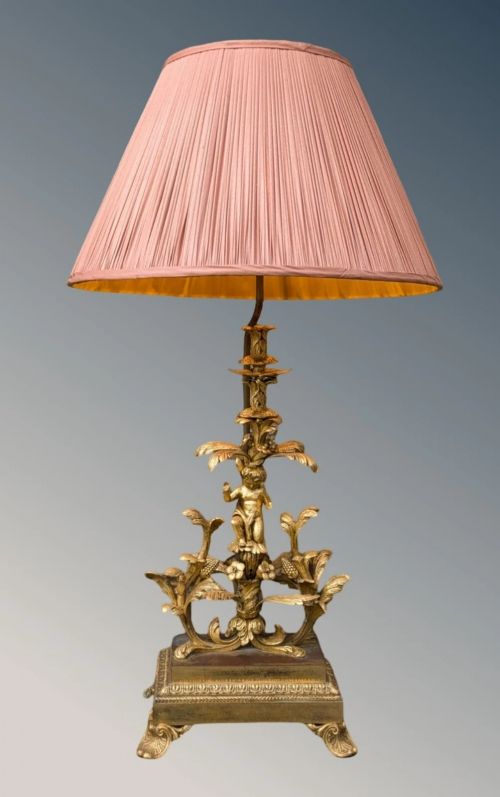
A French bedside reading lamp brings decorative illumination to a bedroom, taking the form of a table lamp designed for placement near a bed. When you search for a French bedside reading lamp, you encounter table lamps produced across various periods ranging from the late nineteenth century through the early twentieth century.
The selections span several distinct historical styles, including Rococo Revival, French Neoclassical, Art Nouveau, and Louis XVI. These table lamps serve both practical illumination needs and decorative roles within interior spaces.
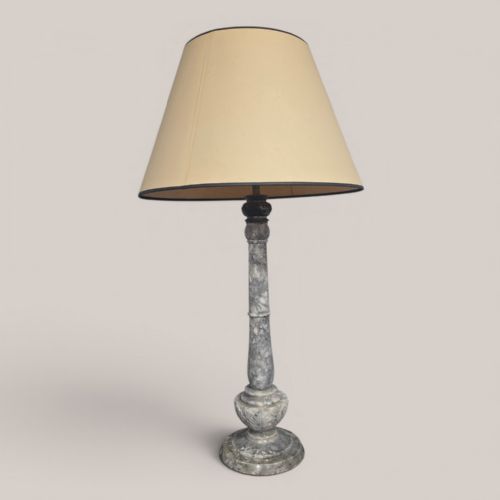
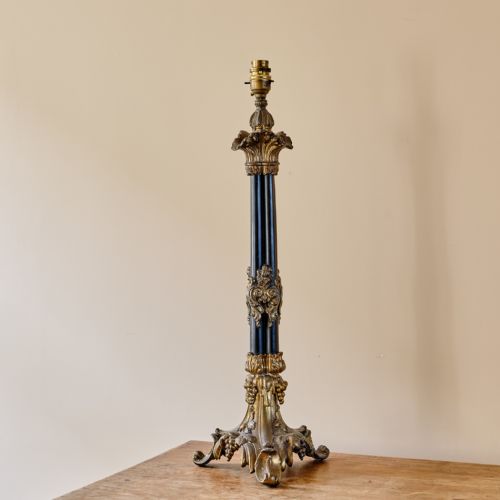
Makers utilised diverse forms, incorporating column designs, console lamps, and figurative or floral arrangements. Such pieces often combine metal mounts with contrasting bases made from porcelain, onyx, or marble.
Materials and construction methods
Metalwork forms the structural foundation of these pieces, utilising cast bronze, gilt bronze, ormolu, brass, and spelter. Artisans frequently mounted these metal components upon bases of onyx, marble, wood, or ceramic materials including porcelain de Paris and porcelain de biscuit.
Surface decoration relies on traditional casting, chasing, and gilding techniques to achieve floral motifs or classical revival ornament. Glass elements, such as opaline or frosted shades, are paired with metal frames to diffuse the light output.
Even Eileen Grey turned her hand to lighting, proving that a serious architect still needs a good bedside glow.
Factors determining quality
The refinement of the casting and the crispness of the chased detail dictate the visual success of the metalwork. Pieces displaying deep relief and careful hand-finishing on gilt bronze or ormolu stand apart from simpler cast metal examples.
The choice of secondary materials influences the overall character, with dense natural stone bases like onyx and marble providing greater weight and presence than standard alternatives. The integration of specialised components, such as painted toleware or fine porcelain bodies, marks more ambitious workshop production.
Eileen Grey
The French Bedside Reading Lamp Glossary
- Ormolu
- Gilt bronze created by applying a finely ground high-carat gold-mercury amalgam to a bronze object. This technique produces a durable, rich golden surface finish seen on nineteenth-century French lighting.
- Spelter
- An alloy of zinc used as a cost-effective alternative to bronze for decorative castings. It is frequently painted or electroplated to imitate richer metals.
- Opaline glass
- A pale, translucent milk glass popular in nineteenth-century French lighting fixtures. It diffuses light softly without harsh glare.
- Toleware
- Painted or lacquered sheet metal items used for decorative domestic objects. It provides a smooth, matte or glossy surface finish.
- Porcelain de biscuit
- Unglazed white porcelain fired to a matte, marble-like texture. It appears frequently on decorative nineteenth-century table lamps.
French Bedside Reading Lamp: Frequently Asked Questions
How do I date a French bedside reading lamp?
Dating relies on identifying the prevailing aesthetic style, such as Art Nouveau curves or Louis XVI classical symmetry, alongside the materials employed. Examining the casting quality and assembly methods helps place a piece within its nineteenth or early twentieth-century period.
Changes in manufacturing techniques from hand-chased bronze to later alloy production also provide clear clues to the decade of origin.
Where should I place these lamps?
These table lamps suit bedroom surfaces where concentrated illumination is required for reading or soft ambient lighting. Their compact footprints fit easily on bedside tables or small cabinetry.
The decorative bases of brass, porcelain, or marble add a strong visual accent to domestic interiors.
What materials are most common?
Metals such as bronze, gilt bronze, brass, and ormolu form the primary structure of these lighting pieces. They are frequently paired with natural stone bases or ceramic bodies.
Additional elements include frosted or opaline glass shades and fabric components designed to soften the light.
How do styles differ across periods?
Nineteenth-century examples often draw on Rococo Revival and Neoclassical motifs with elaborate cast ornament and gilt finishes. Early twentieth-century pieces incorporate cleaner lines influenced by Art Nouveau and Art Deco aesthetics.
Materials also shift over time, moving from heavy gilt bronze mounts toward diverse ceramic and bakelite applications by the 1930s.