


French Bamboo Frame Mirror
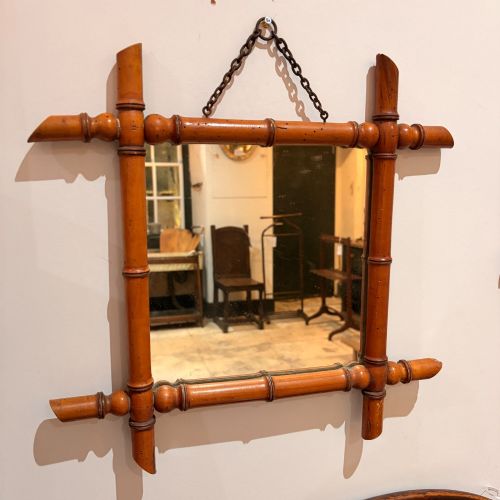
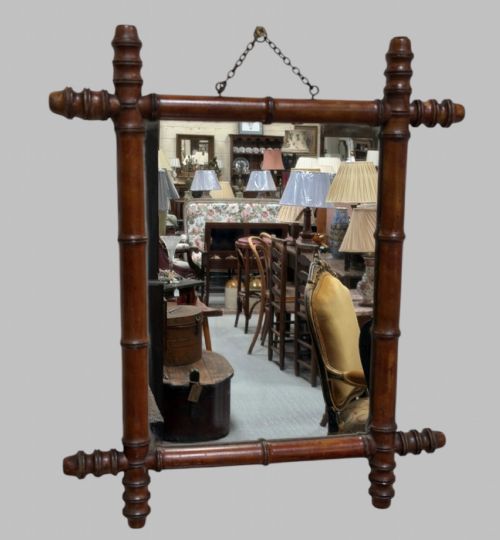
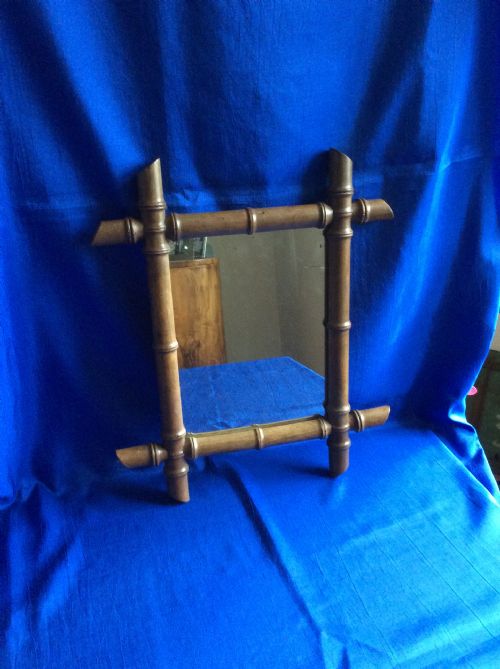
A French bamboo frame mirror brings an earthy, organic texture to a room, offering the charm of nineteenth-century European craftsmanship.
French Bamboo Frame Mirror
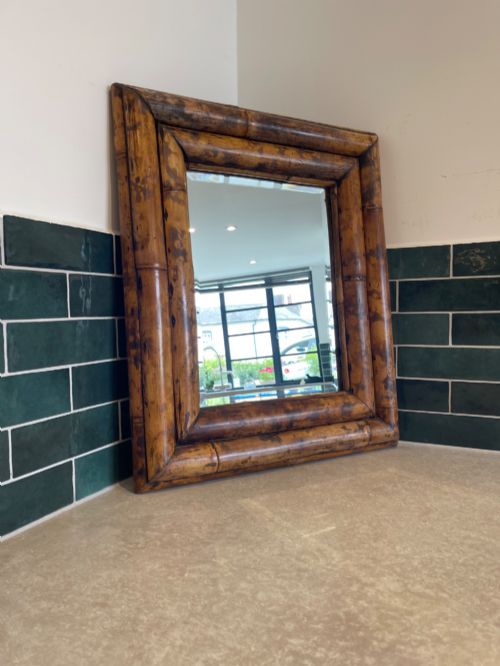
The most common forms on this page are wall mirrors featuring natural or simulated bamboo frames. Originating largely from nineteenth-century France, they bridge rustic organic design with refined interior decoration.
Construction and materials
Makers utilised timber, beech, and actual bamboo to construct these sturdy wall frames. Some examples feature carved wood and gesso finished to simulate the segmented joints of real bamboo.
Mirrors were fitted with heavy glass plates, occasionally retaining their original silvered mirror glass. Metal components sometimes reinforced the structural joins of the timber frames.
Nineteenth-century makers occasionally went to great lengths to carve beechwood into knobbly bamboo stalks just to fool the eye.
Assessing quality and finish
Quality depends heavily on the execution of the faux bamboo moulding and the preservation of the original surface finish. Finely carved wood and gesso versions show meticulous attention to botanical detail compared to simpler timber constructions.
The clarity and weight of the glass plate also distinguish superior examples from standard ones. Substantial scale and robust structural integrity separate impressive wall mirrors from ordinary decorative pieces.
The French Bamboo Frame Mirror Glossary
- Faux bamboo
- Simulated bamboo carved from timber, beech, or gesso to imitate natural cane stalks. This technique became popular during the nineteenth century for decorative furniture and frames.
- Aesthetic Movement
- A late nineteenth-century design style emphasising visual beauty over narrative content. Pieces from this period often incorporate exotic motifs like bamboo.
- Silvered mirror glass
- Glass coated with a reflective metal backing. Older examples exhibit characteristic ageing and oxidation across the surface.
- French Provincial
- A rustic yet elegant regional style originating in France. It informs the domestic charm of many period wall mirrors.
French Bamboo Frame Mirror: Frequently Asked Questions
How do I hang a heavy bamboo mirror safely?
Heavy wall mirrors require secure fixings into structural wall studs or appropriate masonry anchors to support their substantial weight safely.
Distributing the load evenly across the frame prevents stress on the antique timber joints.
Are these frames made of real bamboo?
Many examples utilise genuine bamboo stems selected for their natural joints and lightweight strength. Other pieces feature carved wood and gesso shaped to imitate bamboo.
Both real and simulated versions were produced concurrently during the nineteenth and early twentieth centuries.
How do I clean an antique mirror glass?
Use a soft cloth and a gentle, ammonia-free glass cleaner applied to the cloth rather than directly onto the glass. This prevents moisture from seeping behind the plate.
Avoid harsh scrubbing on older silvered surfaces to preserve the original reflective backing.
Which period do these mirrors belong to?
The pieces span the Victorian era, the nineteenth century, and into the early twentieth century including the Art Deco period. Stylistic markers help determine whether a piece leans toward Victorian Aesthetic or French Provincial design.
Dates are typically attributed based on construction methods and materials.