






French Armoire Display
These french armoire display pieces bring classical continental presence to a room, offering grand storage alongside glass-fronted visibility for collections.
French Armoire Display
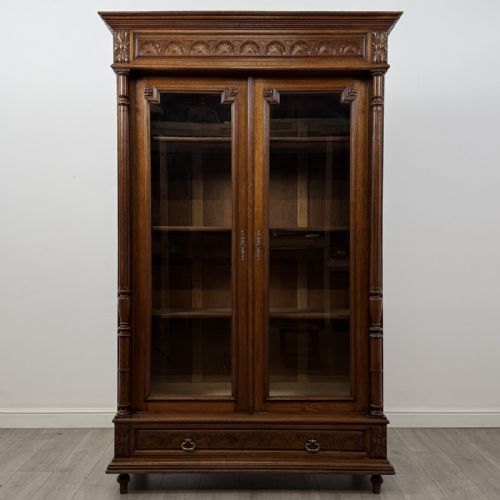
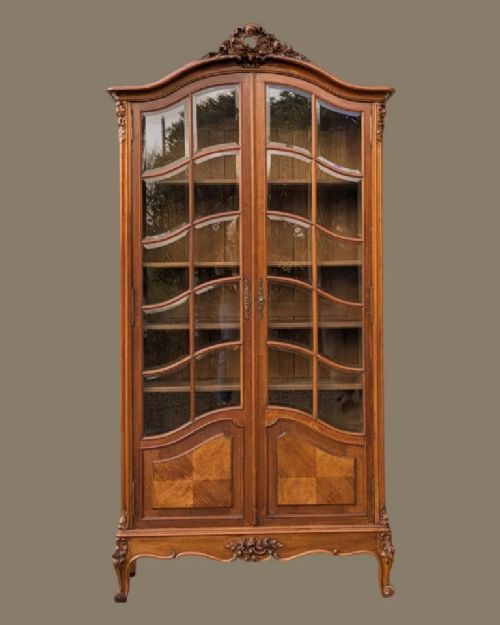
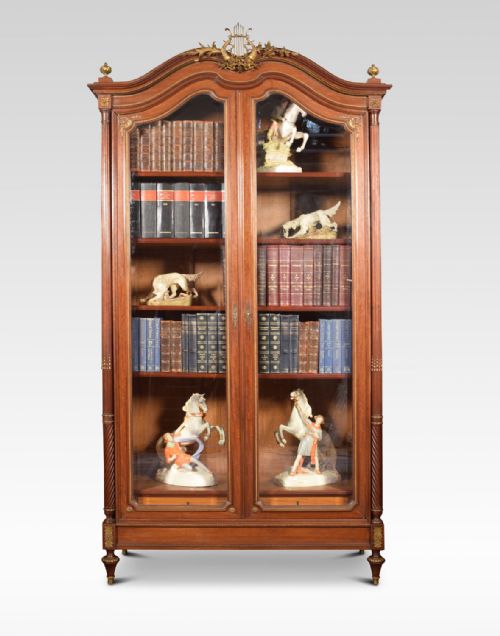
When you search for french armoire display, you encounter a robust selection of large storage and display furniture originating from France and continental Europe. These pieces combine the function of an armoire or wardrobe with the visual openness of a vitrine or bookcase, housing books and objects behind glass.
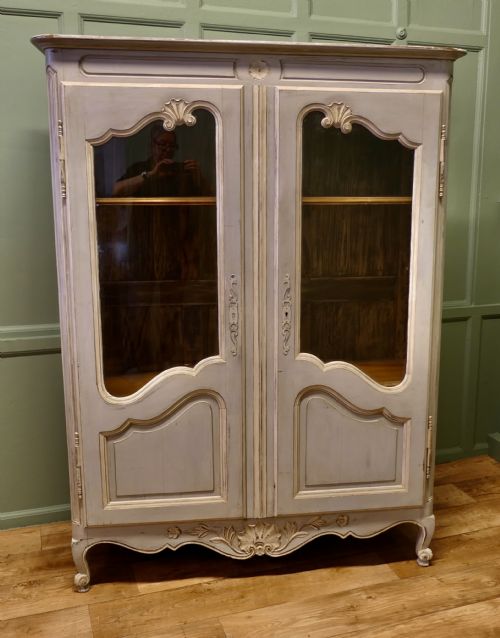
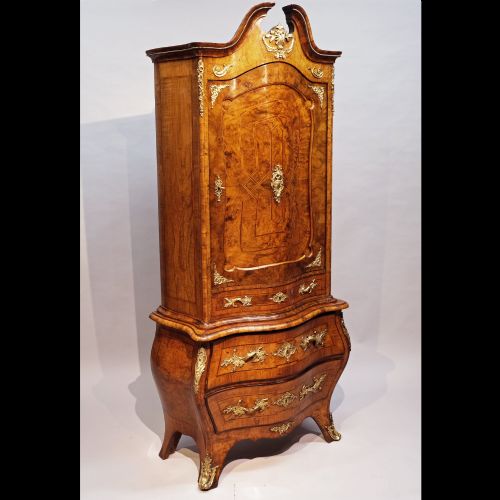
The selections span multiple centuries and stylistic revivals, ranging from eighteenth-century oak constructions to nineteenth-century walnut, mahogany, and rosewood iterations. You will frequently find pieces influenced by Louis XV and French Empire designs, alongside painted finishes and provincial executions.
Materials and Construction
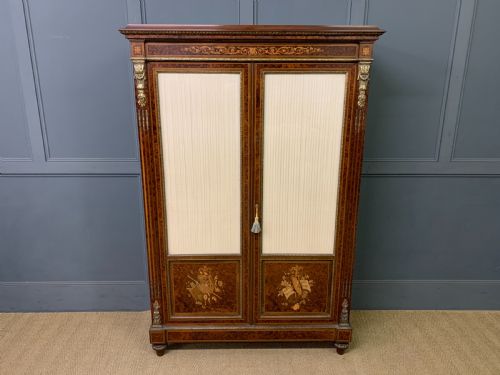
Cabinet makers utilised heavy hardwoods including oak, walnut, mahogany, and exotic veneers such as rosewood, amboyna, and kingwood. These timbers formed the structural carcass and decorative exterior surfaces, often featuring intricate marquetry and inlay work.
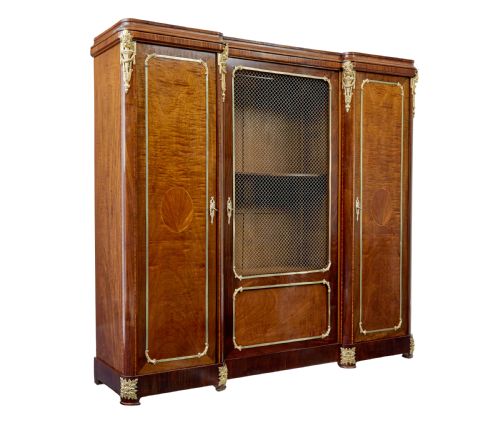
Metal mounts in brass, gilt brass, and ormolu enhance the structural corners, key escutcheons, and framing elements. Glass panels fitted into wooden, mesh, or painted doors allow interior visibility while protecting the contents.
French Armoire Display Retail Price Guide 2026
Typical asking prices for french armoire display among the pieces listed under this phrase on Sellingantiques today, from the lower quarter to the upper quarter. They describe what is for sale here now, not the wider market.
Several cabinets feature mesh doors, originally intended to let stale library air circulate around old books.
Quality and Execution
The distinction between standard and superior pieces rests on the choice of timber and the precision of the joinery. Fine examples employ figured veneers and solid hardwoods with meticulous hand-cut dovetails and stable door frames.
Decorative hardware execution also dictates standard; cast ormolu and chased brass mounts demonstrate superior metalwork compared to simpler stamped fittings. Surface treatments, from polished french polish to layered painted finishes, reflect the original maker's investment of time.
The French Armoire Display Glossary
- Vitrine
- A glass-fronted cabinet designed for displaying fine objects or porcelain. These enclosures protect delicate items from dust while keeping them fully visible.
- Ormolu
- Gilt bronze mounts applied to furniture for decorative effect. This technique involves coating cast bronze with a finely ground gold-mercury amalgam.
- Marquetry
- Decorative patterns formed by inserting thin pieces of wood, veneer, or shell into a wood veneer base. It creates pictorial or geometric designs across large cabinet surfaces.
- Commode
- A low chest of drawers or a cabinet with drawers, often standing on short legs. Eighteenth-century examples sometimes paired with upper display sections.
French Armoire Display: Frequently Asked Questions
What is a french armoire display?
These items are large storage cabinets featuring glass doors or open shelving designed to showcase books and collections. They bridge the gap between closed wardrobes and open display shelving.
Originating primarily in eighteenth and nineteenth-century France, they incorporate regional styles from provincial oak to ornate empire mahogany.
How were these cabinets used historically?
Wealthy households utilised them in libraries, salons, and formal dining rooms to store and display prized volumes, porcelain, and curiosities. The enclosed glass kept dust away from delicate items while allowing guests to view them.
Larger library bookcases served to house extensive personal book collections before built-in shelving became common in domestic architecture.
How do I live with a large cabinet?
Positioning requires measuring ceiling height and floor clearance carefully, as nineteenth-century proportions are often substantial. Ensure the piece sits on a level surface so the large doors hang square and close smoothly.
Interior lighting can be added discreetly to highlight displayed objects without generating excessive heat near antique wood.
How do I tell periods apart?
Eighteenth-century examples often display simpler structural oak frames and provincial joinery. Nineteenth-century revivals lean heavily into Louis XV curves or Empire classical symmetry with rich mahogany and ormolu mounts.
Stylistic markers such as painted shabby finishes or heavy brass mounts point toward specific revival decades like the eighteen-eighties or nineties.