


French Stand
A french antique stand brings continental utility and decorative grace into a room through diverse forms ranging from plant columns to hall furniture.
French Stand
When you search for a french antique stand, you encounter a remarkably broad category of domestic furnishings designed to hold, display, or support various objects. The evidence reveals everything from plant columns and jardiniere holders to umbrella stands, music cabinets, and display pedestals originating from continental workshops.
The versions you are most likely to meet on this page span the nineteenth and early twentieth centuries, drawing upon Victorian, Edwardian, and Regency tastes as well as Art Nouveau and Art Deco movements. These pieces served practical functions in period homes, functioning as hallway furniture for wet umbrellas or elevated stages for decorative porcelain and botanical specimens.
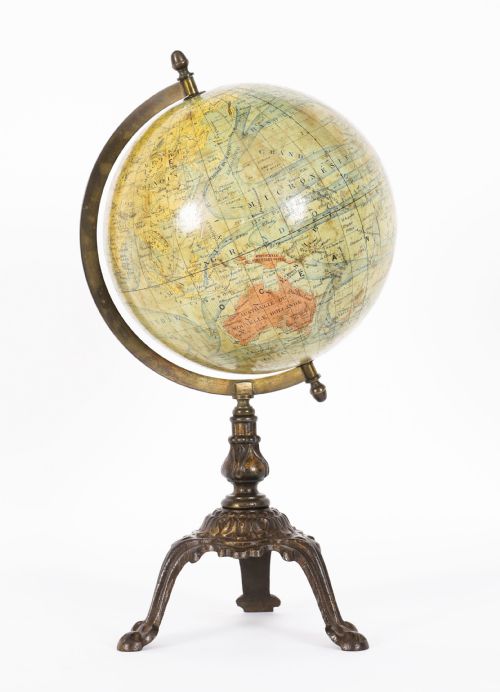
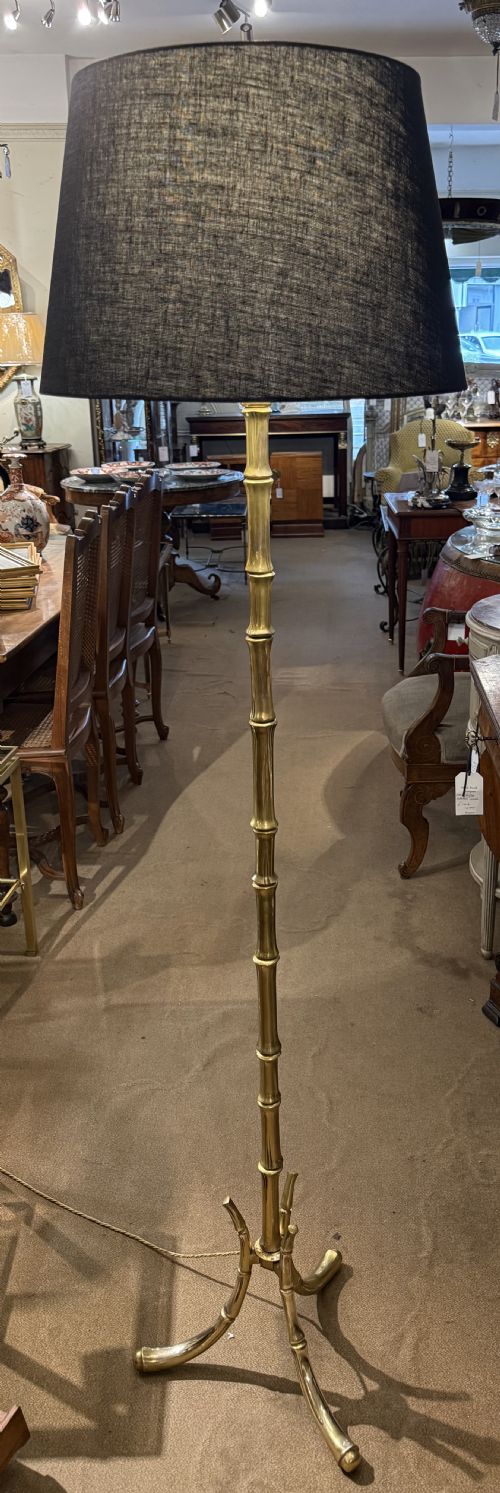
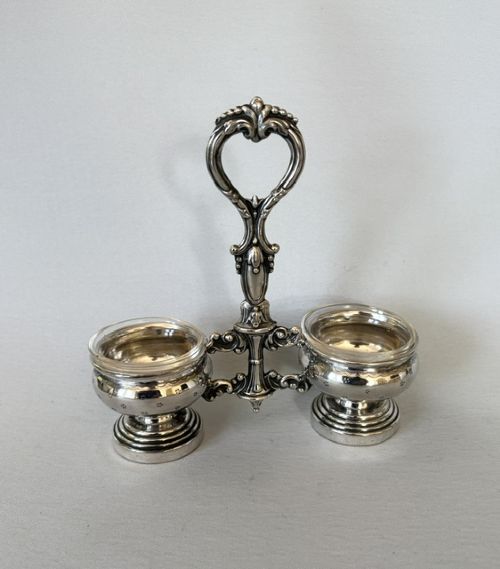
Form follows utility across these listings, meaning you will find vertical display columns alongside surface tables and specialised caddies. Whether constructed as a marble-topped plant pedestal or a cast iron hall stand, each item reflects the specific interior requirements of French domestic life across successive eras.
Materials and construction
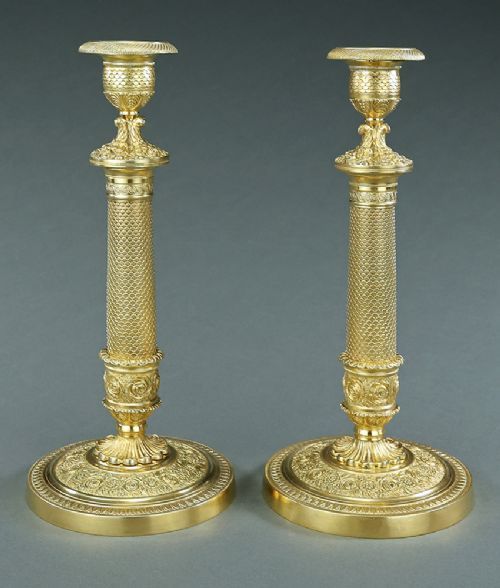
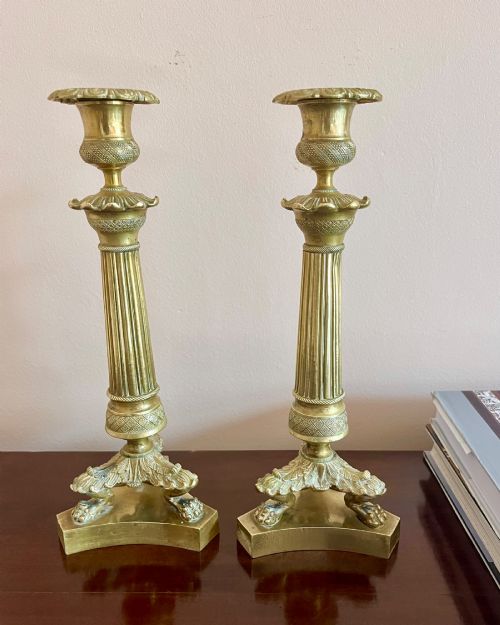
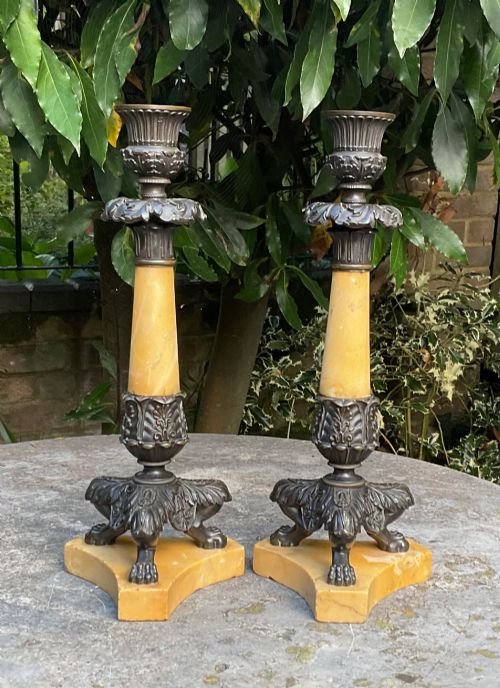
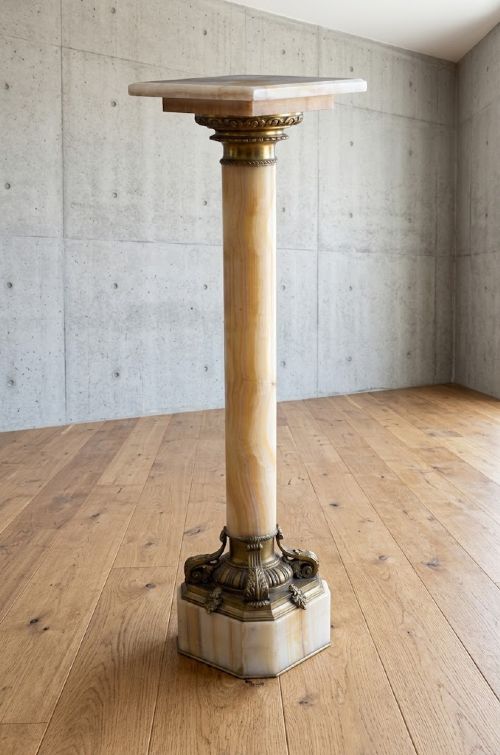
Makers utilised a combination of sturdy structural timbers and decorative metals to build these pieces, frequently pairing mahogany, walnut, oak, and fruitwood with brass, ormolu, and cast iron. Marble tops and onyx columns provide weight and a smooth display surface, while champleve enamel and gilt bronze add intricate surface detail.
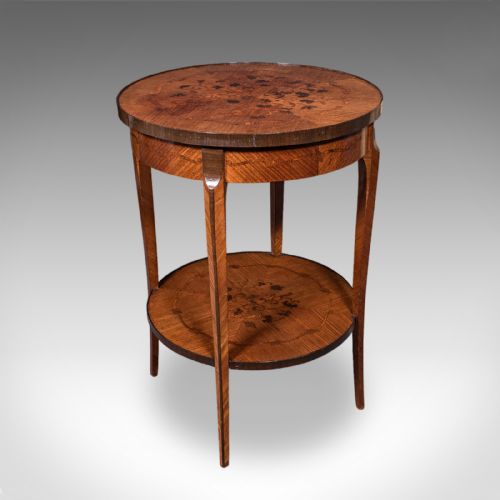
Joinery and metalworking techniques varied according to the specific function of the item, with heavy cast iron utilised for umbrella stands and fine marquetry or parquetry applied to display tables. Artisans employed carving, gilding, and brass mounting to elevate utilitarian objects into decorative centerpieces for the interior.
Listings feature materials spanning cast iron, brass, mahogany, walnut, and marble across multiple centuries.
Evaluating the standard of execution
The distinction between ordinary and exceptional examples rests upon the ambition of the design and the precision of the materials used. Pieces featuring robust marble surfaces, heavy ormolu mounts, and hand-chased bronze elements demonstrate a higher tier of craftsmanship than simpler cast iron or plain timber versions.
Surface finish and decorative integrity also separate the range, as demonstrated by the crispness of carved woodwork, the preservation of original gilding, and the integration of specialised elements like champleve enamel or inlaid tiles.
Maison Bagues·Gabriel Viardot·Barbedienne·Théodore Deck·Sudre·Lebegue and Cie
The French Stand Glossary
- Ormolu
- Gilt bronze mounted onto furniture or decorative objects. This technique involves applying a finely ground high-carat gold mercury amalgam to bronze.
- Champleve
- An enamelling technique where troughs or cells are carved into the surface of a metal object and filled with vitreous enamel before firing.
- Jardiniere
- A decorative container or stand designed to hold plants or flowers. These items often feature waterproof liners or marble inserts to protect the supporting structure.
- Étagère
- A piece of furniture consisting of a set of open shelves for displaying small objects. They appear in multi-tiered side table formats.
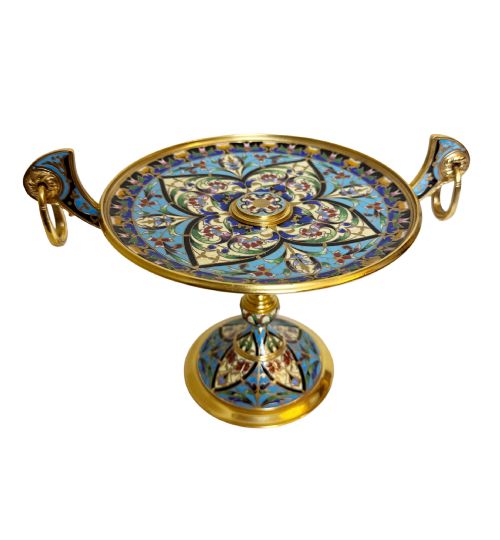
- Tazza
- A wide, shallow saucer-like dish supported on a stem and foot. They function primarily as decorative display pieces on tables or pedestals.
French Stand: Frequently Asked Questions
What is a french antique stand used for?
These items served varied domestic purposes in historic interiors, functioning as designated places for umbrellas, plants, sheet music, or decorative objects. Their specific uses depended entirely on their form, ranging from hallway storage to parlor display.
Tall columns and pedestals elevated sculpture and urns, while specialised trays and caddies managed walking sticks, fireplace tools, or serving dishes. Each piece brought order and display capability to specific rooms in the house.
How do I identify the period of a stand?
Dating relies on observing the combination of materials, decorative motifs, and manufacturing techniques present in the construction. Pieces displaying heavy cast iron and utilitarian forms often align with later nineteenth-century hallway requirements, while refined marquetry points towards earlier cabinetmaking traditions.
Stylistic indicators such as Art Nouveau plant motifs or Regency bronze mounts provide clear chronological anchors. Comparing the structural framing and secondary timbers helps confirm the era of production.
Where should I place a plant stand?
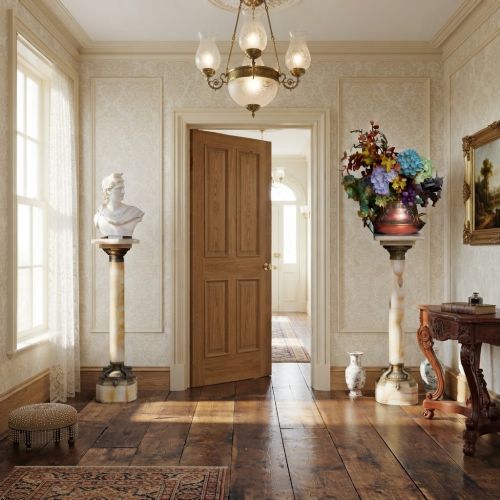
Plant stands and jardiniere columns suit spaces with adequate natural light where botanical displays can be viewed clearly. Placing them near windows or in corners allows the architectural form of the onyx or marble column to complement the greenery.
Because many period pieces feature sensitive wooden or gilded surfaces, protecting the top from direct moisture is essential. Using a suitable liner ensures the antique material remains undamaged while in active use.
Are hall stands suitable for modern hallways?
Hall stands integrate well into contemporary entryways by offering vertical storage for coats, umbrellas, and accessories without occupying excessive floor space. Their combination of mirrors, hooks, and trays provides practical organisation for daily comings and goings.
The robust construction of iron and hardwood variants ensures they handle daily use effectively. They serve as functional anchor points that introduce historical character directly into the entrance of a home.