

French Fixture
Every french antique fixture brings decorative weight and brilliant illumination into a room, combining classic metalwork with sparkling crystal drops.
French Fixture
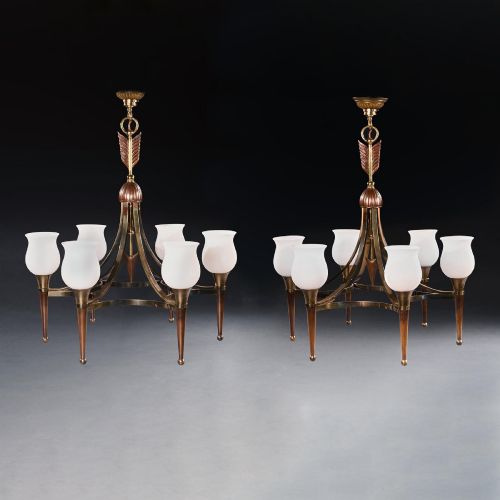
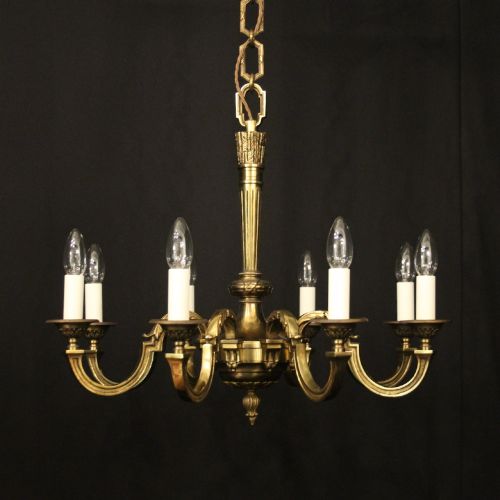
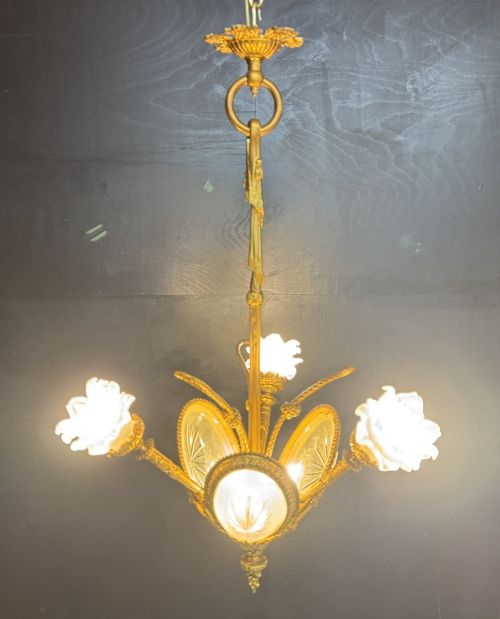
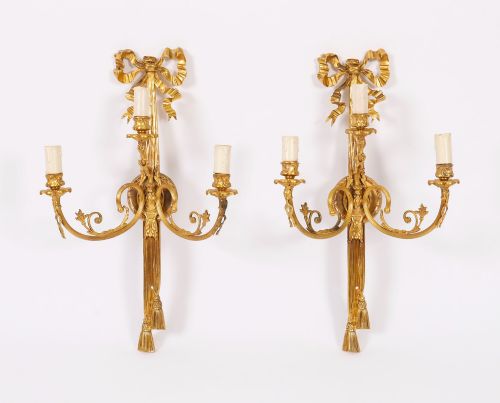
A french antique fixture encompasses everything from grand multi-armed chandeliers and delicate wall sconces to ceiling lights and lanterns. These pieces originate from periods spanning the nineteenth century through the Art Deco era.
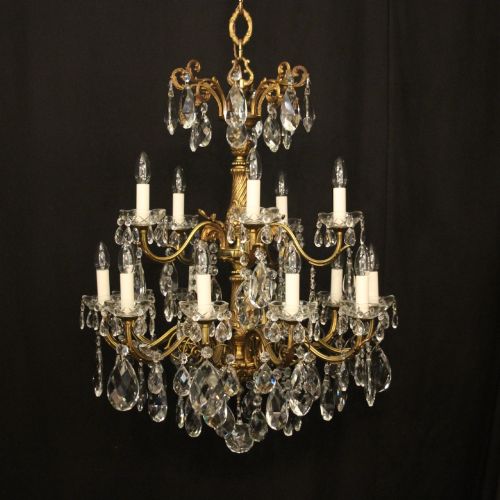
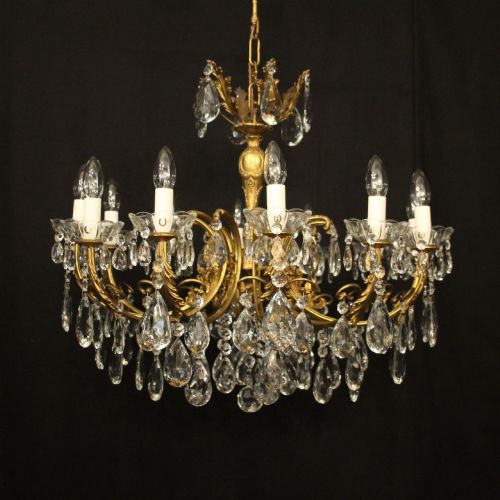
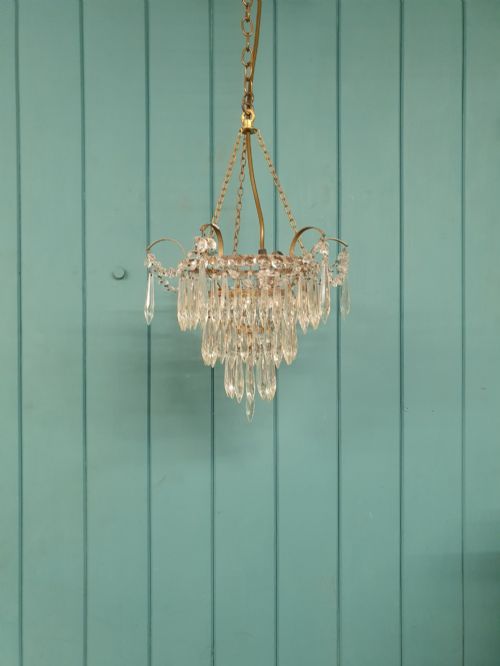
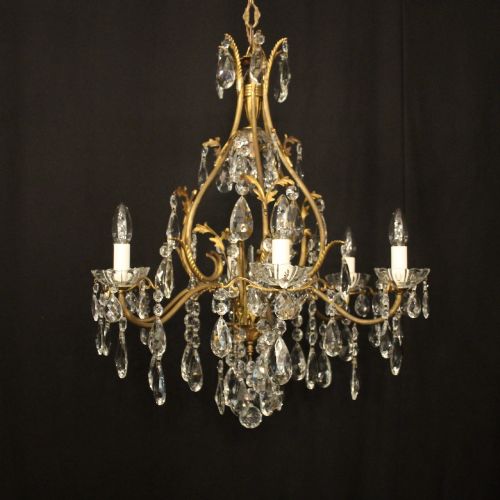
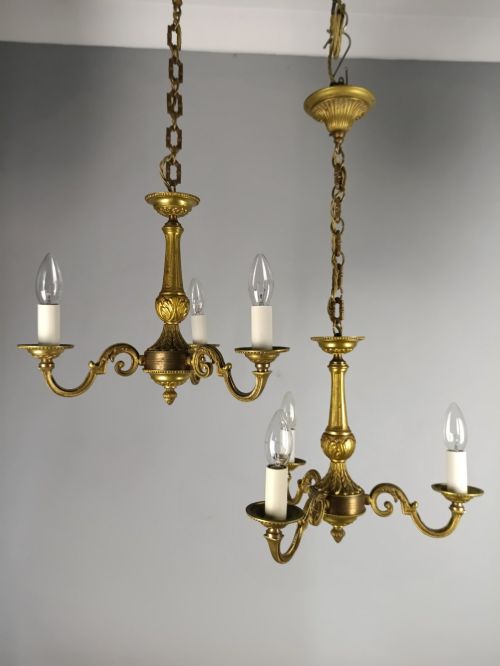
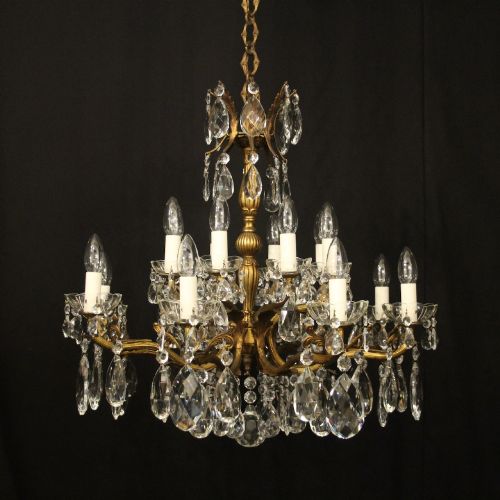
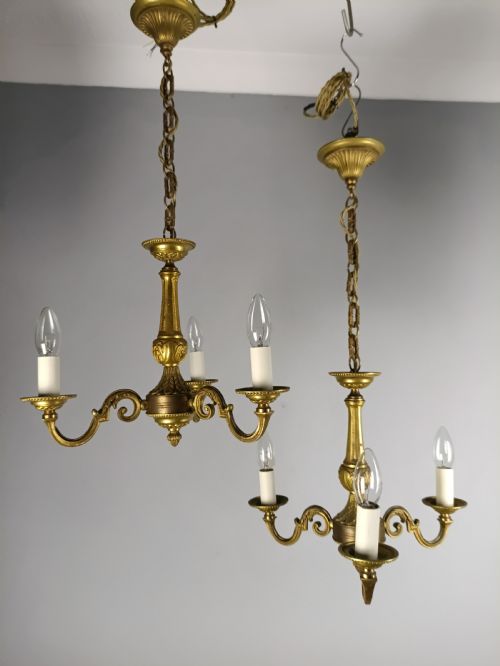
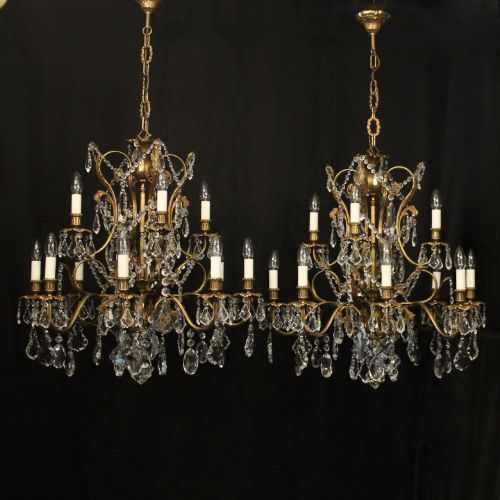
The most common examples encountered on this page are multi-light chandeliers and paired wall lights utilising brass, gilt bronze, and cut crystal. Forms range from simple birdcage designs to elaborate tent and waterfall configurations.
Materials and Construction
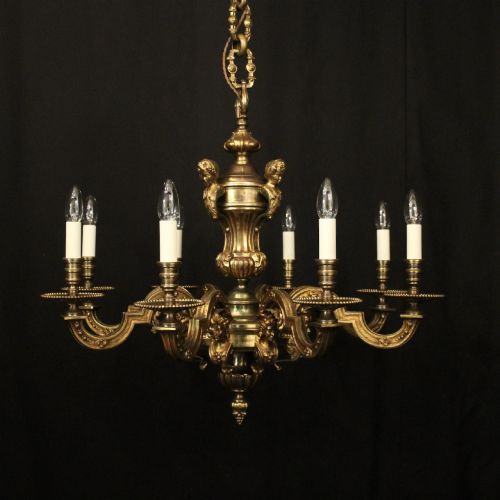
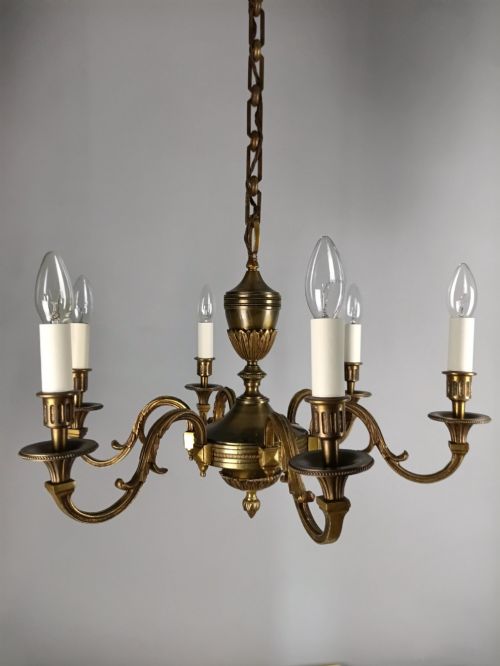
Construction relies heavily on cast metals such as brass, gilt bronze, ormolu, and gilt metal, shaped into arms, frames, and decorative mounts. These structural elements provide the heavy foundation necessary to support cascading glass components.
Cut glass and crystal elements hang from the frames in drops, spikes, and beads, catching and refracting light. Metal gilding and silver plating finish the surfaces, while carved giltwood or spelter occasionally appears in specific decorative accents.
French Fixture Retail Price Guide 2026
Typical asking prices for french fixture among the pieces listed under this phrase on Sellingantiques today, from the lower quarter to the upper quarter. They describe what is for sale here now, not the wider market.
Periods represented span the nineteenth century, the Edwardian era, and the early decades of the twentieth century.
Assessing the Standard
Quality depends on the crispness of the metal casting and the depth of the gilding on bronze or brass frames. Superior examples display sharply rendered ornamentation rather than soft or smoothed details.
The density and clarity of the cut glass or crystal drops dictate the brilliance of the illumination. Hand-cut facets and generous proportions separate high-end creations from simpler commercial alternatives.
Charles Schneider·Degué
The French Fixture Glossary
- Ormolu
- Gilt bronze created by applying a finely ground high-carat gold-mercury amalgam to cast bronze. This technique yields a warm, durable golden finish found on fine period metalwork.
- Plafonnier
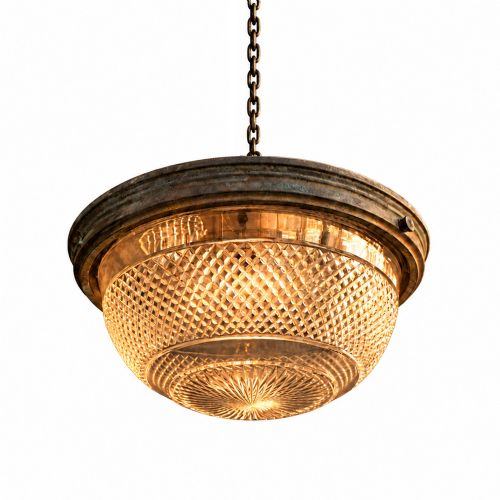
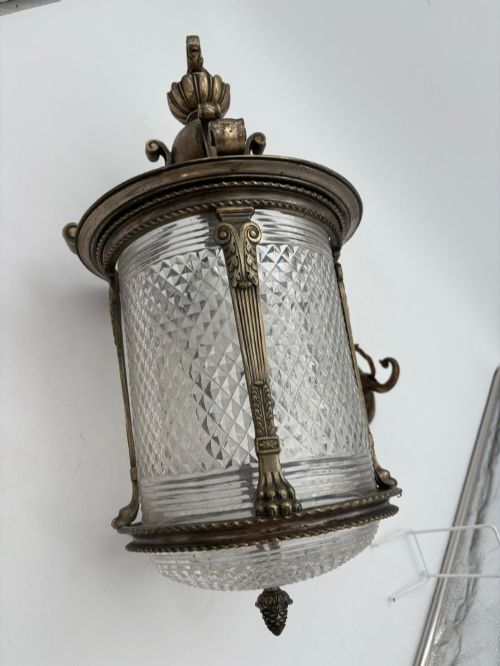
- A ceiling-mounted bowl light or flush fixture common in the Art Deco period. These fixtures diffuse light directly downward through patterned or frosted glass.
- Spelter
- An alloy of zinc and lead used as a cheaper substitute for bronze. It was cast into decorative figures and mounts before being painted or gilded.
- Waterfall
- A dense arrangement of glass drops cascading downward from a central ring. This configuration maximises the refractive surface area of the chandelier.
- Birdcage
- A frame construction shaped like an avian enclosure, featuring vertical metal ribs wrapped in strings of crystal beads. It forms a traditional silhouette for French lighting.
French Fixture: Frequently Asked Questions
How do I choose the right size?
Selecting the correct scale depends on the proportions of the room and the height of the ceiling. Large multi-tier chandeliers require substantial space and vertical clearance to hang properly.
Smaller rooms or hallways benefit from compact wall lights, flush-mounted ceiling fixtures, or petite pendant chandeliers that do not overwhelm the space.
Are these wired for modern electricity?
Period lighting is typically adapted for modern electrical standards during restoration. Fixtures originally designed for candles or gas are rewired to accept standard contemporary bulbs.
Buyers should consult a qualified electrician to ensure safe installation and compatibility with modern household wiring circuits.
How do I date a fixture?
Dating relies on stylistic markers, construction methods, and materials associated with specific periods like the Edwardian era, Art Deco, or nineteenth-century French designs. Details such as cast bronze mounts and cut crystal configurations indicate the era of manufacture.
Makers' signatures etched into glass shades or stamped metal components provide definitive chronological evidence.