

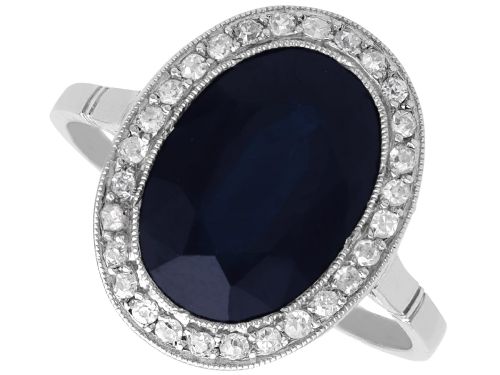
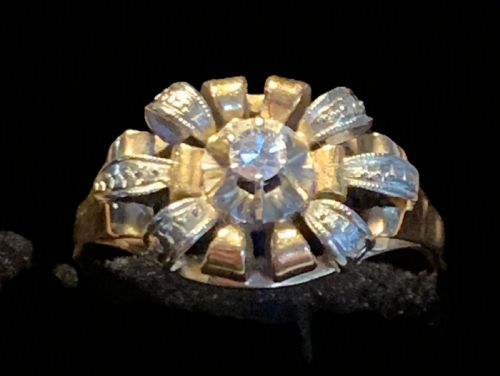


French 1920s Ring
These french 1920s ring selections capture the bold geometry and fine platinum work of the Art Deco period.
French 1920s Ring
A french 1920s ring embodies the distinctive Art Deco style that dominated European design during the interwar years. These jewels range from classic cluster configurations to bold dress rings and substantial engagement pieces.
The objects listed here include platinum and 18ct gold settings, showcasing centre stones flanked by geometric arrangements of smaller gems. Most examples date from around 1920 to 1930, reflecting the height of French modernist jewellery design.
Buyers will encounter both delicate diamond solitaires and colourful multi-stone arrangements featuring sapphires, rubies, and aquamarines. The forms vary from traditional engagement rings to heavier tank style bands and sculptural motifs.
Materials and Construction
Makers utilised durable platinum alongside 18ct yellow and white gold to form the structural foundations of these pieces. Platinum allowed workshops to construct delicate knife-edge settings and intricate pierced galleries that held diamonds securely without heavy metal bulk.
Gems were selected for their crisp contrast, pairing brilliant diamonds with rich blue sapphires, red rubies, and deep black onyx accents. Pave setting techniques placed small stones close together to create continuous fields of sparkle across the metal surface.
French 1920s Ring Retail Price Guide 2026
Typical asking prices for french 1920s ring among the pieces listed under this phrase on Sellingantiques today, from the lower quarter to the upper quarter. They describe what is for sale here now, not the wider market.
Colinette danced into the metalwork alongside diamonds.
Assessing Quality and Execution
Quality in a french 1920s ring rests upon the precision of the metalwork and the uniformity of the stone selection. Superior examples display perfectly matched calibre-cut gems that fit flush into their channels without visible gaps in the metal.
The hand-finished details of the gallery and shank distinguish finer workshop production from standard commercial output. Crisp millegrain borders and balanced proportions indicate an elevated level of jeweller craftsmanship.
The French 1920s Ring Glossary
- Art Deco
- A design style characterised by sleek geometric shapes, stylised symmetry, and modern industrial influences. It flourished internationally throughout the 1920s and 1930s.
- Millegrain
- A decorative border of tiny raised metal beads running along the edges of a setting. This technique softens the transition between metal and stone while adding texture.
- Cluster ring
- A ring design featuring a prominent central stone surrounded by a tight grouping of smaller gems. This arrangement maximises visual impact and perceived scale.
- Tank ring
- A robust jewellery style developed during the 1930s, taking visual cues from military hardware. These pieces feature voluminous stepped gold and platinum forms with pave-set diamonds.
French 1920s Ring: Frequently Asked Questions
What defines an authentic French 1920s ring?
Authentic pieces from this era display characteristic Art Deco geometry executed in platinum or 18ct gold. They frequently incorporate millegrain detailing and hand-cut diamonds alongside natural sapphires or rubies.
French pieces often bear small control marks or maker stamps on the exterior of the shank or the inner band. These tiny hallmarks help verify the national origin and metal purity of the item.
How do I care for a vintage platinum ring?
Platinum is a durable metal that develops a soft patina over time rather than wearing away. Regular cleaning in warm soapy water with a soft brush keeps the diamond facets and gemstone tables bright.
Avoid wearing delicate gemstone rings during heavy manual labour to protect the prongs and softer accent stones like aquamarine or onyx from impact.
Are these rings suitable for daily wear?
Most platinum and gold cocktail or engagement rings from this period were built to last, though older settings require periodic inspection by a jeweller. Ensuring the claws remain tight safeguards the central diamonds and coloured stones.
Pieces with intricate pierced metalwork or flush-set calibre stones benefit from gentle handling to preserve the integrity of the vintage gallery.
What is the difference between platinum and white gold pieces?
Platinum offers a naturally bright, dense white metal foundation that holds fine millegrain edges exceptionally well. White gold provides a similar aesthetic with a slightly different weight and alloy composition.
Both materials were utilised extensively by French workshops during the 1920s and 1930s to frame colourless diamonds and vibrant sapphire accents.