





Framed Studio Artwork
Framed studio artwork brings historical portraiture and interior scenes into a room, offering a direct link to past workshops and master painters.
Framed Studio Artwork
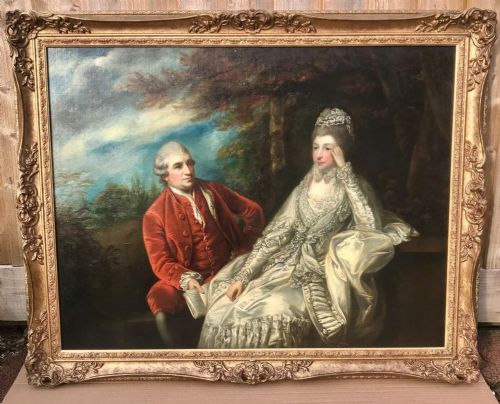
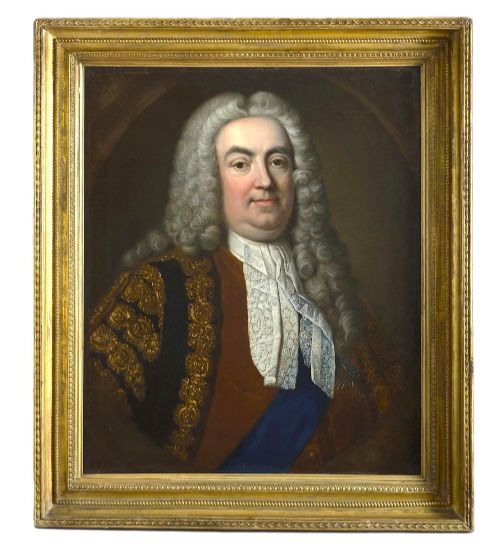
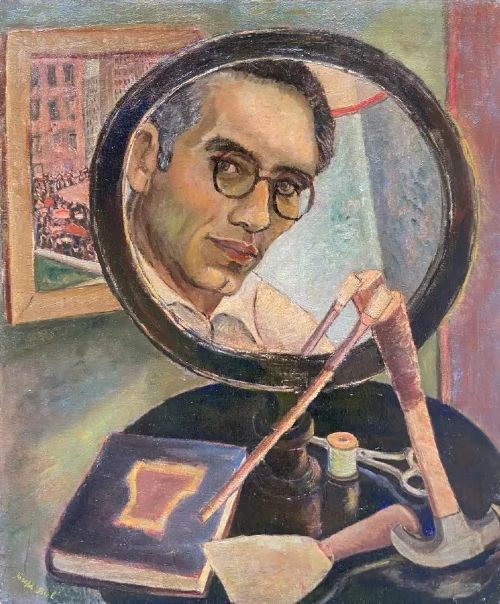
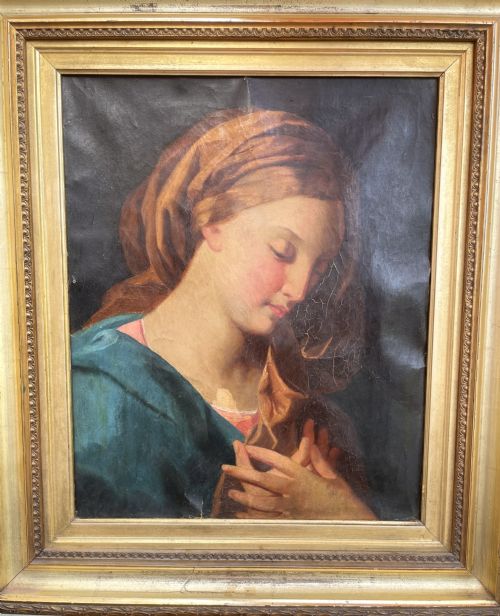
When you search for framed studio artwork, you encounter historical oil paintings and oil studies produced within the circles and studios of prominent artists. These works span multiple centuries, from seventeenth-century portraits to mid-twentieth-century scenes.
The selections include canvas paintings, oil on paper studies, and framed photography. Portraiture dominates the offerings, capturing subjects ranging from nobility and politicians to artists and children.
Pieces frequently connect to notable historic workshops, including those associated with Sir Godfrey Kneller, Joshua Reynolds, and Sir Peter Lely. Alongside formal portraits, you find genre scenes, landscapes, and interior views from later periods.
Materials and construction
These works rely primarily on oil paint applied to canvas or paper supports. Artisans mounted these pieces within wooden frames, frequently utilising giltwood or gilt wood finishes.
Historical canvases display traditional preparation methods typical of seventeenth and eighteenth-century European painting traditions. Later twentieth-century pieces incorporate photographic prints and charcoal on paper within their frames.
Listings feature oil paintings spanning from the seventeenth century through to post-war British realism.
Distinctions in quality
Quality rests upon the execution of the brushwork and the closeness of the connection to the named studio or master. Pieces originating directly from a recognised circle display superior anatomical rendering and pigment handling.
The integrity of the physical components, including the preservation of the original canvas and the craftsmanship of the giltwood frame, defines the standing of an individual piece.
Sir Godfrey Kneller·Joshua Reynolds·Jean Baptiste Van Loo·David Teniers II·Mary Beale·Pompeo Batoni·Sir Peter Lely·Philip Mercier
The Framed Studio Artwork Glossary
- Studio of
- A term indicating a work produced in the workshop of a master, often under their supervision or following their methods. It reflects the collaborative nature of historical art production.
- Circle of
- A designation used when a painting shows the distinct style and influence of a major artist without direct attribution to their immediate workshop. These pieces share technical characteristics with the named master.
- Giltwood
- Wood carved and treated with a thin layer of gold leaf or gilt. It appears frequently on the frames housing historical oil paintings.
- Genre painting
- Artwork depicting scenes from everyday life, ordinary people, and domestic interiors. These works contrast with formal portraiture and historical subjects.
- Oil on canvas
- Pigment mixed with a drying oil, typically linseed, applied to a stretched woven fabric support. This medium forms the foundation of most historical paintings in this category.
Framed Studio Artwork: Frequently Asked Questions
What does studio of mean on a painting?
A painting attributed to the studio of a master indicates it came from the workshop of that artist. Assistants or the master themselves painted these works within that collaborative environment.
Such pieces reflect the working methods and style of the primary artist, serving as important records of historical painting practices.
How do I date an old oil painting?
Dating relies on stylistic evidence, costume details in portraits, and the physical characteristics of the canvas and stretchers. Historical records and signatures further assist in establishing a timeframe.
Examining the framing materials alongside the paint layers provides additional context for the period of creation.
Where should I hang a framed oil painting?
Hang these works away from direct sunlight and excessive moisture to protect the oil paint and canvas. Stable indoor temperatures prevent warping in both the canvas and the wooden frame.
Ensure the wall supports the weight of the piece, particularly for larger canvases housed in heavy giltwood frames.
What is the difference between oil on canvas and oil on paper?
Oil on canvas involves pigment applied to a stretched woven textile, which offers durability and a textured surface for layering paint. This was the standard format for major studio portraits.
Oil on paper typically represents a preliminary study or sketch. Artists used paper for rapid composition work before executing a final canvas.