


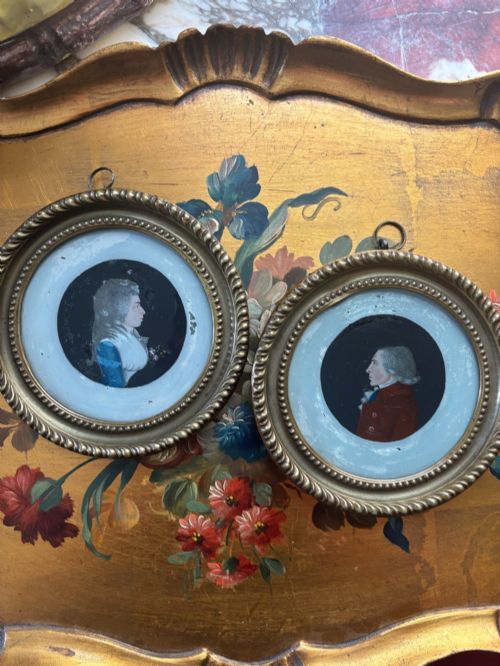
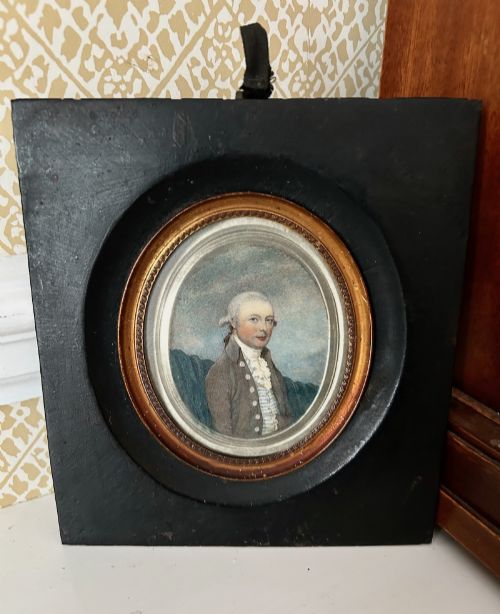
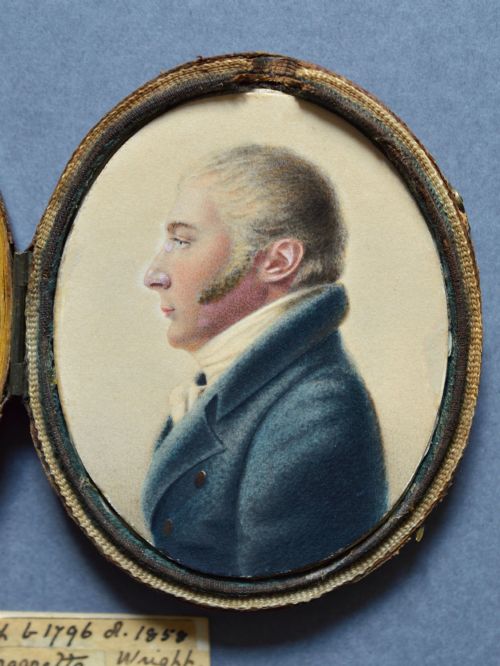
Framed Profile Art
Framed profile art captures the human likeness through silhouettes, intaglios and miniatures, offering a direct window into past lives.
Framed Profile Art
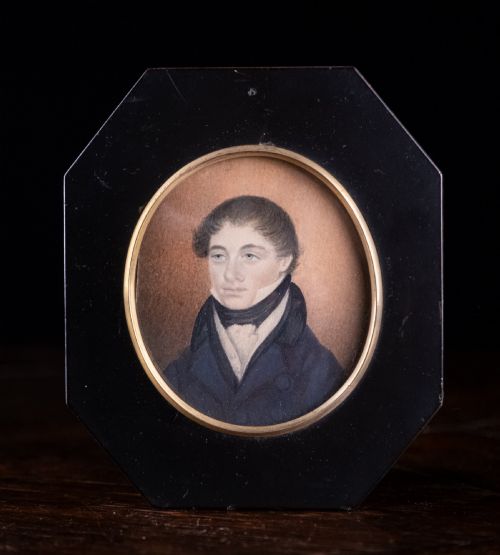
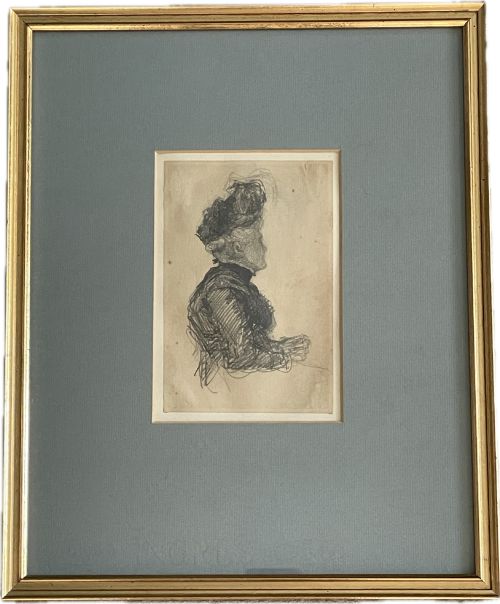
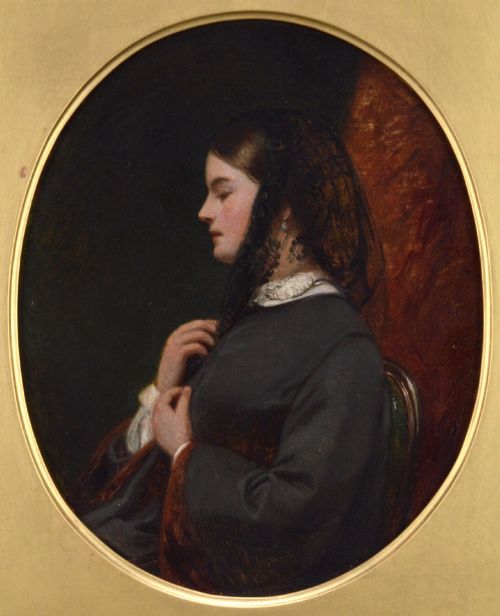
Framed profile art encompasses silhouette portraits, intaglios, and miniature paintings produced across the eighteenth and nineteenth centuries.
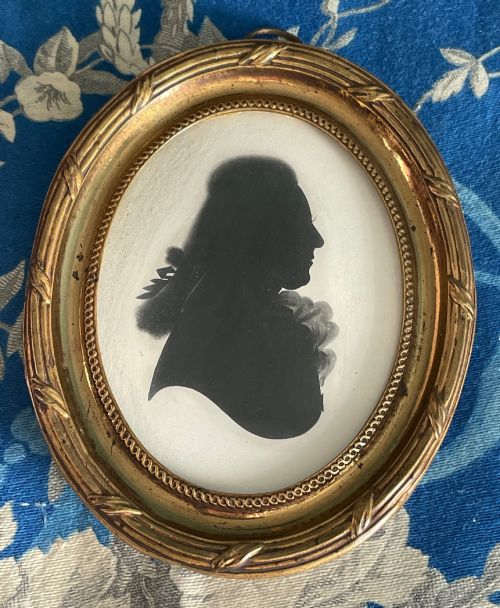
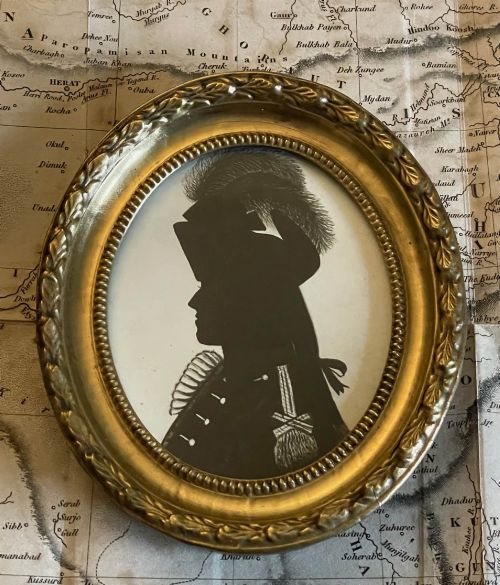
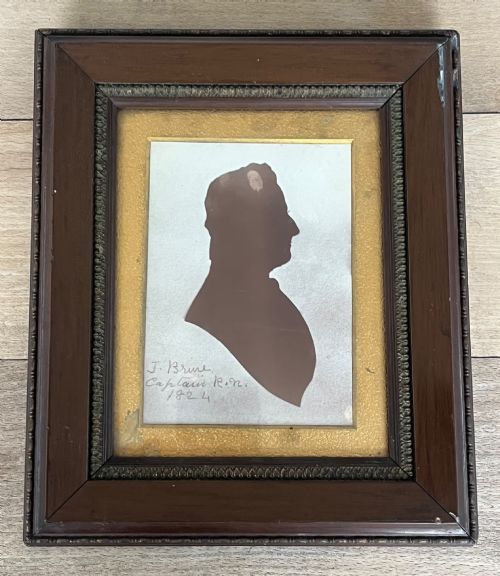
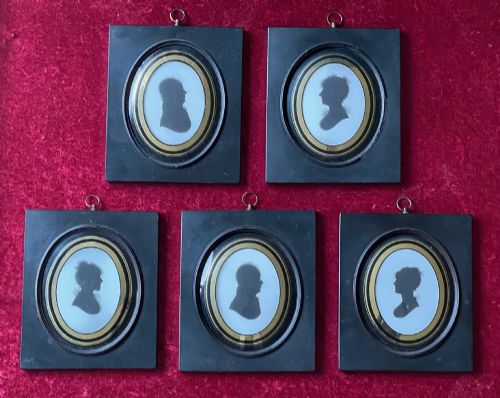
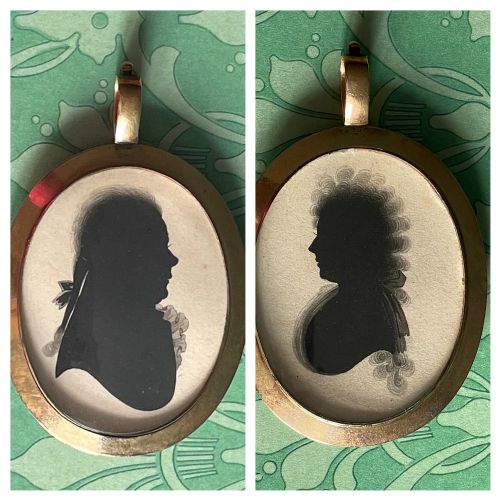
Silhouettes dominate the selection, appearing as hand-cut paper, hollow-cut designs, or detailed works painted directly on glass.
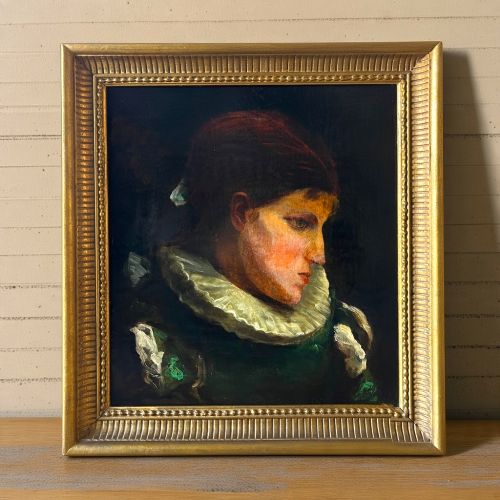
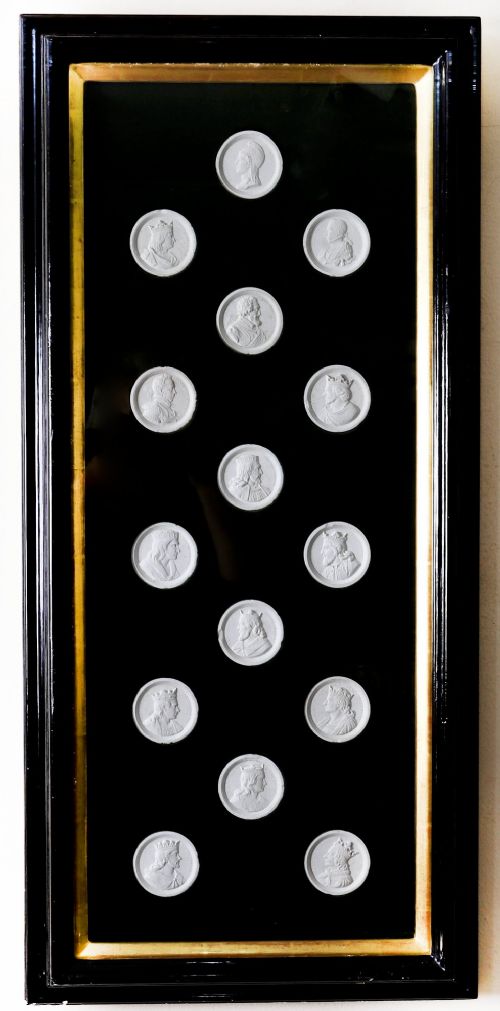
Pieces range from intimate depictions of individuals to grander conversation pieces and classical plaster panels originating from the Grand Tour.
Materials and Techniques
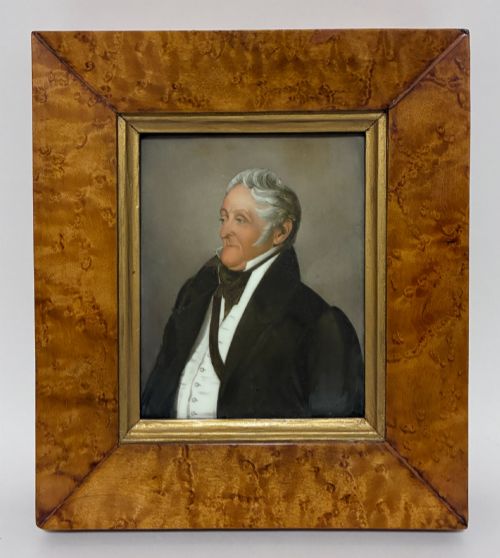
Makers utilised dark paper, ink, and watercolour mounted on contrasting backgrounds, alongside reverse painting on glass to achieve depth.
Relief works incorporated wax, gypsum, and plaster to create classical cameos and intaglios housed within protective wooden frames.
Framed Profile Art Retail Price Guide 2026
Typical asking prices for framed profile art among the pieces listed under this phrase on Sellingantiques today, from the lower quarter to the upper quarter. They describe what is for sale here now, not the wider market.
The selection spans the eighteenth century, the Regency era, and the Victorian period, featuring paper, glass, wood, and gold leaf.
Determining Quality
Distinction lies in the precision of the hand-cut paper or the fineness of the ink brushwork defining the sitter's profile.
The choice of housing matters, with period giltwood and heavy glass surrounds adding substantial integrity to the artwork.
James Sharples·Augustin Edouart·John Miers·Florence Small·Bertram Priestman
The Framed Profile Art Glossary
- Silhouette
- A portrait rendered as a solid dark shape, usually a profile, set against a pale background. This technique relies entirely on outline and contour rather than interior detail.
- Intaglio
- A design incised into a material such as glass or stone so that an impression in relief can be made from it. These panels reflect classical tastes from the Grand Tour.
- Reverse painted on glass
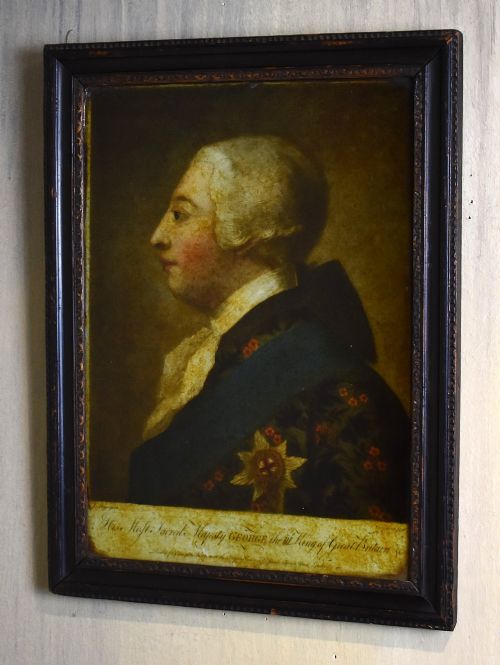
- An artwork created by painting directly onto the back of a glass sheet and viewing the finished image from the front. This method gives the surface a polished sheen.
- Conversation piece
- An informal group portrait depicting subjects engaged in a shared activity. These works capture social dynamics of the period.
Framed Profile Art: Frequently Asked Questions
How were silhouettes created?
Artists produced silhouettes by cutting black paper with scissors or by painting directly onto card, glass, or plaster. Some practitioners specialised in hollow-cut profiles where the figure was excised from the background sheet.
Detailing was frequently added using ink, watercolour, or gold leaf to define hair and clothing. Finished pieces were sealed beneath glass to protect the delicate paper.
What is a Grand Tour intaglio panel?
Grand Tour intaglio panels contain collections of small plaster or gypsum casts modelled after classical antiquities. Travellers gathered these souvenirs during European educational journeys in the eighteenth and nineteenth centuries.
The casts were typically arranged together in shallow wooden frames for display. They reflect the period's widespread fascination with classical sculpture and mythology.
How do I date a silhouette?
Dating relies on the style of dress, the shape of the frame, and the specific materials employed by the artist. Regency pieces often feature distinct costume details and specific signature formats.
Written inscriptions on the reverse of the backing paper frequently record the sitter's name and the year of creation. Comparing these elements with known studio practices helps establish a timeline.
How should I display these pieces?
These artworks require placement away from direct sunlight to prevent the fading of paper, ink, and watercolour pigments. Stable indoor humidity levels protect both the antique frames and the delicate materials within.
Grouping several profiles together creates a traditional gallery display reminiscent of period interior decoration. Hanging them at eye level allows close inspection of the fine cutting and painting techniques.