





Framed Portrait Mirror
A framed portrait mirror unites reflective glass and painted portraiture, offering a dual visual punch that anchors a room with historic character.
Framed Portrait Mirror
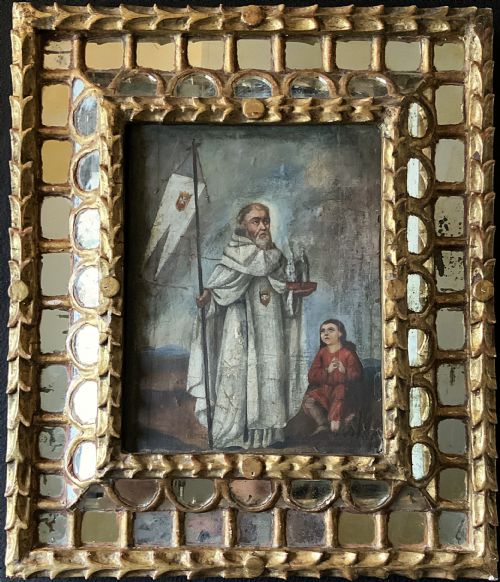
When you search for a framed portrait mirror, you encounter a hybrid category spanning oil paintings, reverse glass works, and decorative wall mirrors from the seventeenth to the twentieth century. These pieces combine decorative framing with portraiture or reflective surfaces, originating from British, French, Spanish, Swedish, and Chinese traditions.
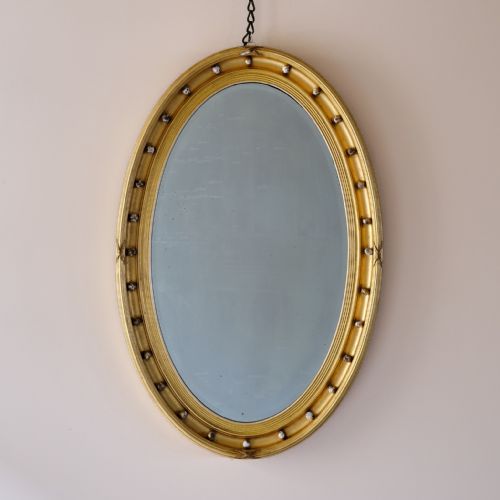
The selection on this page relies heavily on nineteenth-century Victorian examples alongside earlier seventeenth-century baroque pieces and early twentieth-century works. Buyers most frequently meet walnut wall mirrors, ornate gilt and gesso frames enclosing canvas portraits, and traditional trumeau formats.
Materials and construction
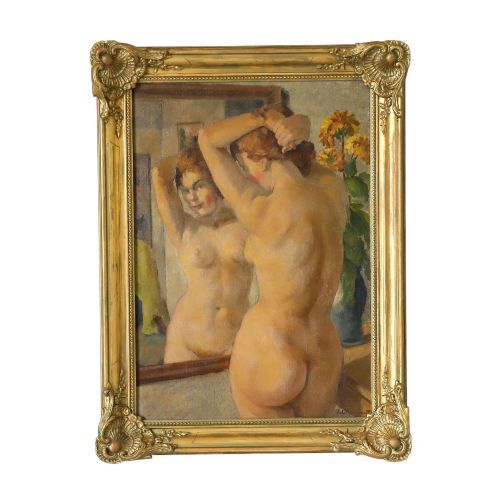
Carpenters and artisans formed the structural elements using solid woods such as mahogany and walnut, applying delicate gesso layers to shape ornate surface ornamentation. Gilders then applied gold leaf to the prepared surfaces, creating the luminous finishes seen on Victorian and continental frames.
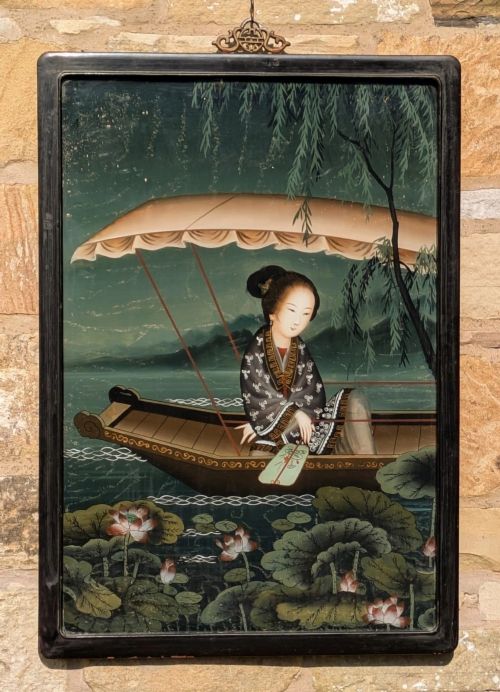
Makers integrated glass panels alongside canvas and reverse glass paintings, securing them within carved wooden rebates. Techniques varied from the deep mouldings of Spanish baroque and Italian cassetta frames to the refined mounts of French ormolu and Limoges enamel.
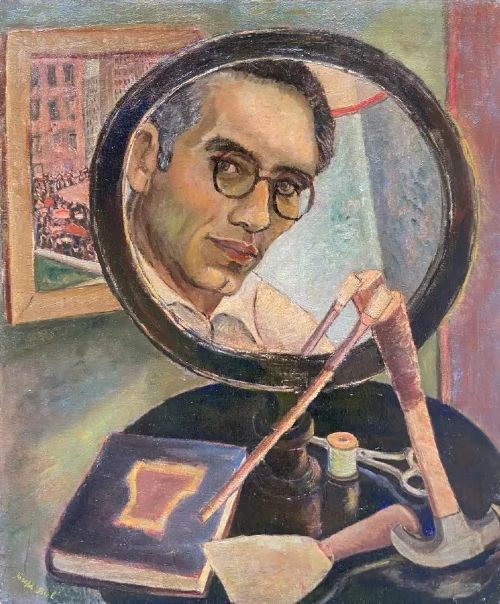
Artists sometimes painted directly into mirrors, capturing their own reflection alongside studio tools to confuse the viewer's eye.
Evaluating craftsmanship and condition
Quality rests in the crispness of the hand-carved wood and the depth of the gesso application beneath the gold leaf. Superior pieces exhibit precise joinery, well-preserved gilding, and original glass or canvas components that have avoided aggressive restoration.
The distinction between standard commercial output and finer workshops lies in the hand-finishing of the moulding profiles and the artistic merit of the enclosed painting or portrait. F.Bienvue and similar makers demonstrate how material synergy elevates the object above mere utility.
Joseph Biel·Philippe de Rougemont·F.Bienvue
The Framed Portrait Mirror Glossary
- Gesso
- A plaster mixture applied to wood frames to create a smooth surface for gilding. This material allows artisans to carve intricate relief details before applying gold leaf.
- Giltwood
- Timber coated with gold leaf or gold paint for decorative effect. It defines the rich aesthetic of many nineteenth-century wall mirrors and picture frames.
- Trumeau
- A decorative wall mirror featuring an upper panel containing a painting or carving paired with a glass plate below. This French style originated in neoclassical interior design.
- Reverse glass painting
- An artwork created by applying pigment to the back of a glass panel and viewing it from the front. Chinese and European workshops utilised this technique for luminous portraits.
- Cassetta frame
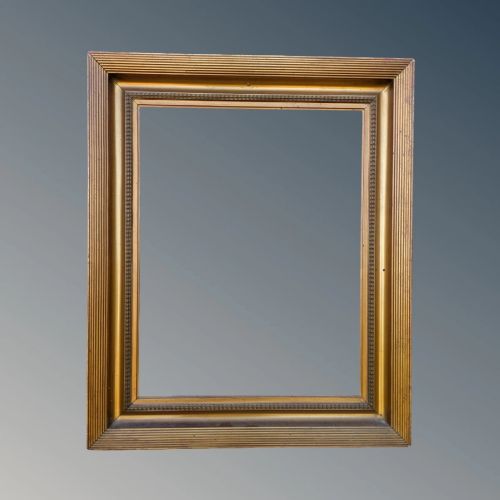
- A classical Italian moulding profile shaped like a small box with raised outer and inner edges. These frames often surround Renaissance and baroque portraits.
Framed Portrait Mirror: Frequently Asked Questions
How do I hang a heavy giltwood wall mirror safely?
Heavy carved wood and gesso frames require robust wall fixings anchored directly into structural studs or masonry. Professional mirror hangers utilise heavy-duty strap hangers attached securely to the wooden backing frame.
Ensure the hanging wire or brackets distribute the weight evenly to prevent stress on antique mitre joints. Avoid relying solely on plasterboard without appropriate wall anchors.
What is the difference between an overmantel and a wall mirror?
Overmantel mirrors are traditionally wider than they are tall, designed specifically to sit directly above a fireplace mantelpiece. Standard wall mirrors feature varied proportions suited for display across general room walls.
Both forms utilise similar framing techniques, but overmantels often incorporate landscape orientations to balance architectural hearth dimensions.
How do I identify a Victorian gesso frame?
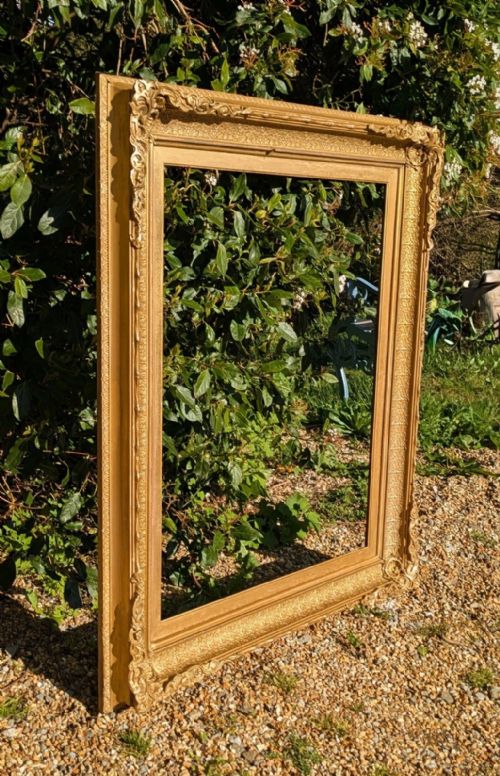
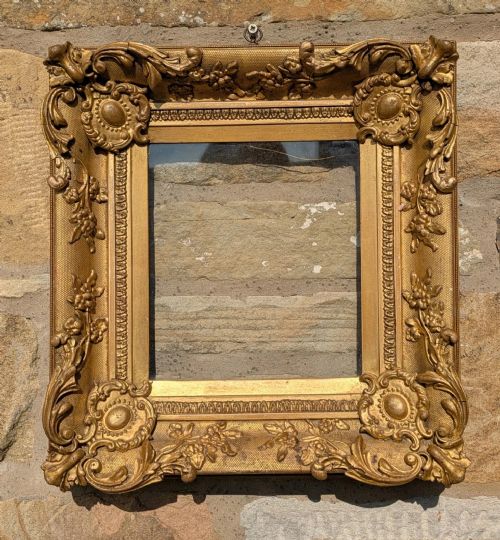
Victorian gesso frames display moulded ornamentation built up over a wooden core, often featuring revival styles like Rococo or Art Nouveau. The plaster layer allows for sharp floral or scroll motifs that differ from flat wooden mouldings.
Examine the corners and rebates under magnification to spot the underlying white gesso beneath worn areas of gold leaf.