



Framed Pen and Ink
These framed pen and ink works bring direct lines and tonal depth to a room, offering intimate views from the eighteenth century onward.
Framed Pen and Ink
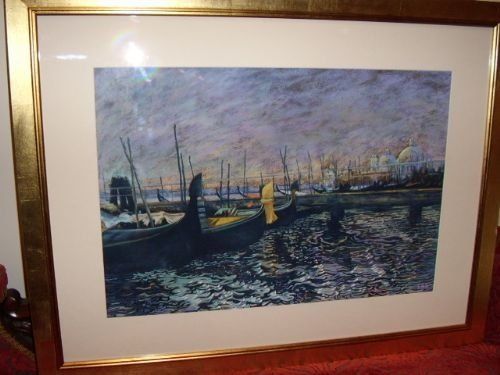
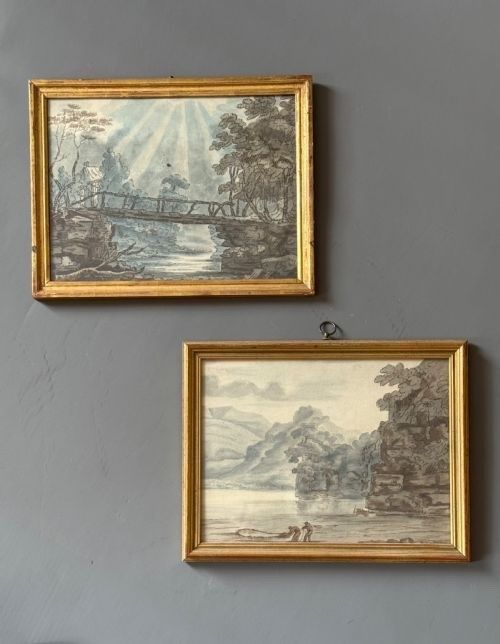
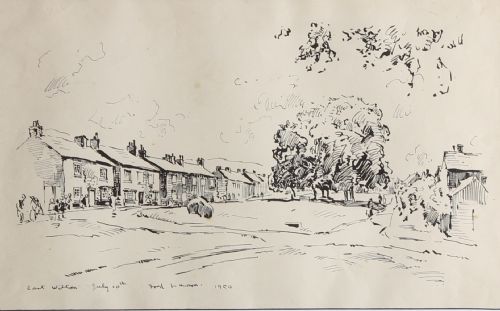
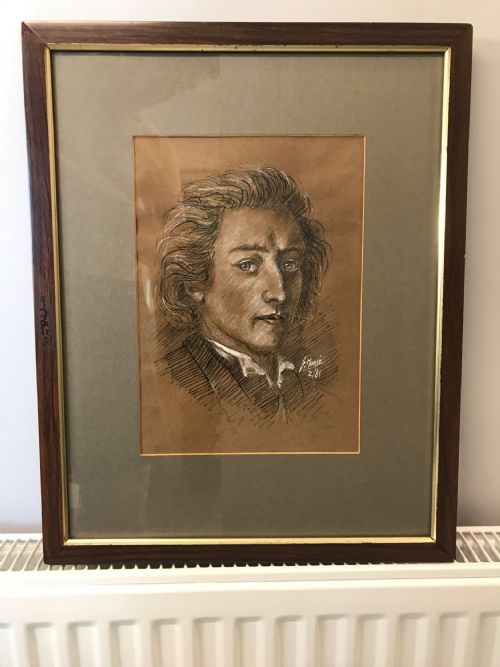
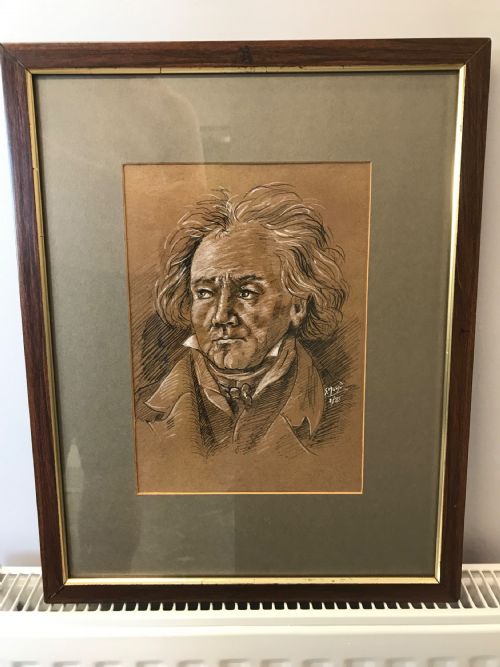
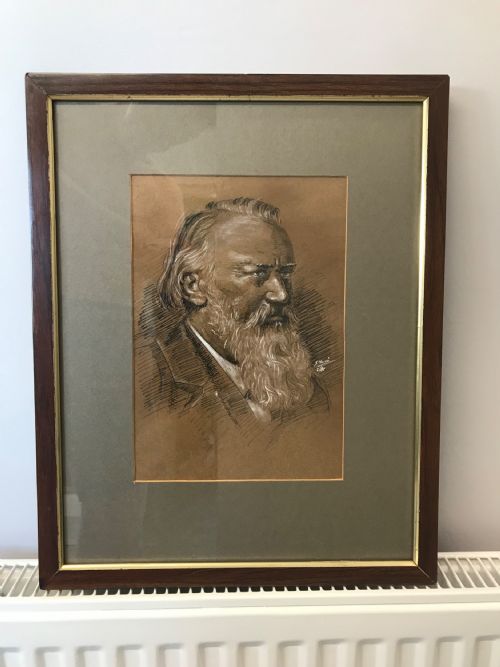
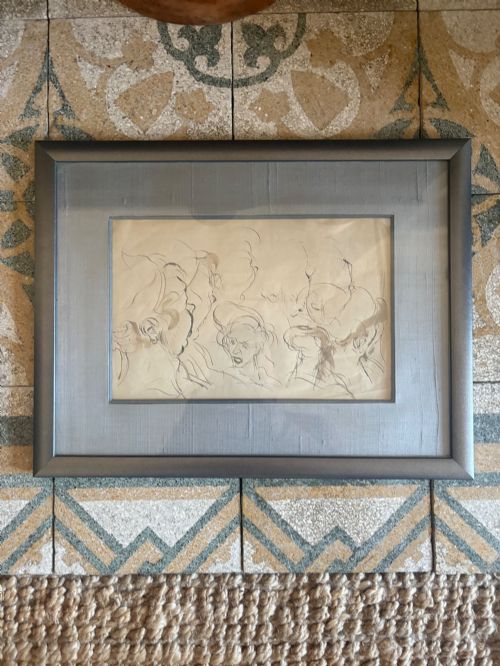
When you search for framed pen and ink, you encounter original drawings on paper executed with fluid lines, often combined with wash, watercolour, or gouache. These works range from small preparatory landscape studies and architectural elevations to detailed portraits and character sketches.
The selections span distinct periods, running from eighteenth-century English landscapes and nineteenth-century historical scenes through to mid-twentieth-century British compositions. You meet works framed in simple wood or ornate gilt rectangular scroll mounts that protect the delicate paper beneath glass.
How they were made
Artists utilise iron gall or carbon inks applied to paper with fine nibs or quills, establishing precise outlines and cross-hatched shadows. Many pieces incorporate watercolour or gouache washes to build atmospheric depth behind the dark ink lines.
Framing materials reflect the period of creation or subsequent mounting, using wood, glass, and gilt frames with paper backing. These protective housings preserve the fragile organic media from light and moisture damage over centuries.
Framed Pen and Ink Retail Price Guide 2026
Typical asking prices for framed pen and ink among the pieces listed under this phrase on Sellingantiques today, from the lower quarter to the upper quarter. They describe what is for sale here now, not the wider market.
Listings feature works spanning from the 18th century through to the 1960s, employing paper, ink, gouache, and watercolour.
What varies in quality
The distinction between standard examples and superior pieces rests on the confidence and economy of the draughtsmanship. Masterful control of line weight and shadow conveys immediate vitality, whereas weaker works display hesitant strokes and flat compositions.
Provenance and association elevate specific pieces, particularly when a drawing connects to a documented body of work or a known artist's preparatory studies. The preservation of the paper, minimal fading of the ink, and the appropriateness of the period frame further define the standing of an individual piece.
Fred Lawson·William Edward Frost·Louis Wain·Lucien Freud·Dame Laura Knight·Alfred Dehodencq
The Framed Pen and Ink Glossary
- Wash
- A diluted layer of ink or watercolour applied with a brush to create translucent shadows and tonal variations behind pen lines. It adds three-dimensional volume to flat linear sketches.
- Gouache
- An opaque water-based medium used alongside ink to add solid highlights and colour accents. It provides dense coverage that contrasts with transparent ink and wash.
- Preparatory study
- A preliminary drawing executed by an artist to plan a larger composition, painting, or architectural project. These sheets record immediate artistic intent and spontaneous thought.
- Gilt wood
- Wood framing treated with a layer of gold leaf or metallic gilt paint, frequently seen on eighteenth and nineteenth-century frames. It enhances the visual weight of the enclosed artwork.
Framed Pen and Ink: Frequently Asked Questions
How should I hang framed pen and ink?
Keep these works away from direct sunlight to prevent the ink and paper from fading over time. Indirect natural light or low-wattage interior lighting preserves the delicate media.
Display them at eye level in dry rooms to protect the paper and wooden frames from humidity fluctuations.
Are these drawings original artworks?
The selections consist of original, hand-drawn works on paper rather than mechanical reproductions or prints. Each piece displays unique ink lines and brush marks specific to the artist's hand.
Signatures, preparatory notes, and paper textures confirm their status as singular historical objects.
How do I identify the period of a drawing?
Dating relies on stylistic clues within the subject matter, the handwriting of titles or signatures, and the physical characteristics of the paper. Architectural details and clothing styles within historical scenes provide clear chronological anchors.
The framing materials and backing methods also offer guidance regarding when the work was assembled.