



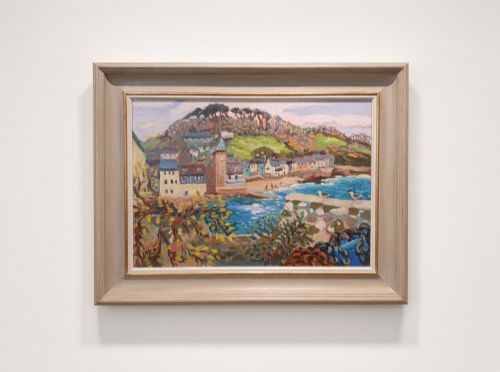
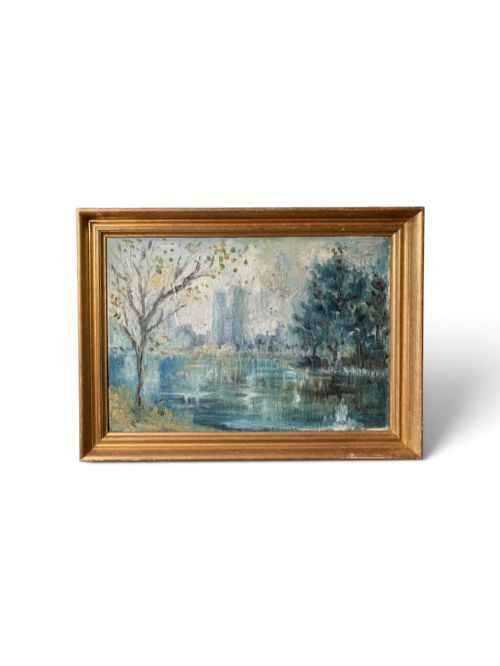
Framed Painting Art
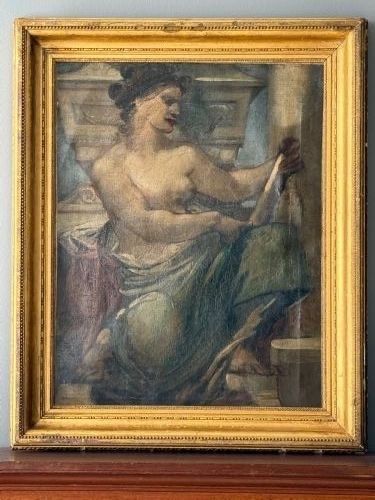
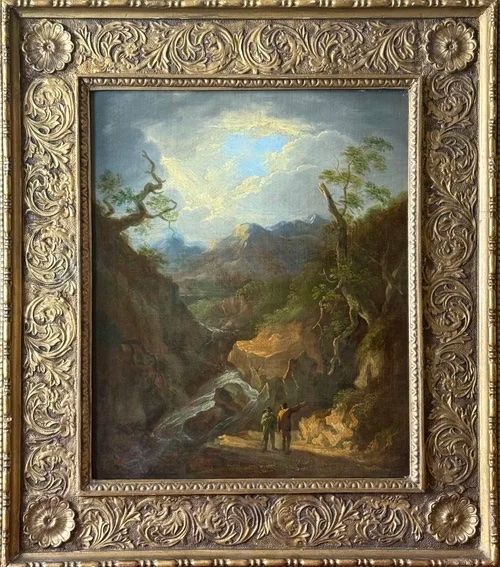
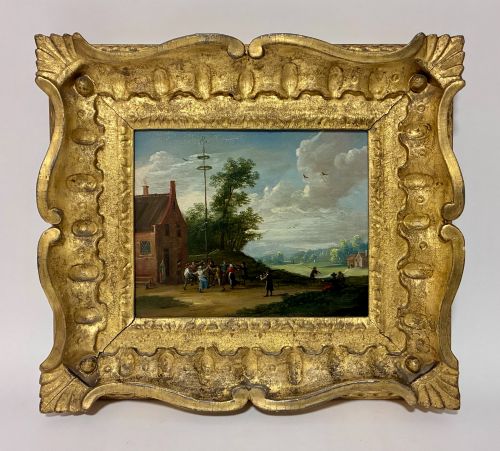
Framed painting art encompasses centuries of hand-rendered works on canvas, panel and paper, preserved behind glass or within timber mouldings.
Framed Painting Art
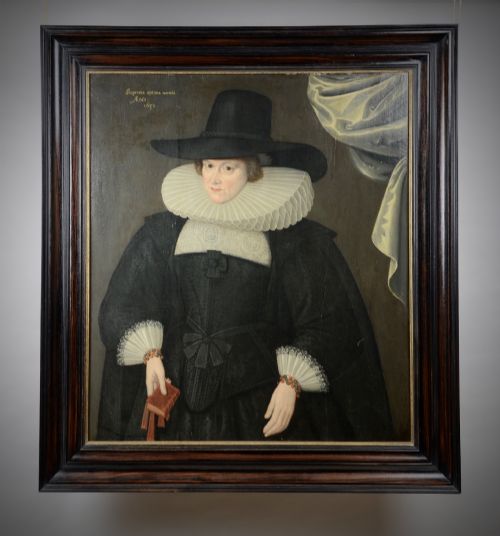
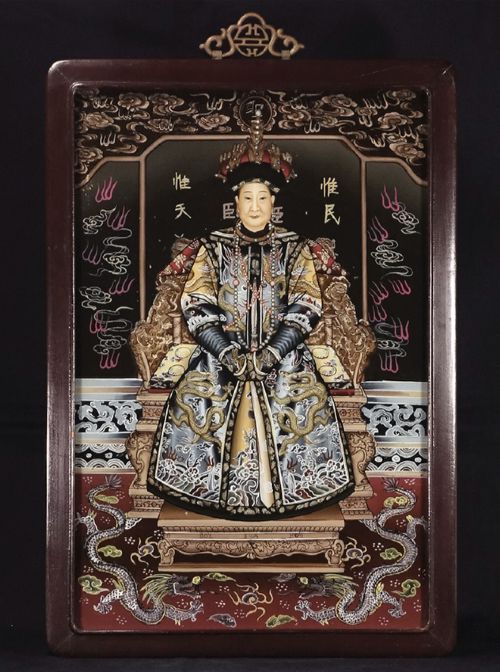
When you search for framed painting art, you encounter a diverse survey of historical visual culture spanning from the seventeenth century through the mid twentieth century. The selections available here range from intimate portrait miniatures and delicate watercolours to grand oil paintings on canvas and panel.
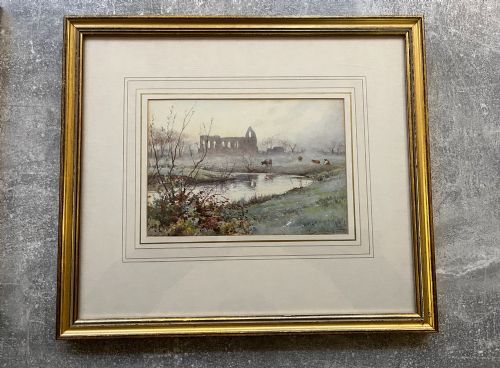
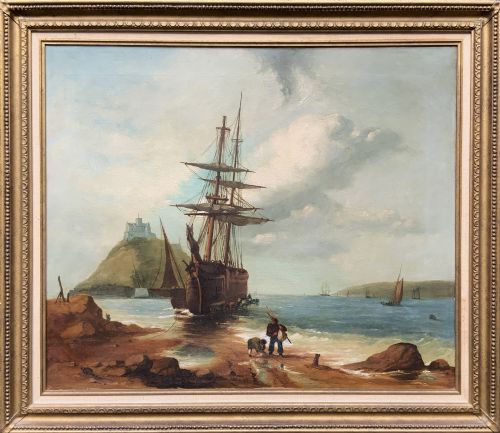
The most frequent items you meet on this page are nineteenth century oil paintings and landscapes, alongside mid twentieth century pastels and atmospheric watercolours. Examples stretch across various regional traditions, including British, Dutch, French and wider European schools.
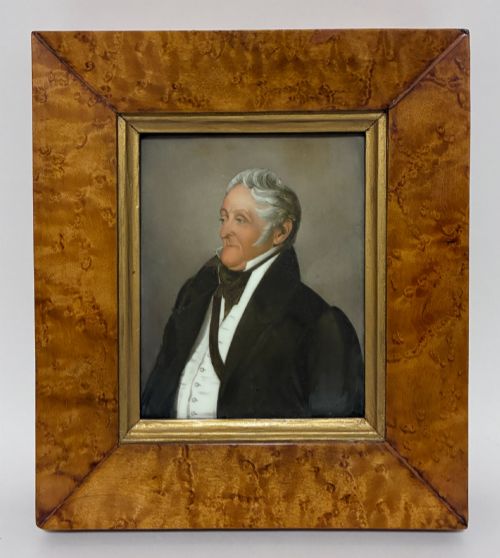
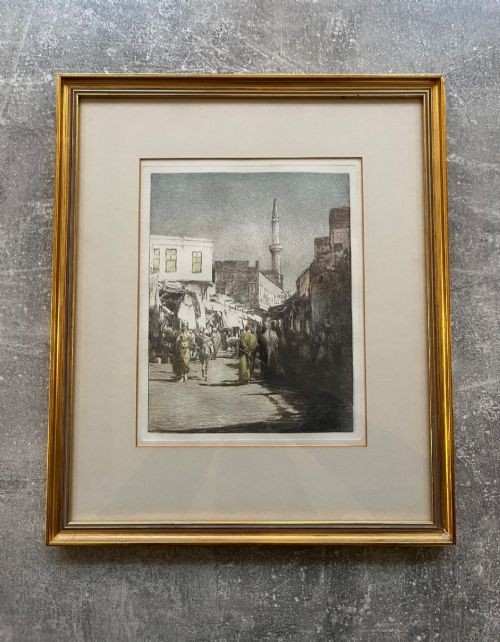
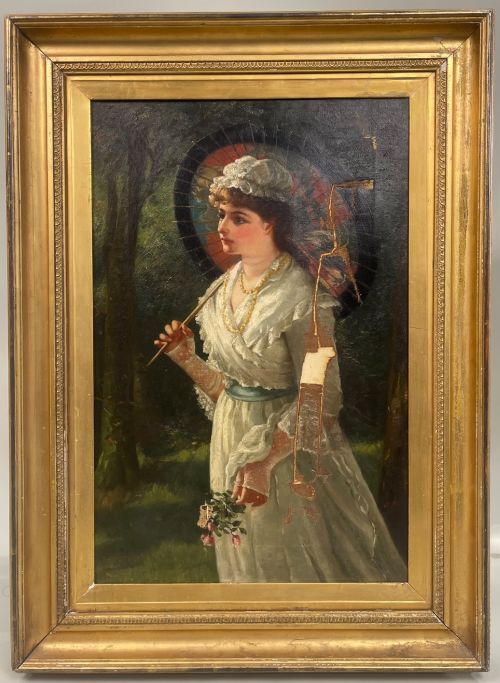
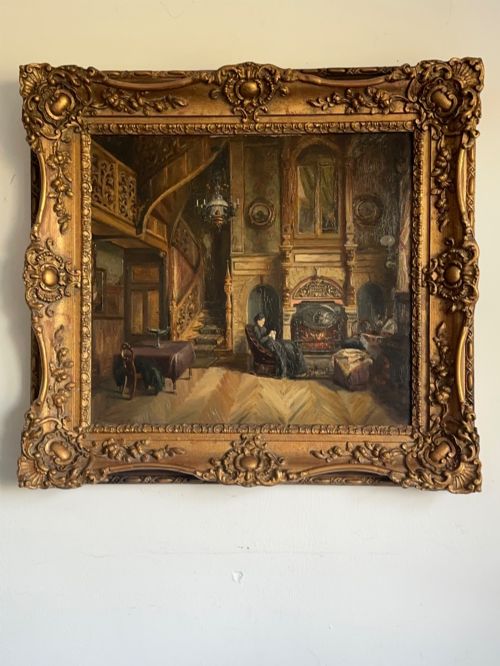
Subjects vary from formal portraiture and quiet pastoral scenes to botanical still lifes and architectural views. Each piece arrives enclosed within its protective surround, whether that comprises a deep giltwood frame or a simpler maple moulding.
Materials and Methods
Makers built these works using oil paint applied to stretched canvas or wooden panels, as well as pastel and gouache on prepared paper. Canvas supports required careful priming with gesso to create a stable surface for pigment application.
Watercolours and portrait miniatures utilised paper or delicate card, often protected beneath glass within fitted timber or metal surrounds. Frames were constructed from carved wood and finished with intricate gesso ornamentation and gilding.
Framed Painting Art Retail Price Guide 2026
Typical asking prices for framed painting art among the pieces listed under this phrase on Sellingantiques today, from the lower quarter to the upper quarter. They describe what is for sale here now, not the wider market.
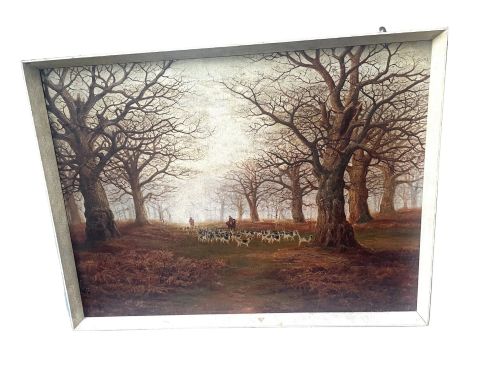
Several sheep, a racing pigeon, spaniels, and a chestnut hunter share the canvas space with human subjects across these historical artworks.
Distinctions in Quality
The upper tier of works demonstrates superior brushwork, anatomical precision and spatial depth, particularly visible in seventeenth century portraiture and nineteenth century landscapes. Masterful handling of light and shadow distinguishes accomplished artists from competent regional copyists.
Framing integrity also plays a substantial role, where original period giltwood mouldings that complement the artwork elevate the overall cohesion of the piece. Superior preservation of the underlying canvas or paper surface ensures the longevity of the pigments.
Douglas Cameron·Angus Rands·Anna Tonelli·JOHN RUSSELL·Michiel van Musscher·William Shayer·Herbert Royle·Paja Jovanovic·Sir Godfrey Kneller·Charles Bilger Spalding·Gaastra·George F. Bird·Deidre Daines·Sir Peter Lely
The Framed Painting Art Glossary
- Oil on Canvas
- Pigments suspended in a drying oil medium applied to a woven fabric support stretched over a wooden frame. This technique allowed artists to achieve rich colour depth and subtle tonal gradations.
- Pastel
- A dry drawing medium composed of powdered pigment and a binder, worked directly onto paper. It produces velvety textures and luminous colour effects but requires glass protection.
- Giltwood
- Timber that has been coated with a thin layer of gold leaf or gold powder. It is frequently seen on decorative antique frames from the seventeenth to nineteenth centuries.
- Portrait Miniature
- A small, highly detailed painting, often executed in watercolour on vellum, card or ivory during the eighteenth and nineteenth centuries. These intimate objects were frequently designed to be carried or worn.
- Gesso
- A paint mixture consisting of a neutral binder mixed with chalk, gypsum or pigment. It served as a smooth preparation layer for wooden panels and canvas before painting.
Framed Painting Art: Frequently Asked Questions
How should I hang heavy oil paintings safely?
Ensure your wall fixings engage directly with structural studs or utilise heavy duty masonry anchors suited to the weight of the frame. Heavy canvases require robust picture wire or steel d-rings securely fastened to the wooden stretcher bars.
Position the work at eye level, avoiding direct sunlight and areas subject to sudden temperature fluctuations or high humidity. Proper placement protects both the canvas tension and the delicate gesso ornamentation on antique frames.
Can watercolours be displayed in bright rooms?
Watercolours and pastel works are exceptionally sensitive to ultraviolet light, which can cause pigments to fade significantly over time. Keep them away from direct sunlight and consider framing them with UV-filtering conservation glass.
Rotate pieces displayed in naturally bright areas or choose interior walls that receive only ambient, indirect illumination. This simple precaution preserves the subtle tones of nineteenth century paper works.
How do I identify the period of a frame?
Examine the construction joints at the corners and the composition of the gesso ornamentation beneath the gilding. Earlier frames from the seventeenth and eighteenth centuries often feature hand-carved wooden motifs rather than moulded plaster compositions.
Look for signs of age on the reverse, including oxidized fixings, hand-cut screws, and the patina of old timber. Match these physical traits with the stylistic conventions typical of Victorian, Regency or Baroque design periods.
What is the best way to clean antique frames?
Dust giltwood and timber frames gently using a very soft, dry brush or an ostrich feather duster. Avoid applying water, chemical solvents or commercial cleaning sprays, as moisture strips delicate gold leaf and degrades old gesso.
For stubborn surface grime on non-gilded wooden mouldings, consult a professional conservator rather than attempting wet cleaning. Preserving the original surface patina is essential for maintaining the historical integrity of the piece.