


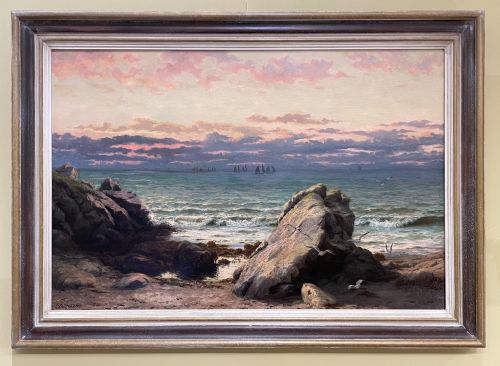
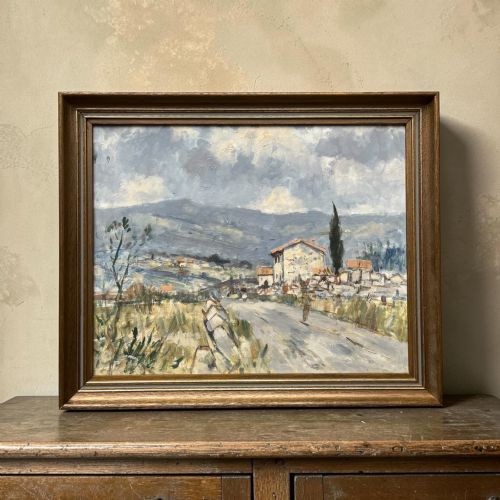
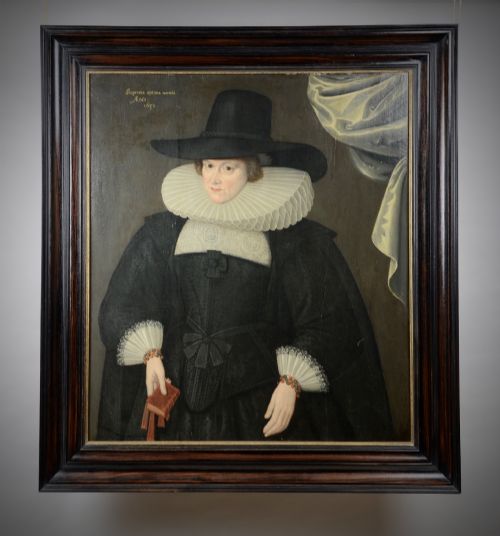
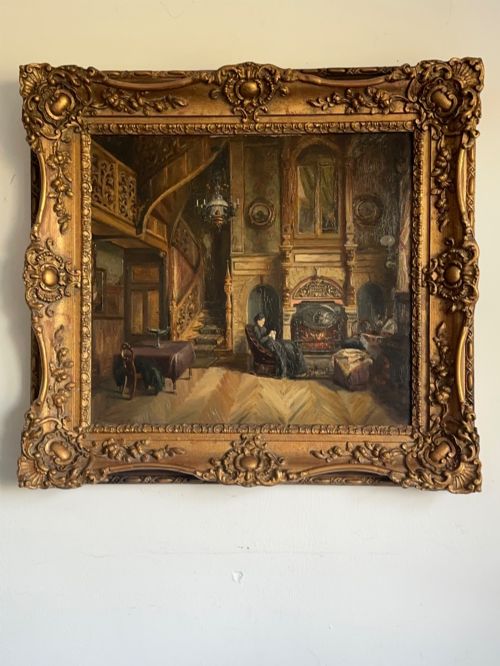
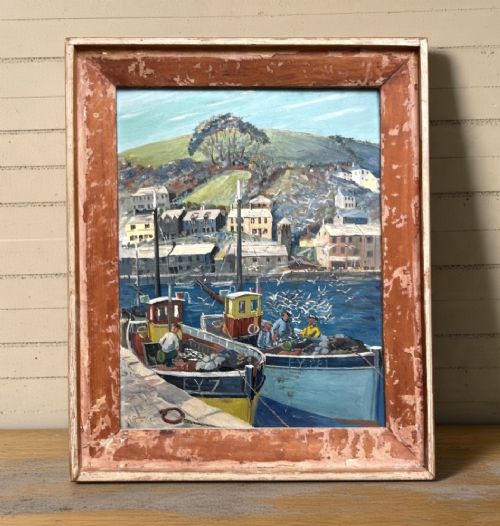
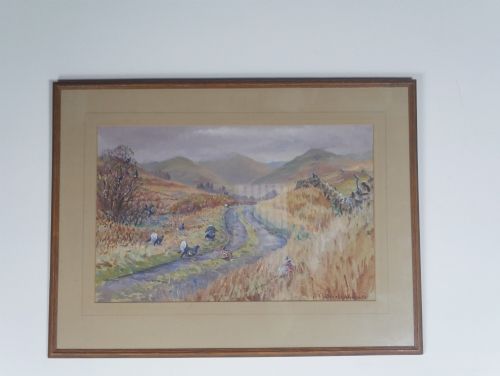
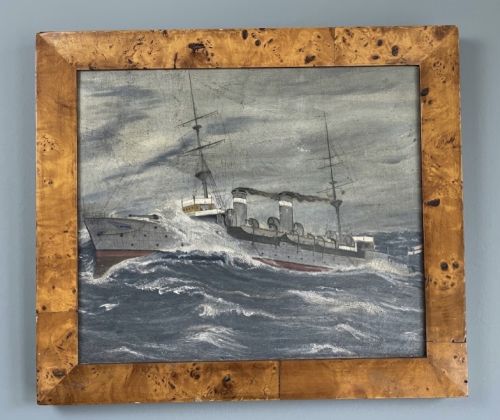
Framed Oil on Wood
Framed oil on wood works offer tangible connections to past centuries, bringing rich textures and historical depth into modern interiors.
Framed Oil on Wood
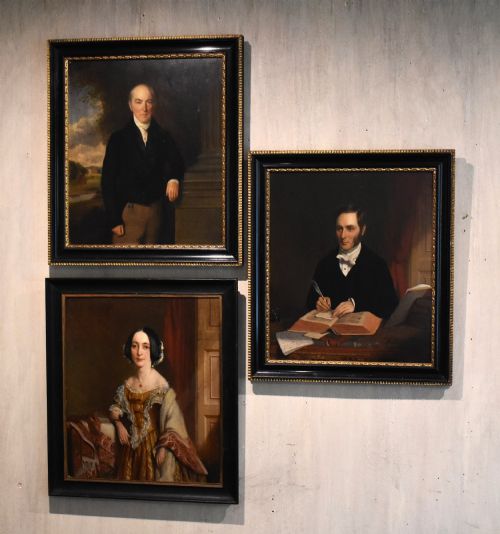
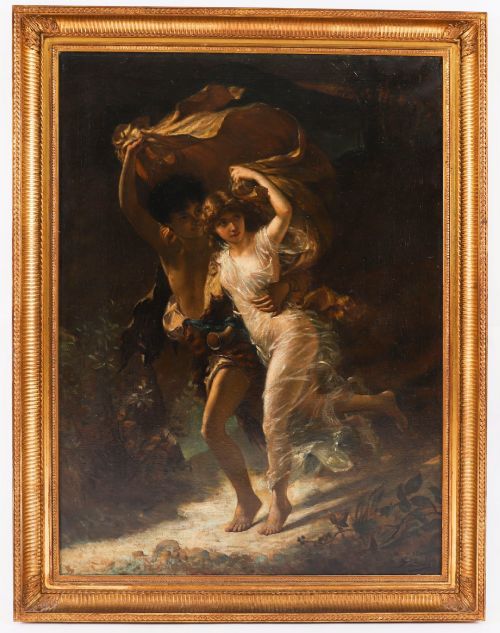
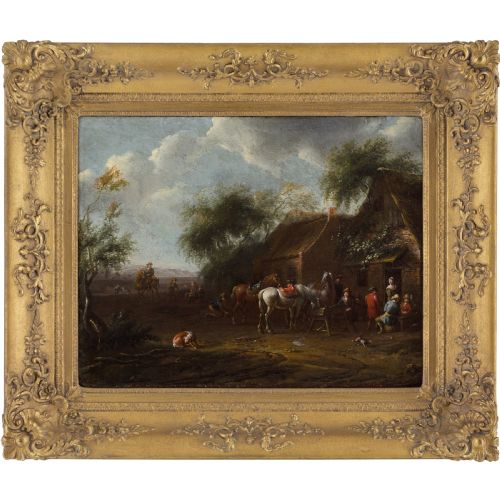
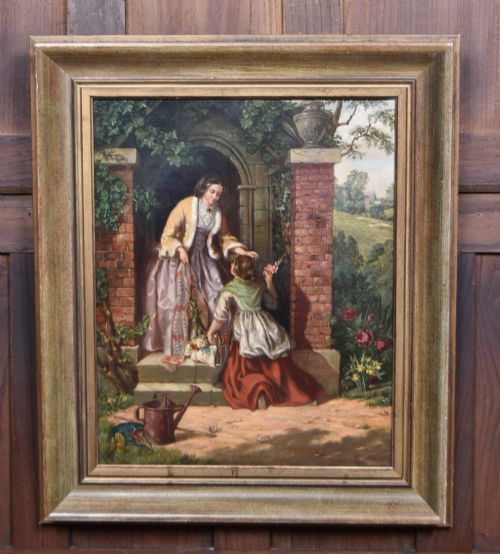
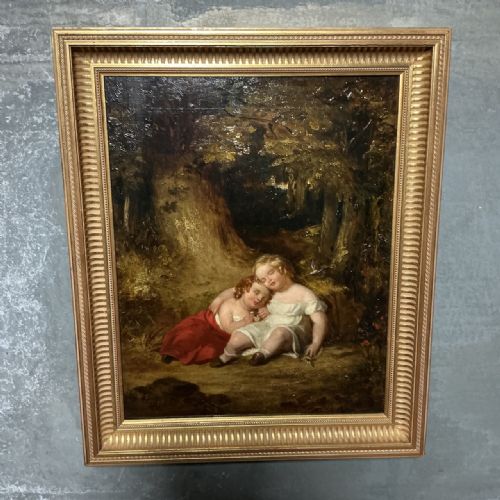
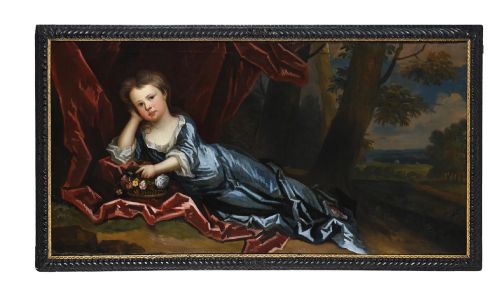
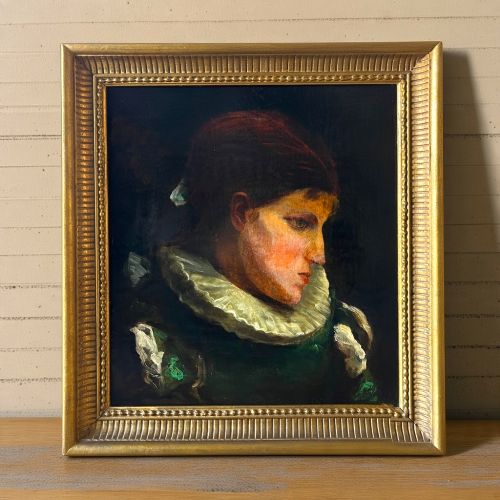
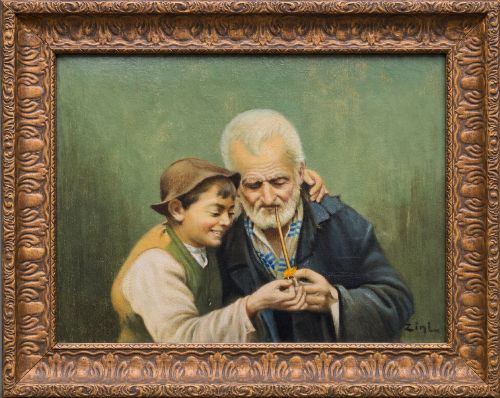
When you search for framed oil on wood, you encounter painted panels created across multiple centuries, spanning from the seventeenth century through to the mid-twentieth century.
The selections on this page incorporate distinct object types, including detailed portraits, genre scenes, landscapes, and traditional picture frames.
Early works often reflect seventeenth-century Dutch, Flemish, and English schools, while later examples extend into nineteenth-century European and Edwardian periods.
How they were made
Makers applied oil paint directly onto rigid wooden panels, utilising the stable substrate to achieve fine detail and smooth blending.
Many works are paired with decorative enclosures formed from materials such as gilt wood, gesso, and gold leaf, matching the aesthetic of the period.
Framed Oil on Wood Retail Price Guide 2026
Typical asking prices for framed oil on wood among the pieces listed under this phrase on Sellingantiques today, from the lower quarter to the upper quarter. They describe what is for sale here now, not the wider market.
The listings span multiple centuries, ranging from seventeenth-century portraits to mid-twentieth-century still life compositions.
What varies in quality
The standard of a piece rests upon the precision of the brushwork and the anatomical accuracy or compositional balance achieved by the artist.
The preservation of the underlying wooden panel and the integrity of the original gilt framing also contribute significantly to the overall standing of the work.
Cornelius Johnson·Van Dyck·David Scougall·Edward Holmes·Bernardino Luini·Thomas Murray·Hans Holbein·Carlo Ferranti·George Whitton Johnstone·Sir Joshua Reynolds
The Framed Oil on Wood Glossary
- Oil on panel
- A painting technique where oil pigments are applied to a wooden board rather than canvas. This method provides a rigid and durable support favoured by historical masters.
- Giltwood
- Wood that has been coated with a thin layer of gold leaf or powder. It frequently appears on traditional picture frames and mirrors.
- Gesso
- A plaster mix applied to wooden panels or frames to prepare a smooth surface for gilding and painting. It allows intricate moulded decorations to be applied.
- Genre painting
- Artwork depicting scenes from everyday life, ordinary people, and domestic interiors. These pieces offer social history alongside artistic merit.
- Trumeau
- A decorative wall mirror or panel often incorporating an oil painting above the glass. It originates from eighteenth- and nineteenth-century interior design.
Framed Oil on Wood: Frequently Asked Questions
How do I care for oil on wood paintings?
Keep these artworks away from direct sunlight and sudden shifts in temperature or humidity, which can cause wood to warp and paint layers to crack.
Dust the surface gently with a soft, dry brush and avoid using any liquid cleaners on the panel or the frame.
How can I tell the age of the wooden panel?
Examine the reverse of the panel for tool marks, seasoning splits, and the type of wood used, as older pieces often exhibit hand-cut characteristics and oxidisation.
Matching the construction style with known period framing techniques provides further clues to the date of creation.
Where were these paintings displayed historically?
Historically, framed oil paintings adorned the walls of stately homes, merchant townhouses, and country manors, serving as status symbols and family memorials.
Smaller panels were also portable, allowing travelling owners to move their collections between residences.
What is the difference between oil on wood and canvas?
Wood panels provide a completely rigid surface that prevents the flexing and sagging often associated with stretched textiles over time.
This rigidity allowed artists to apply finer details and glazes without fearing future tension cracks in the paint layer.