

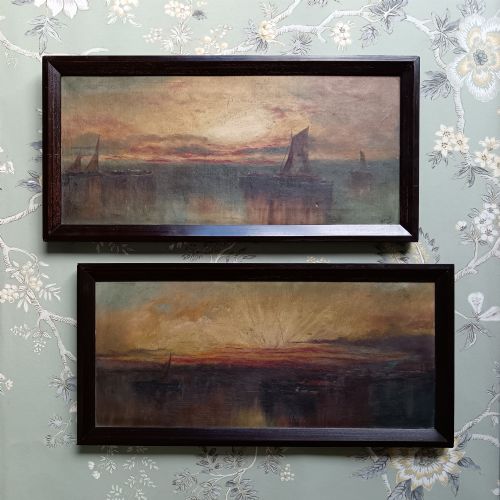

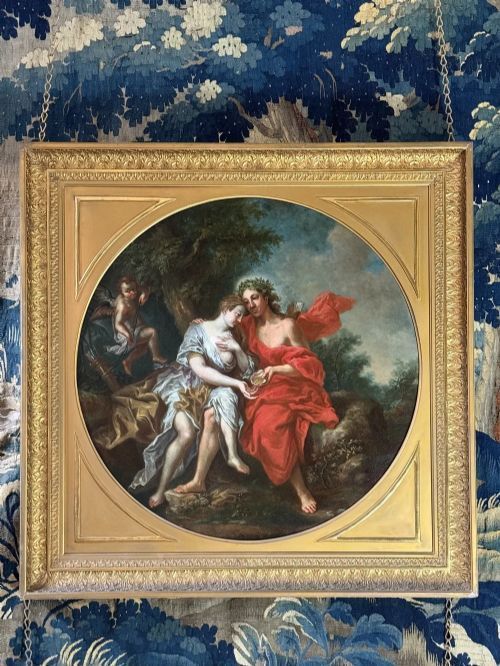
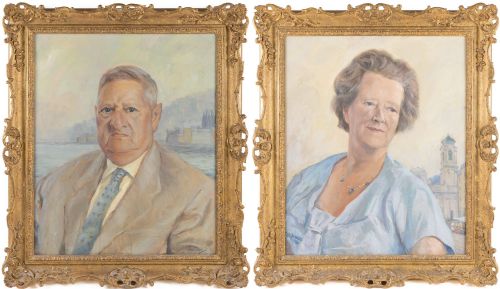
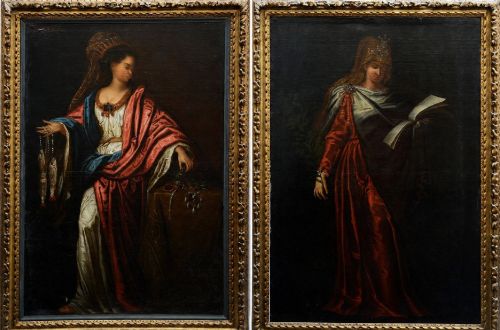
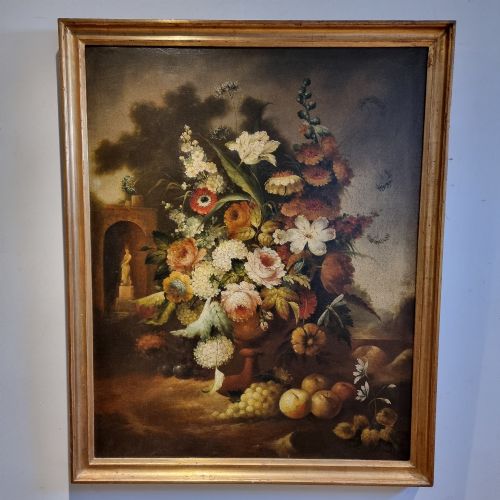


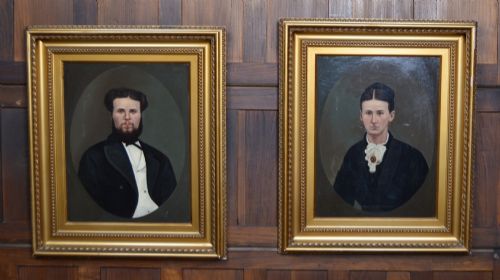
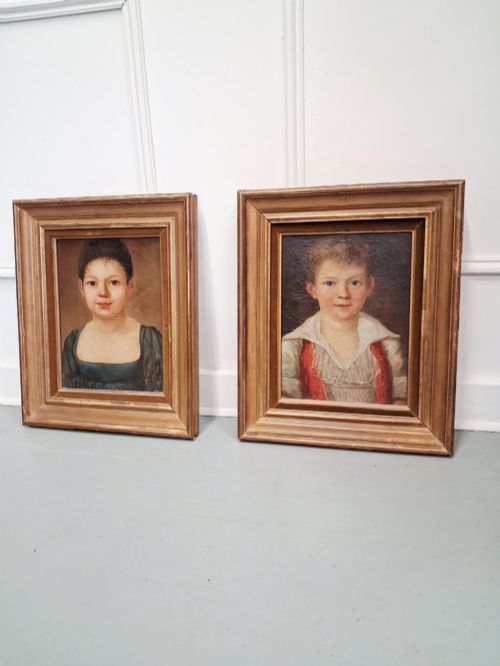

Framed Oil on Canvas Pair
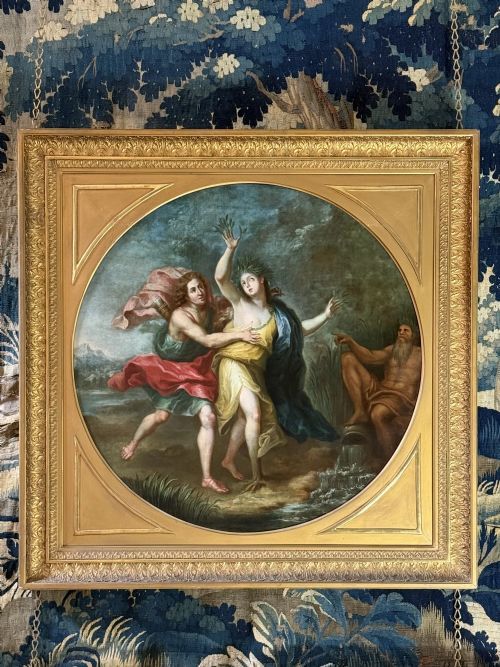
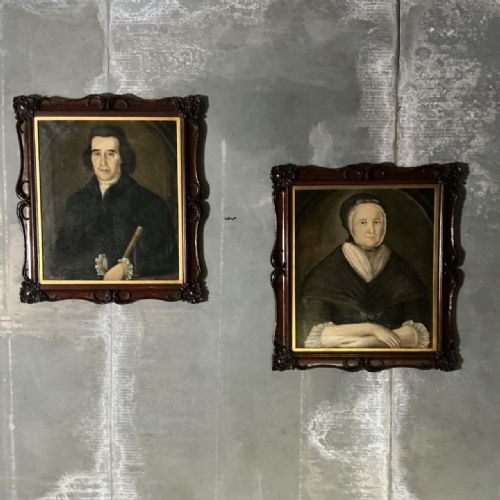
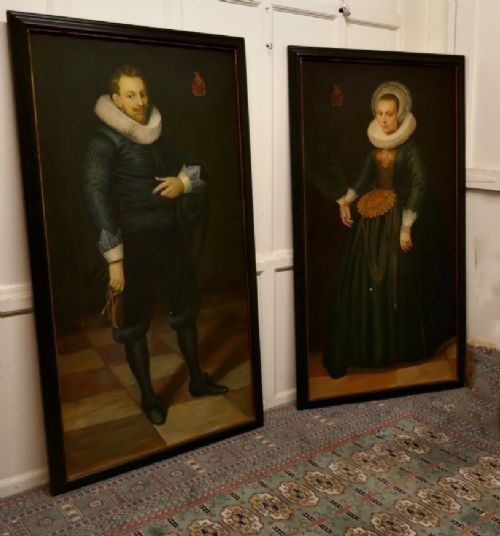
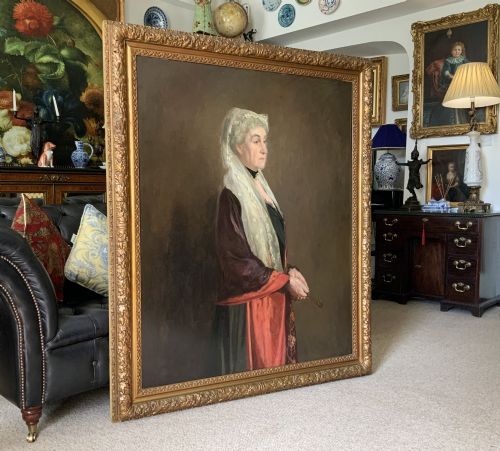
A framed oil on canvas pair brings balanced symmetry and rich historic depth to a wall, offering twin artworks designed to complement each other.
Materials and Technique
The primary construction relies on woven canvas stretched across wooden support frames, painted using oil-based pigments derived from traditional ground colours and binding oils. This combination allows for rich blending, luminous depth, and lasting durability across centuries of display.
Surrounds form an integral part of the physical object, utilising carved wood, gesso, and elaborate gilding to create swept gilt frames or restrained period mouldings. These enclosures protect the edges of the fabric while framing the painted surface with decorative craftsmanship characteristic of their specific era.
Assessing Quality
Quality in these matched works rests upon the precision of the brushwork, the anatomical or spatial accuracy of the composition, and the expressive capability of the artist. Superior examples demonstrate confident handling of light and shadow, particularly in complex subjects like marine sunrises, classical figures, or detailed domestic interiors.
The integrity and originality of the mounting play a decisive role in the overall standing of a set. Matched works retaining their original period giltwood or gesso frames command greater appreciation than those later re-framed, as the combination preserves the unified historical context intended by the creators.
The listings span from the seventeenth century through the Victorian era to the mid twentieth century, utilising oil paint, canvas, gesso, and giltwood.
Charles Antoine Coypel·Michael Dahl·Thomas Murray·Abraham Hulk I·Gustave De Bréanski
The Framed Oil on Canvas Pair Glossary
- Gesso
- A plaster-like mixture applied to wooden frames to create a smooth surface for subsequent gilding or moulding. It provides the crisp relief work seen on period surrounds.
- Giltwood
- Wood that has been coated with a thin layer of gold leaf or gold powder. This material defines the ornate and reflective borders characteristic of traditional picture framing.
- Still Life
- An artwork depicting inanimate subject matter, typically commonplace objects such as flowers, fruit, or dining elements. These compositions emphasise arrangement, texture, and light.
- Seascape
- A painting representing the sea, coastal views, shipping vessels, or marine weather. These works capture maritime activity and dynamic coastal atmospheres.
Framed Oil on Canvas Pair: Frequently Asked Questions
Why were oil paintings created in pairs?
Artists and patrons commissioned or painted matching works to balance interior spaces, often depicting complementary subjects like sunrise and sunset, or portraits of a husband and wife.
This symmetry suited formal domestic architecture, creating a deliberate visual dialogue across a room or above furniture.
How do I know if the frames are original?
Original surrounds generally show consistent ageing, wear patterns, and construction methods appropriate to the period of the canvas. Indicators include traditional joinery, the type of gesso applied beneath the gilding, and how snugly the stretcher fits within the rebate.
Subsequent replacements often display mismatched wear or modern fixings that do not align with the age of the artwork.
What subjects are most common?
Portraits of individuals, pastoral landscapes, marine scenes, and floral still lifes appear frequently among matched sets. Portrait pairs often record family members or historical figures, while landscape pairs celebrate opposing views or paired natural elements.
Classical and mythological themes also occur, reflecting academic training and eighteenth-century taste.
How should I care for canvas pairs?
These works require stable indoor humidity and protection from direct sunlight to prevent the oil paint from cracking and the canvas from slackening. Dusting should be done gently with a dry, soft brush, avoiding any moisture or chemical cleaning agents on the painted surface or gilt frames.
Maintaining a consistent environment prevents warping in the wooden stretchers and supports.