

Framed London Art
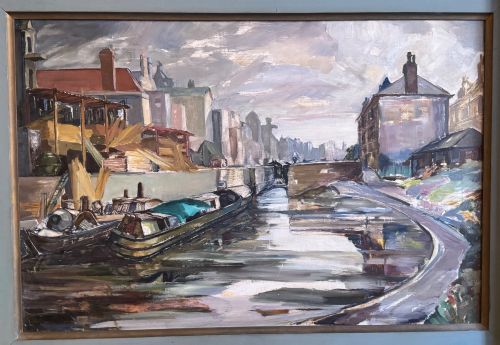
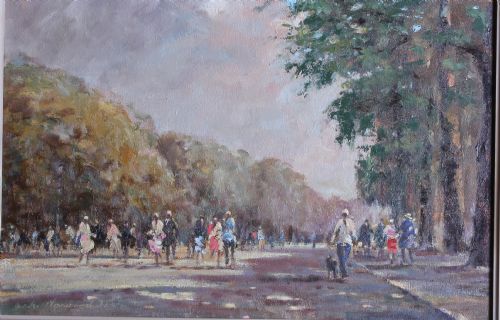
Framed london art captures the capital through centuries of watercolours, oils, and engravings depicting the Thames, monuments, and streets.
Framed London Art
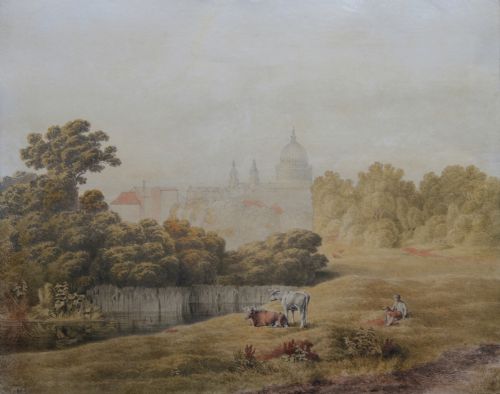
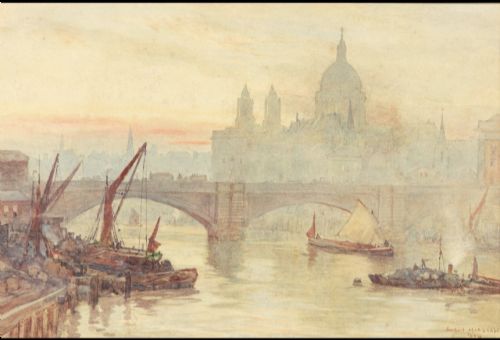
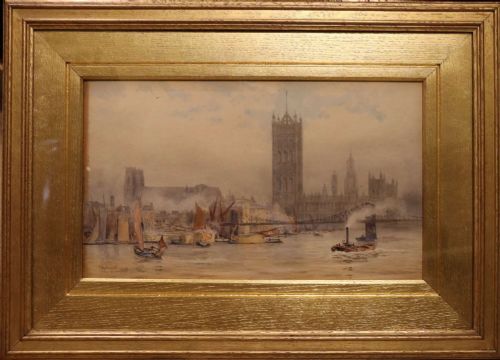
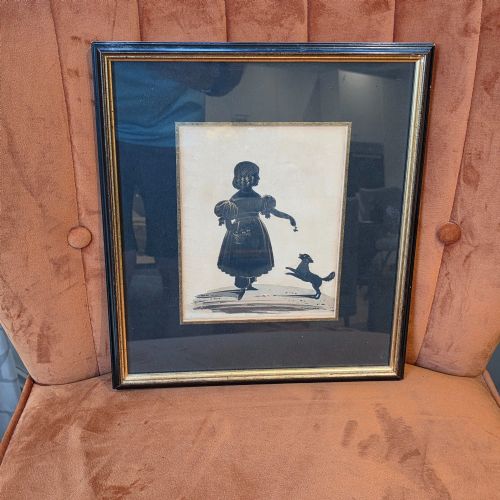
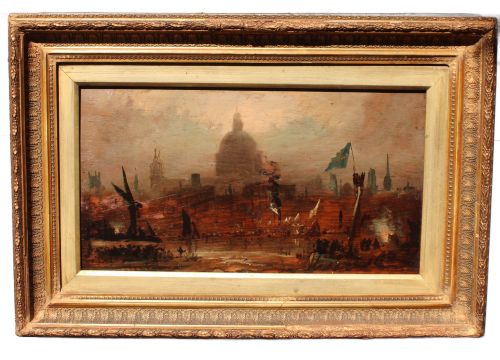
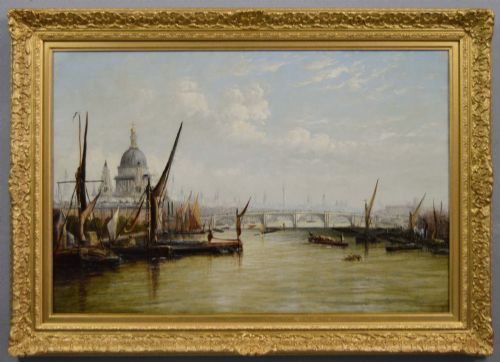
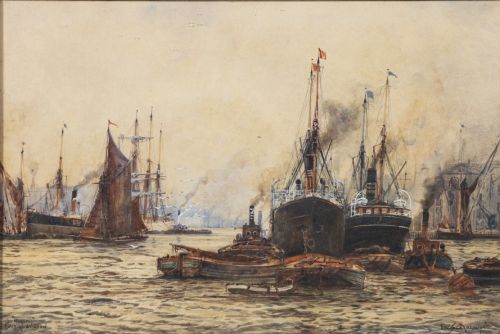
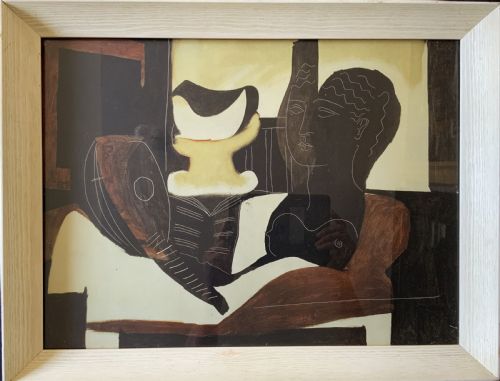
When searching for framed london art, buyers encounter a diverse selection of topographical views, maritime scenes, and portraits originating from various historical periods. The works range from early nineteenth-century watercolours of St Paul's Cathedral to mid-century abstract prints and panoramic river views.
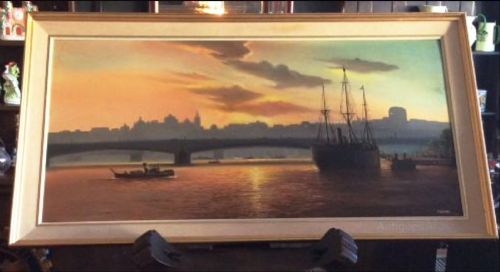
Watercolours and oil paintings dominate the selection, often featuring prominent landmarks such as Waterloo Bridge, the Houses of Parliament, and the Pool of London. These pieces preserve historical perspectives of the city created by artists working across Georgian, Victorian, and Edwardian eras.
Materials and methods
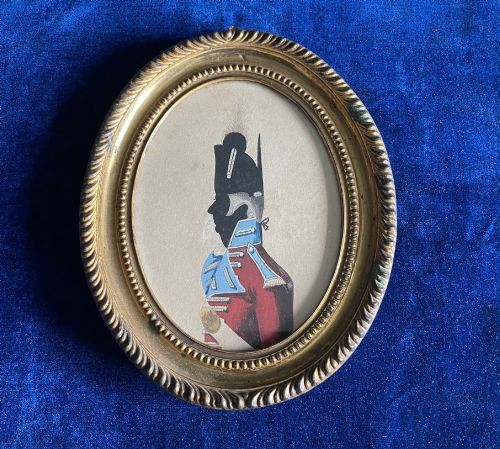
The physical objects rely on traditional supports including paper, canvas, and wood, combined with media such as watercolour, oil paint, ink, and lithography. Many surviving examples retain period frames constructed from wood and finished with gold leaf or giltwood.
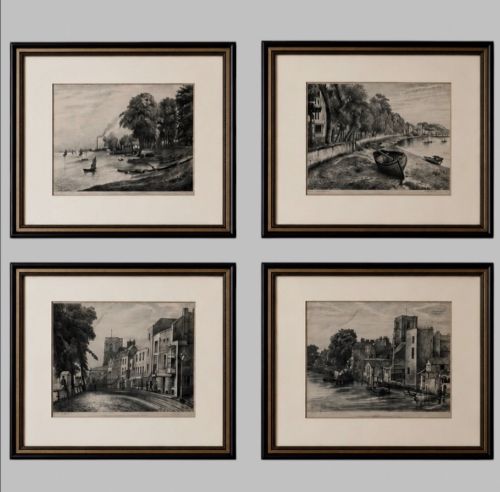
Techniques vary from hand-coloured etchings and cut paper silhouettes to detailed oil paintings and wood engravings. Printmaking processes like mezzotint and engraving allow for multiple impressions of London views, whilst original paintings utilise applied pigments on canvas or paper.
Framed London Art Retail Price Guide 2026
Typical asking prices for framed london art among the pieces listed under this phrase on Sellingantiques today, from the lower quarter to the upper quarter. They describe what is for sale here now, not the wider market.
The inventory records British Impressionism, Victorian Maritime, Art Deco, and Georgian styles applied to paintings, prints, and engravings.
Distinctions in quality
Quality rests upon the skill of the artist or printmaker in capturing architectural detail and atmospheric conditions of the capital. Works by documented painters or skilled topographical draughtsmen demonstrate superior composition and handling of light compared to anonymous decorative prints.
The integrity of the physical components also shapes the piece, notably the preservation of the original paper or canvas, the clarity of the ink or pigment, and the quality of the period framing materials such as giltwood and gold leaf.
Herbert Menzies Marshall·Frank William Scarbrough·Francis Moltino·William Daniell·Charles William Wyllie
The Framed London Art Glossary
- Watercolour
- A painting method where fine pigment is suspended in water-based solution, commonly applied to paper. This medium allows for translucent washes often utilised in nineteenth-century architectural views.
- Mezzotint
- A printmaking process of the intaglio family where the plate is roughened to achieve tonal variation. It produces rich, dark tones suited to dramatic night scenes and portraits.
- Etching
- A technique where lines are bitten into a metal plate with acid before printing onto paper. Artists use this method to achieve fine, precise architectural lines in topographical plates.
- Giltwood
- Wood that has been coated with a thin layer of gold leaf or powder. This finish appears frequently on antique frames housing traditional paintings and engravings.
Framed London Art: Frequently Asked Questions
How do I date an old London engraving?
Dating relies on stylistic markers within the depiction, such as visible bridges, building phases, and costume details of figures in the foreground. Publisher imprints and watermarks in the paper also provide precise production years.
Paper analysis and framing style offer secondary clues, though frames can be replaced long after the initial printing of the plate.
Are these London watercolours original?
Many examples are unique painted works executed directly on paper by artists recording city views. Signatures, brushwork texture, and examination under magnification distinguish these painted items from mechanical reproductions.
Watercolours often feature artist inscriptions or contemporary framing that supports their original attribution.
What is a pooled river view in these artworks?
The term refers to sections of the River Thames where shipping traffic gathered, such as the Upper Pool near the Tower of London. Artists frequently painted these stretches to capture bustling maritime activity and commercial vessels.
These industrial scenes contrast with quieter architectural watercolours focusing on bridges and monuments.
How should I display antique paper art?
Paper works require protection from direct sunlight to prevent fading of watercolours and coloured inks. Stable indoor humidity levels prevent warping of the paper support and degradation of the mounting materials.
Original frames should be inspected periodically to ensure the backing provides adequate physical support without compressing the artwork.