





Framed Ink Wash Art
Framed ink wash art brings monochrome depth and delicate tonal gradations to walls, offering centuries of draftsmanship preserved behind glass.
Framed Ink Wash Art
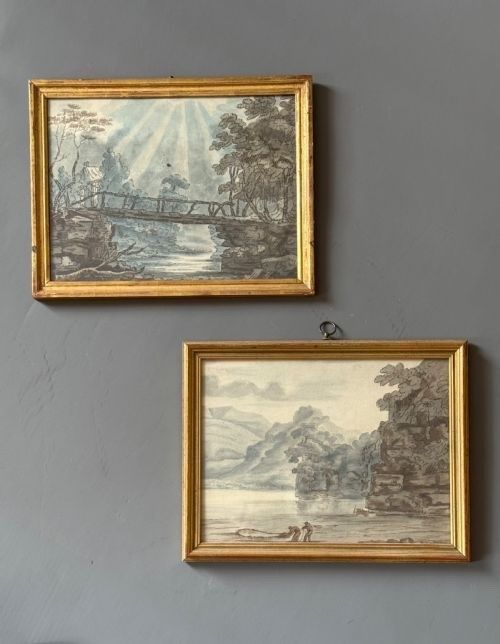
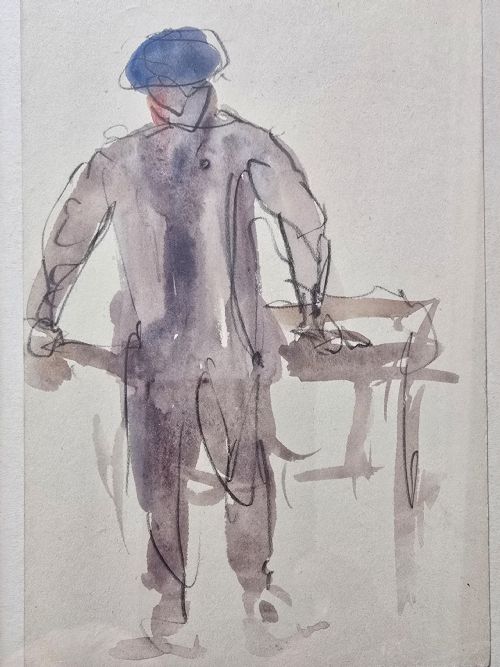
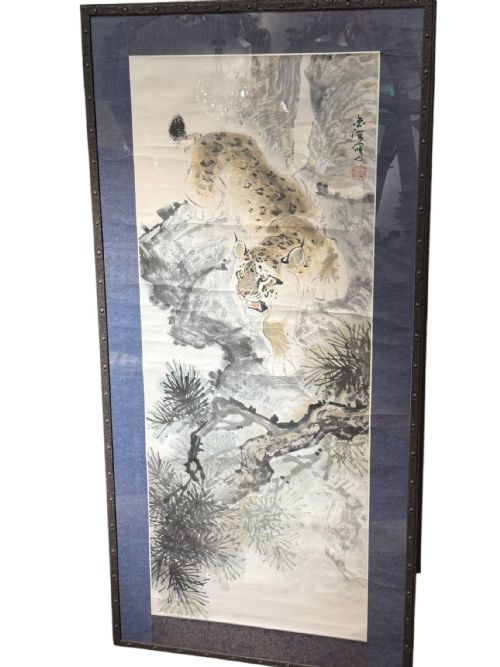
Framed ink wash art encompasses works on paper executed in black or sepia tones, frequently paired with watercolour, gouache, or graphite. These pieces span from eighteenth-century English and continental landscapes to twentieth-century British townscapes and traditional Chinese scrolls.
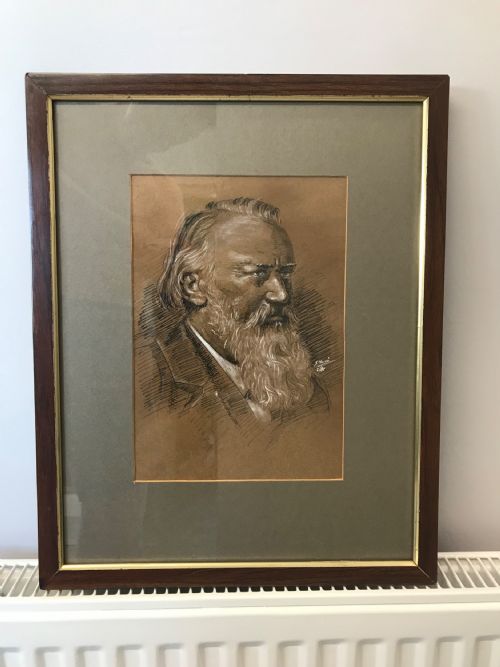
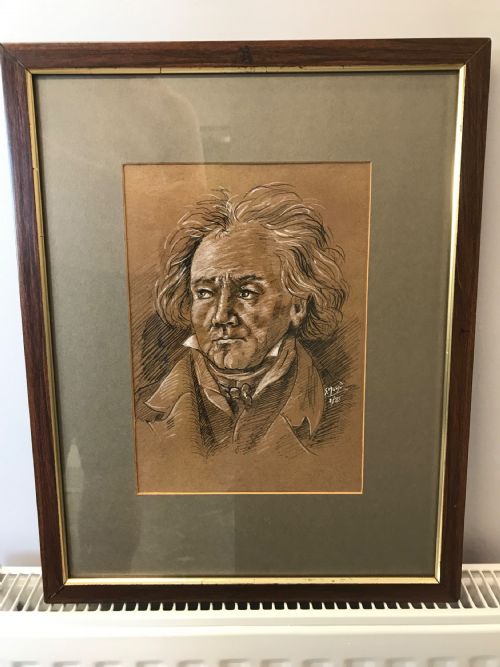
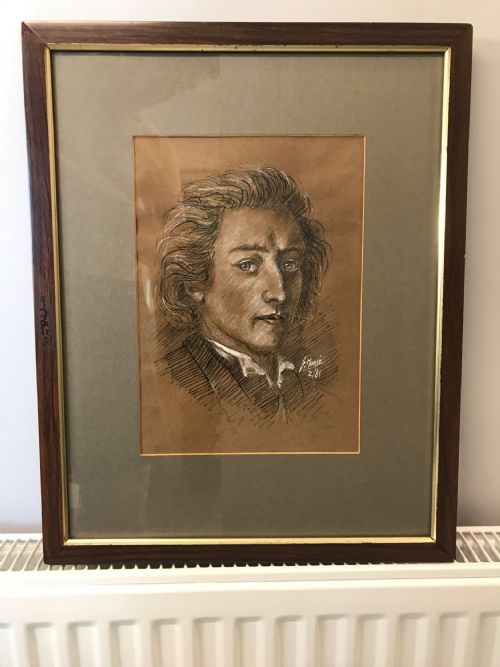
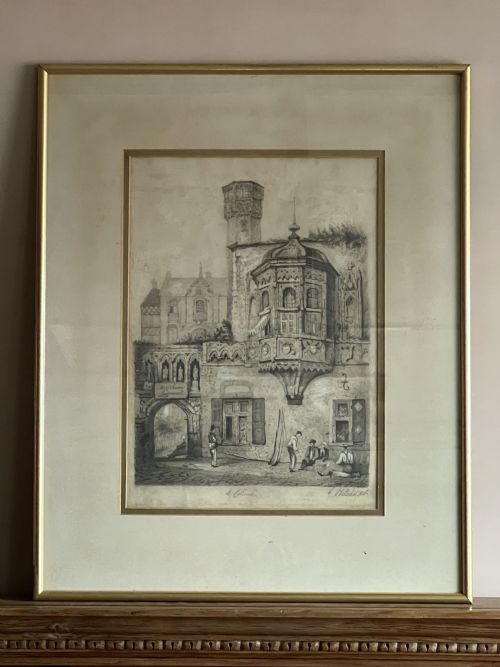
Buyers encountering this selection will discover framed drawings, original portraits of composers and writers, and architectural studies housed in wooden and gilded wood frames. The selection ranges from early equestrian drawings to mid-century Irish and British watercolours.
The physical form relies on paper supports mounted under glass to protect the delicate medium from atmospheric moisture. This protective framing ensures that fugitive ink and wash pigments survive across centuries.
Variations in quality
Quality rests upon the sureness of the draftsmanship and the subtlety of the tonal gradation achieved across the wash. Masterful control of diluted ink creates atmospheric depth and perspective without relying on heavy outlines.
The condition of the paper support and the clarity of the underlying media dictate the visual impact of the piece. Superior examples retain their original tonal contrast and sit within period frames that complement the work.
Framed Ink Wash Art Retail Price Guide 2026
Typical asking prices for framed ink wash art among the pieces listed under this phrase on Sellingantiques today, from the lower quarter to the upper quarter. They describe what is for sale here now, not the wider market.
Several artists documented the heavy labour of loading timber at the staithe long before anyone thought to frame the results.
Pio Panfili·Johan Noah Bemmel·Fred Lawson·Theobald Chartran·Thomas Lound
The Framed Ink Wash Art Glossary
- Ink wash
- A monochromatic painting technique where artist ink is diluted with water to create varying tonal gradations on paper. This method relies on the spontaneous application of the brush to define form and shadow.
- Gouache
- An opaque water-based paint composed of pigment, water, and a binding agent such as gum arabic. Artists use it alongside ink and wash to introduce solid highlights and opaque colour.
- Graphite
- A form of crystalline carbon used as a drawing medium for initial sketches beneath ink and wash layers. It provides precise linear marks that anchor the fluid washes.
- Scroll
- A length of paper or silk rolled onto cylinders, designed for traditional Asian artwork rather than rigid framing. These pieces are often mounted for display.
- Staithe
- A landing stage or wharf used for loading timber and goods, frequently depicted in nineteenth-century topographical drawings. The term appears in specific landscape titles.
Framed Ink Wash Art: Frequently Asked Questions
What is ink wash art?
Ink wash art involves applying black or brown pigment diluted in water onto paper to create tonal depth and shadow. Artists combine this technique with pen work and watercolour to build detailed monochrome or tinted compositions.
These pieces range from rapid preparatory sketches to finished exhibition watercolours, all preserved beneath protective glass and wooden frames.
How do I care for framed paper art?
Protect framed paper art by hanging works away from direct sunlight and high humidity, which cause fading and paper degradation. Maintaining a stable indoor climate prevents the paper support from warping within the frame.
Clean the glass gently with a dry microfiber cloth, avoiding liquid sprays that might seep beneath the rebate and damage the artwork.
Are these works original?
The selection comprises original hand-drawn and painted works on paper created by artists, draftsmen, and painters across various centuries. Each piece represents a unique execution rather than a mechanical reproduction.
Signatures, initialled monograms, and period paper characteristics help identify the hand of the maker or the specific era of production.
How are periods identified?
Periods are determined through stylistic analysis, artist biographical dates, signed inscriptions, and the physical characteristics of the paper and framing materials. Eighteenth and nineteenth-century works often display specific watermark evidence and tonal palettes distinct from later twentieth-century pieces.
Comparative study of period framing styles and contemporary documentation further confirm the date of execution.