



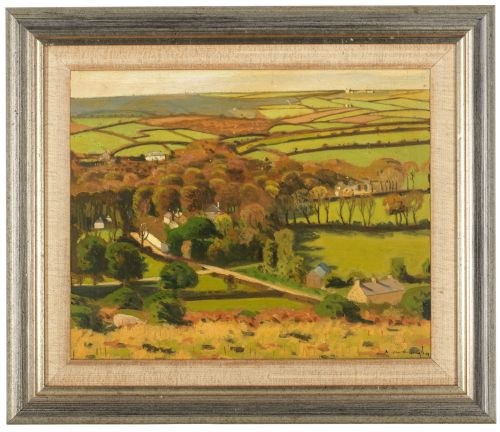
Framed Impressionist Artwork
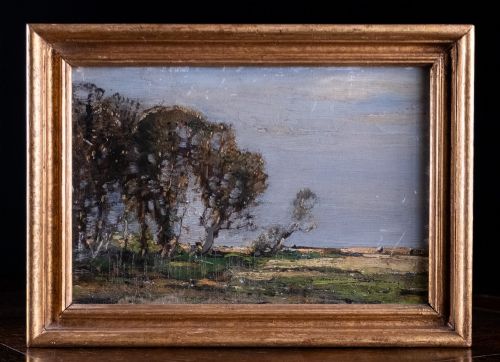
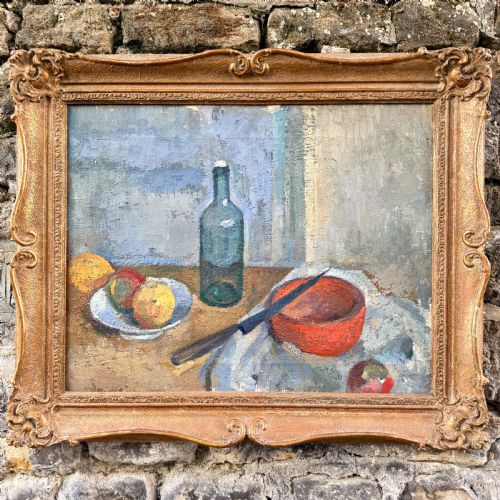
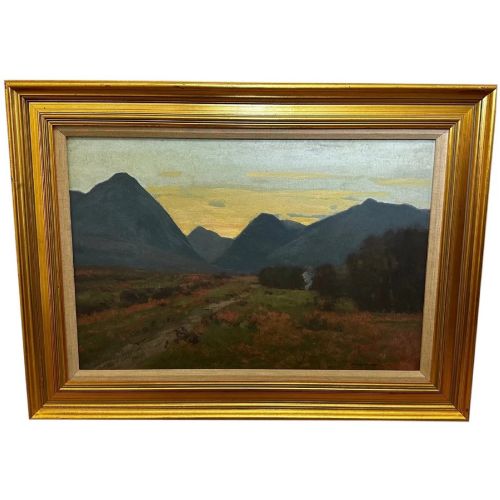
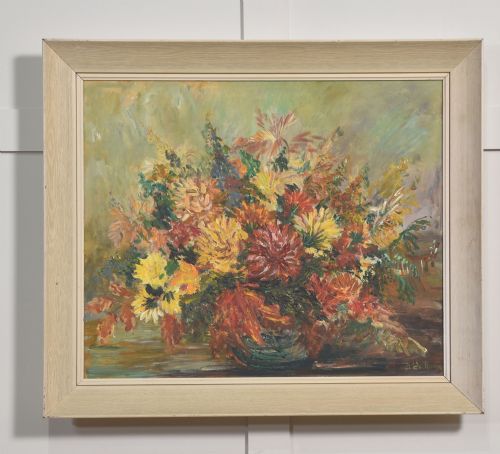
Framed impressionist artwork captures fleeting moments of light and atmosphere through textured brushwork and rich colour palettes.
Framed Impressionist Artwork
When you search for framed impressionist artwork, you encounter paintings that capture light, movement, and atmospheric conditions through loose brushstrokes rather than rigid academic precision. These pieces span the nineteenth century through to the mid-twentieth century and beyond, encompassing diverse regional movements such as British Impressionism, Post-Impressionism, and Scandinavian Realism.
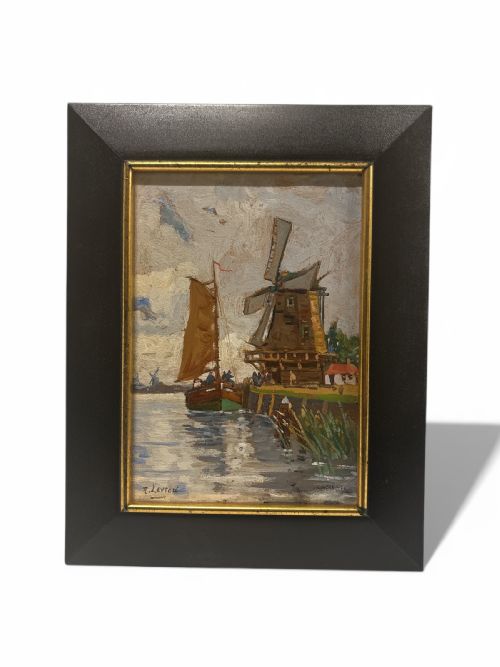
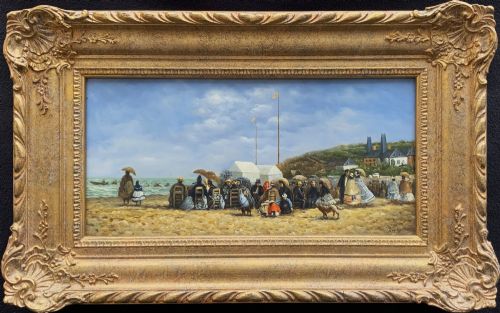
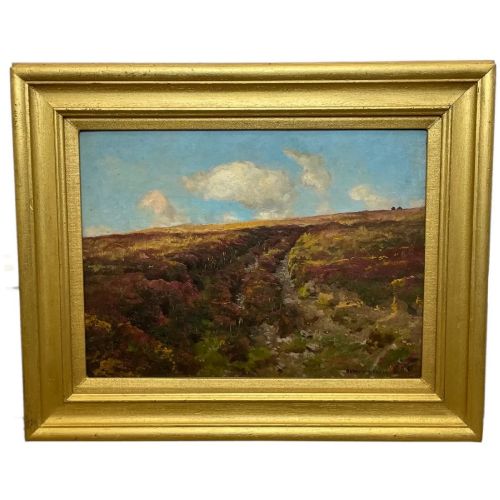
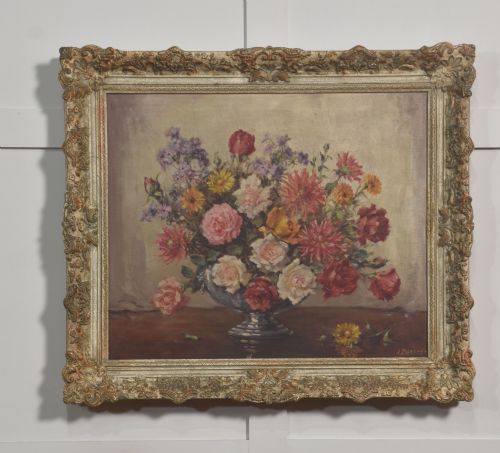
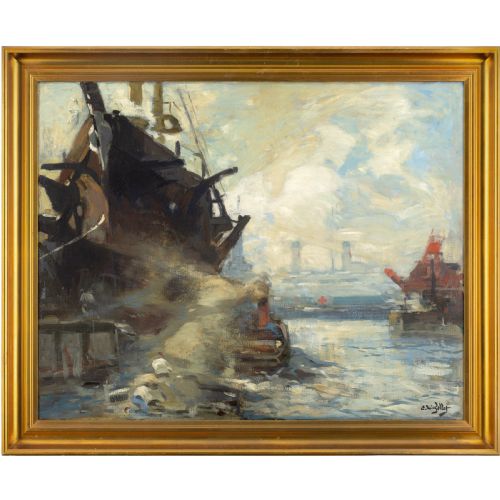
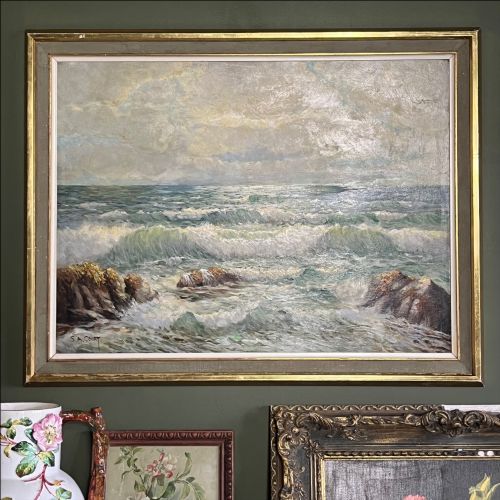
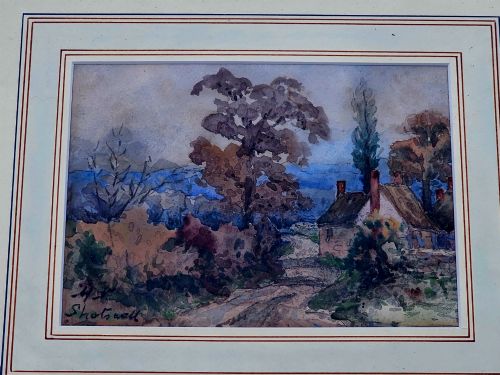
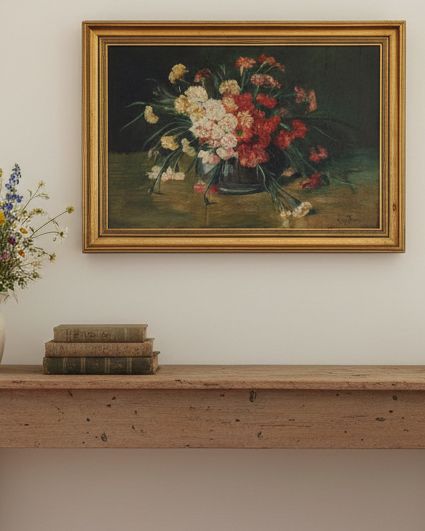
The most common formats you will meet on this page are oil paintings and watercolours executed on canvas, board, or paper. Subjects range widely from coastal marine scenes and tranquil rural landscapes to vibrant floral still lifes and urban street views.
Many of these works arrive housed in period frames, often constructed of wood with gilt finishes that complement the painterly textures within. The selection includes works by named European and British artists alongside pieces originating from unidentified schools.
How they were made
Artists typically applied oil paint or watercolour onto canvas, prepared wooden boards, or heavy paper, frequently working en plein air to record direct observations of natural light. The physical application relies on visible, rapid brushwork and impasto techniques where thick paint sits proud of the surface.
Supporting these painted surfaces are wooden frames, frequently enhanced with gilt leaf or moulded plaster ornament, designed to protect the edges and isolate the composition visually from its surroundings.
The selection includes coastal views from Cornwall and Italy alongside still lifes of roses and carnations.
What varies in quality
Quality in these paintings rests on the confidence and economy of the brushwork, where deliberate strokes convey form and light without unnecessary detail. The handling of tonal relationships and the luminosity of the palette distinguish accomplished works from more rigid academic exercises.
The integration between the artwork and its frame also matters greatly, as period gilt wood surrounds that harmonize with the scale and period of the painting elevate the overall presence of the piece.
Clifford Hanney·Arthur Wardle·Eugène-Louis Gillot·Kershaw Schofield·George Houston·Robert Morson Hughes·James Kay·Augusto Alberici·Gabriel Mathieu·Arthur Gué·Charles Houben·John Lübschitz·Lucy Pratt·Antonio DeVity·Paul Bret·Konstantin Stoitzner·Emma Fordyce MacRae
The Framed Impressionist Artwork Glossary
- Impasto
- Paint applied thickly to a canvas or board, standing in relief and retaining the marks of the brush or palette knife. This technique adds tactile dimension and catches ambient light.
- En plein air
- The practice of painting outdoors directly from nature to capture transient effects of light and weather. Painters using this method worked quickly before atmospheric conditions shifted.
- Gilt wood
- Wood surfaces coated with a thin layer of gold leaf or metallic powder, frequently used for traditional picture frames. It provides a warm reflective border that enhances the colours within the composition.
- Post-Impressionism
- An artistic movement following impressionism that extended its use of vivid colours and thick application while emphasising geometric forms or expressive content. Artists in this category pushed beyond optical recording toward personal symbolism.
Framed Impressionist Artwork: Frequently Asked Questions
Are the frames original to the paintings?
Many pieces retain period wooden frames, often finished in gilt, which suit the era of the canvas they enclose.
These surrounds vary from simple mouldings to ornate decorative designs that complement the texture of the oil or watercolour within.
How do I care for an oil on board?
Keep painted works away from direct sunlight and areas subject to sharp changes in temperature and humidity.
Dust the surface and frame gently with a dry, soft brush without applying liquid cleaners to the paint or gilt.
What is the difference between oil and watercolour?
Oils use pigment suspended in drying oils applied thickly to canvas or board, allowing for deep texture and layered corrections.
Watercolours rely on water-soluble pigments applied to paper, producing a luminous, transparent effect that highlights the support beneath.