

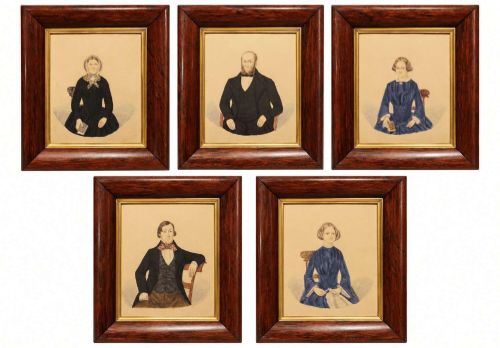
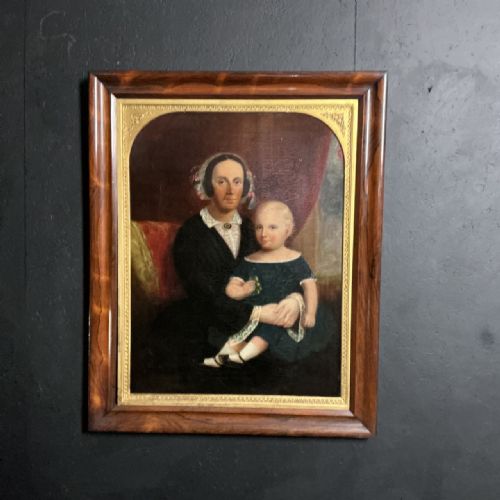
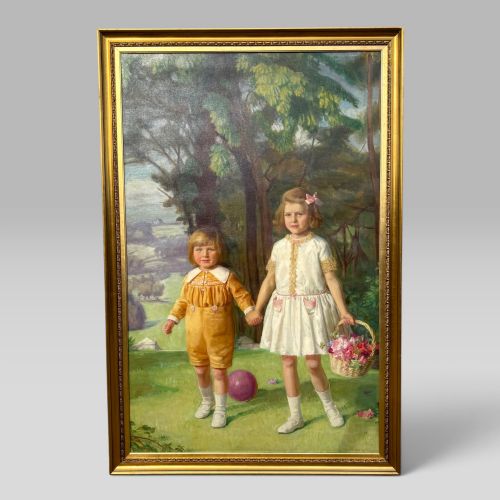
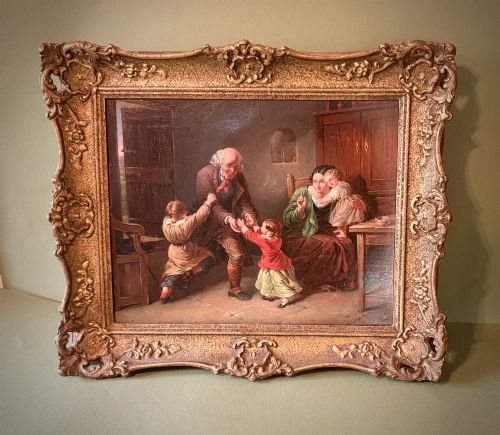

Framed Family Portrait
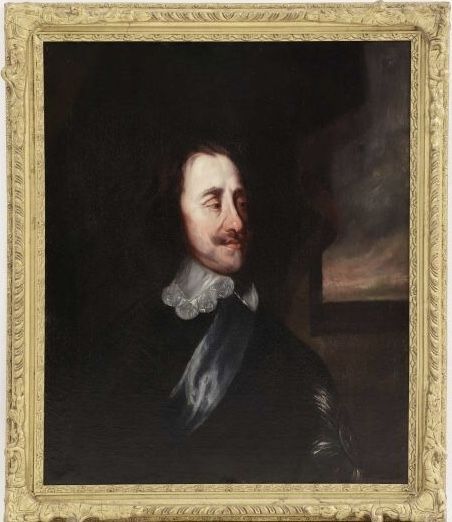
A framed family portrait brings centuries of domestic history into a room, capturing lineages in oil, watercolour, and silhouette.
Framed Family Portrait
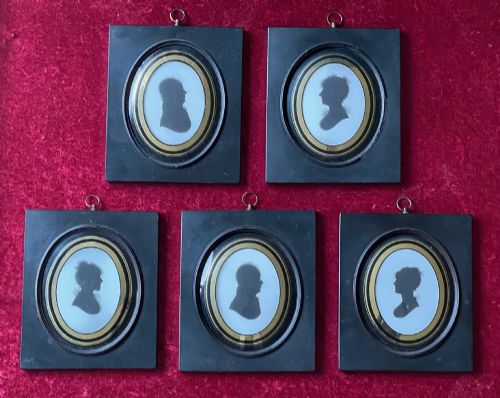
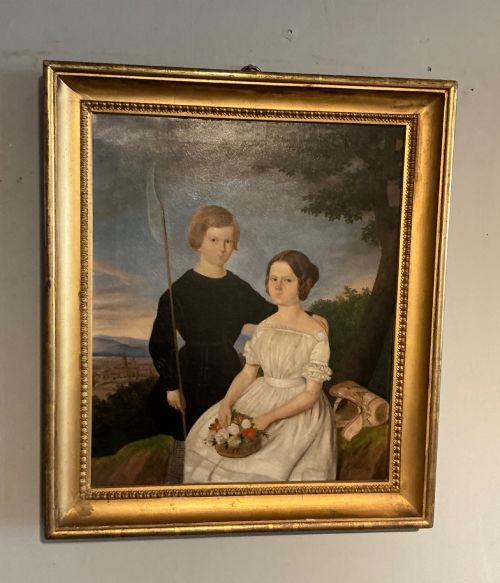
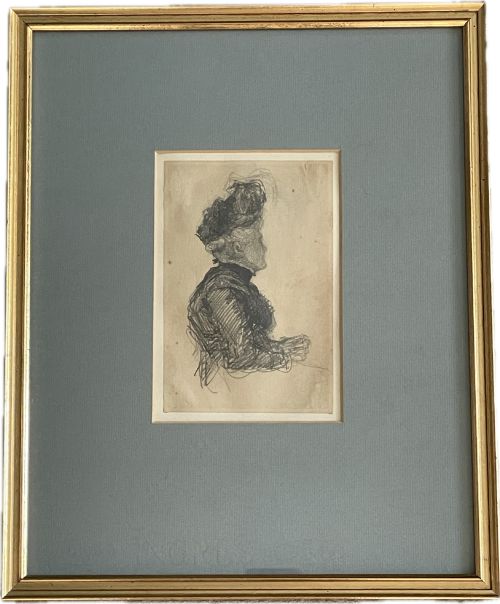
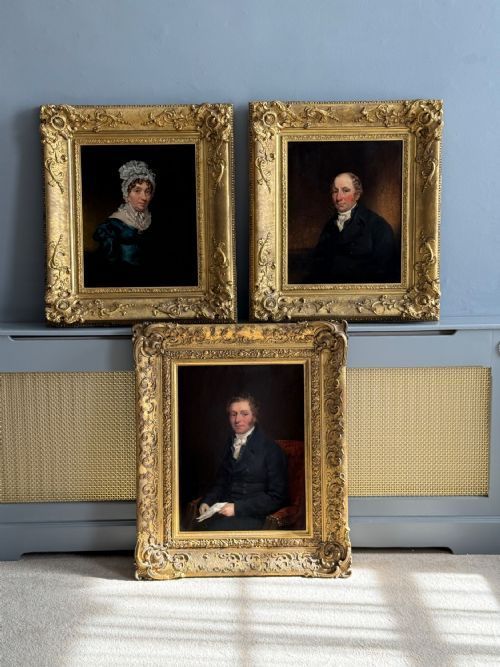
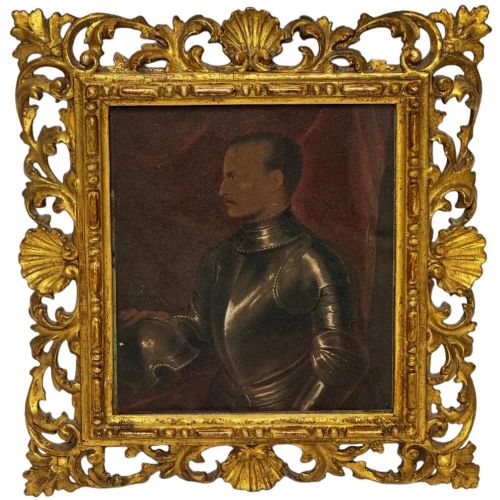
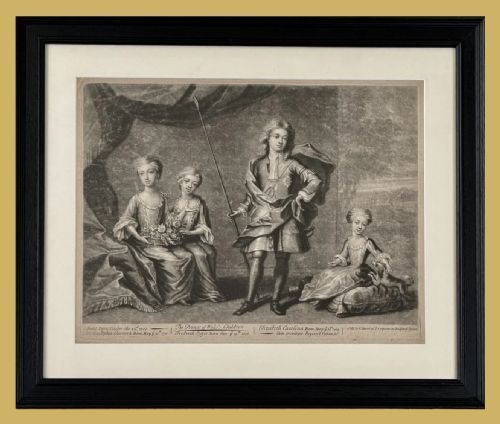
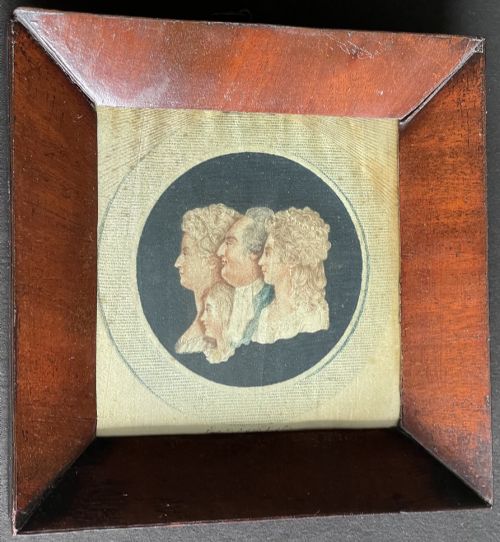
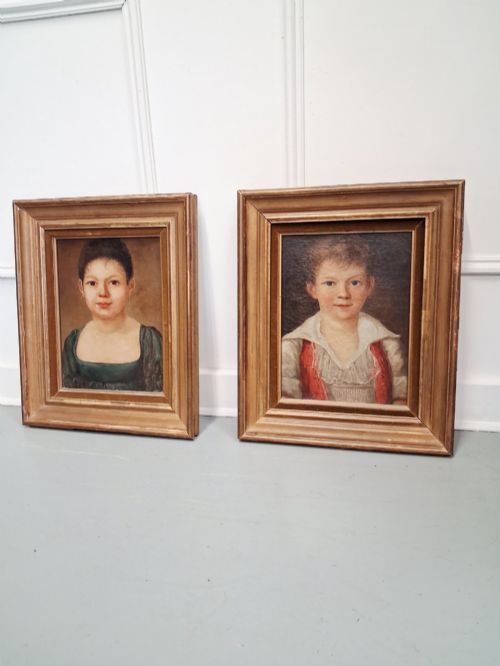
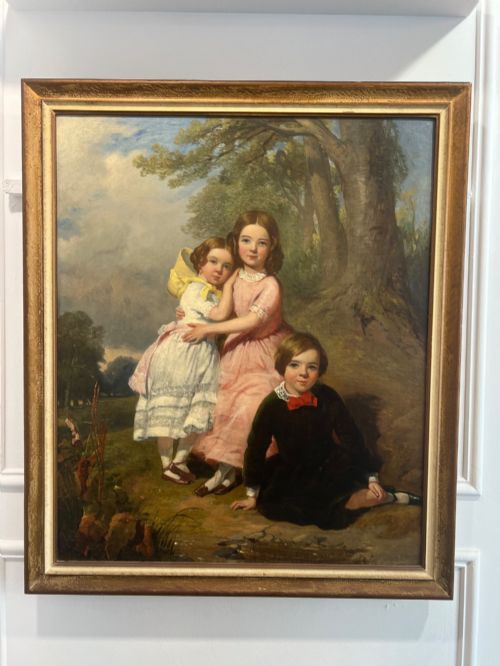
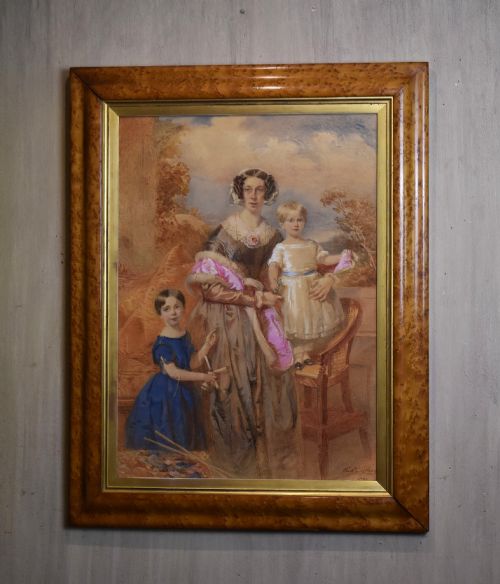
A framed family portrait spans domestic oil paintings, watercolours, silhouettes, and prints dating from the seventeenth century through to the mid-twentieth century. Buyers encounter depictions ranging from British aristocratic groups and Victorian children to Chinese ancestor paintings and intimate domestic scenes.
The material presentation often dictates the character of the piece, with works housed in period wooden frames, giltwood mouldings, and maple surrounds. Oil on panel and canvas predominate alongside delicate works on paper and silk.
Examples stretch across Georgian, Victorian, and Edwardian periods, frequently carrying the distinct hand of named artists or regional British and European schools.
Materials and construction
Painters utilised oil on canvas and wood panel, applying pigments with varied brushwork to capture fabrics, expressions, and interior settings. Watercolours and pastels on paper provide lighter, more immediate domestic records.
Framing forms an integral part of the survival of these pieces, employing carved giltwood, maple, and simple timber mouldings to protect the paper or canvas beneath glass.
Framed Family Portrait Retail Price Guide 2026
Typical asking prices for framed family portrait among the pieces listed under this phrase on Sellingantiques today, from the lower quarter to the upper quarter. They describe what is for sale here now, not the wider market.
Distinctions in execution
The fidelity of facial expression and anatomical proportion separates workshop output from master works. Superior examples render textiles, light, and individual likenesses with distinct psychological depth rather than formulaic repetition.
The originality of the mounting plays a central role, as period frames matching the exact age of the portrait preserve the integrity of the object.
George F. Bird·Joseph Clover·Frederick Tatham·Joseph Highmore·Charles Hayter·Hyacinthe Rigaud·Carl Adolf Mende·William Henry Knight·Pietzner Hof Atelier·William Egley·Alfred Darbyshire·James Ferguson·Antonio Allegri·Franz Xaver Winterhalter·Charles Philips·Michael Dahl
The Framed Family Portrait Glossary
- Oil on panel
- A painting executed on a wooden board rather than stretched fabric. This substrate offers a rigid support frequently utilised in earlier centuries.
- Silhouette
- A profile portrait cut from black paper or painted in ink on card or plaster. These profiles gained immense popularity during the Georgian and Victorian eras.
- Plumbago
- A drawing executed in graphite, taking its name from the Latin word for lead ore. Artists used this medium for highly detailed monochrome portraits.
- Mezzotint
- A printmaking process of the intaglio family where the plate is roughened to produce tones of grey and black. It allowed for subtle gradations of light in portraiture.
- Ancestor painting
- A formal commemorative portrait created within specific cultural traditions to honour lineage and deceased family members. These works often follow strict iconographic conventions.
Framed Family Portrait: Frequently Asked Questions
How do I date a framed family portrait?
Dating relies heavily on costume, hairstyle, and the construction methods of the frame and backing board. Examining the materials, such as canvas weave or panel thickness, provides further chronological context.
Signatures, inscriptions, and artist attributions noted on the reverse or within the composition offer direct links to active periods of production.
What is an ancestor painting?
Ancestor paintings are formal commemorative works produced to document family lineages and honour forebears. They often depict subjects in prescribed poses with symbolic attributes.
These works hold significance in both Eastern and Western traditions, serving as visual records of familial continuity.
Where should I hang a portrait?
Portraits require placement away from direct sunlight and excessive humidity to protect fragile pigments, paper, and wooden panels. Stable indoor environments prevent the warping of wood and the fading of watercolours.
Displaying them at eye level in principal rooms allows the fine details of expression and period framing to be appreciated properly.