



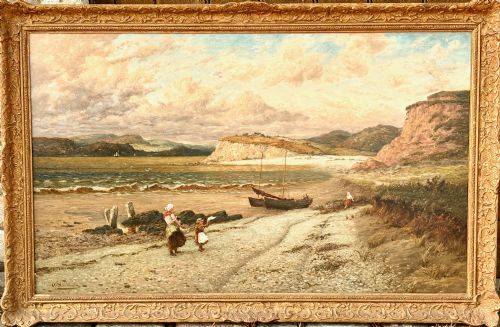
Framed Coastal Seascape
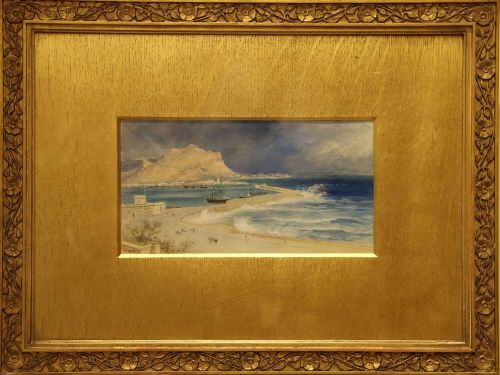
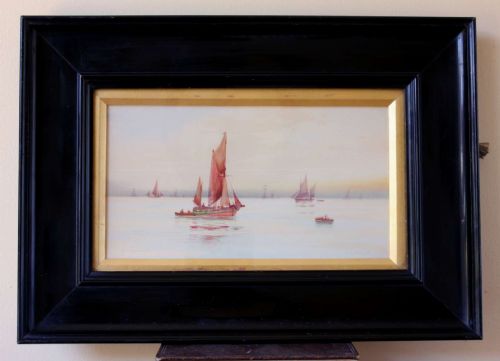
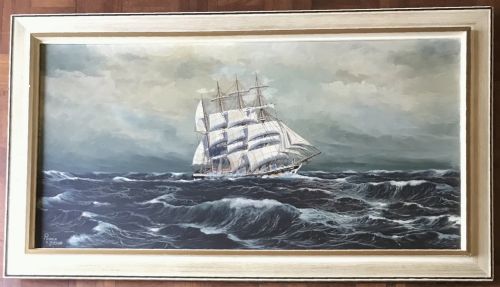
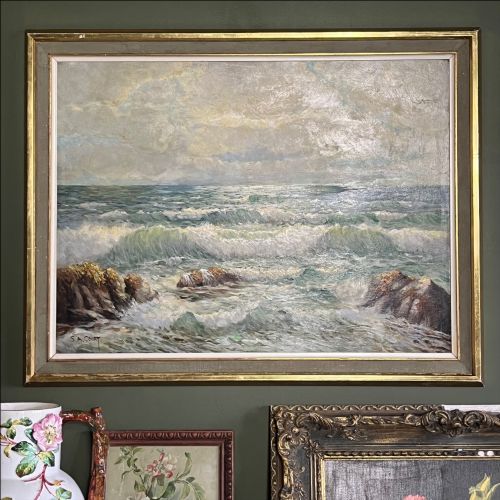
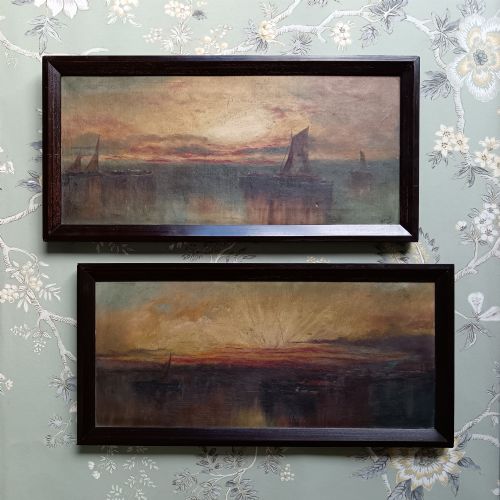
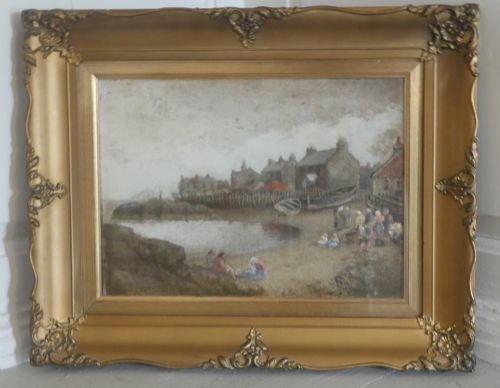
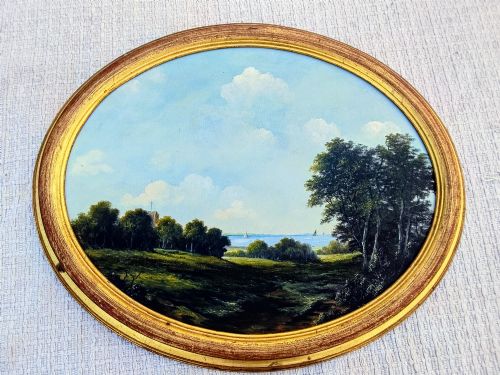
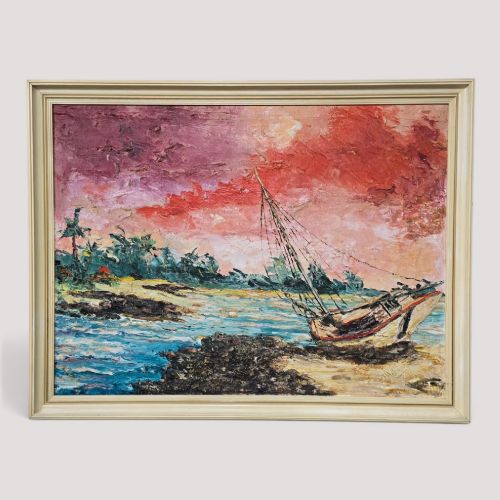
A framed coastal seascape captures the movement of tides and the breadth of open water, bringing the atmosphere of shorelines into a room.
Framed Coastal Seascape
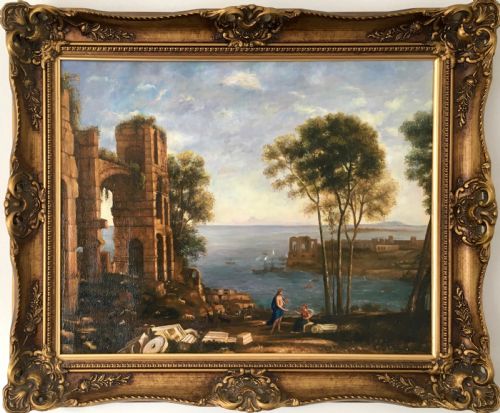
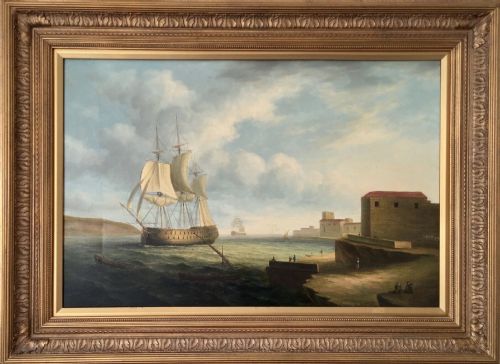
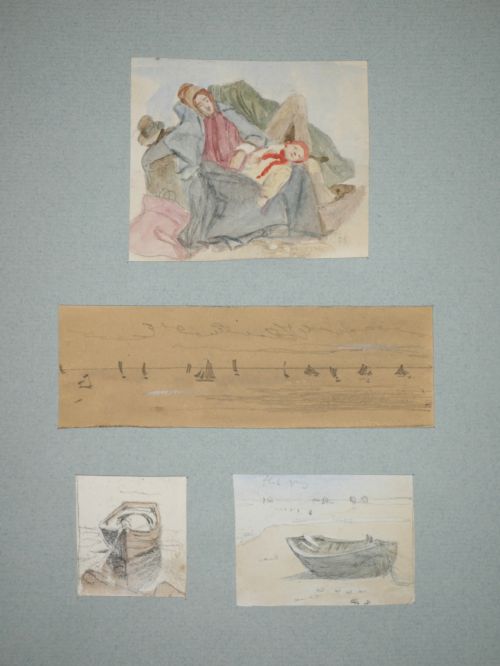
When you search for a framed coastal seascape, you encounter artworks that record harbours, fishing boats, and coastal cliffs from the nineteenth century onwards. These works range from watercolours on paper to substantial oil paintings on canvas, reflecting changing interpretations of the sea.
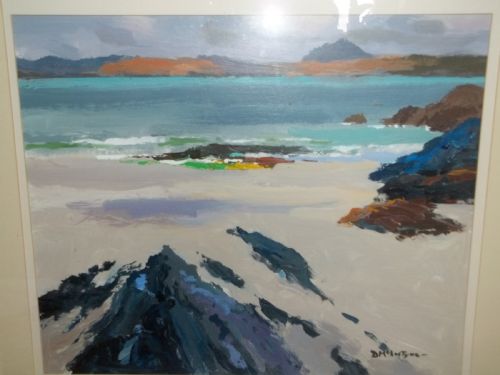
The selections available span periods from the Victorian era through British Impressionism and into mid-century modern interpretations. You will find scenes depicting specific locations such as St Ives, Cornwall, and Whitby, alongside broader views of open water.
Most compositions focus on maritime activity, showing vessels navigating coastal waters or resting in harbour scenes. These works offer a direct connection to historical coastal life through varied painterly approaches.
How they were made
Artists utilised oil paint on canvas or board to build textured surfaces that capture the heavy movement of waves and shifting skies. Watercolours on paper appear frequently, often executed en plein air to record immediate atmospheric effects along the shore.
Frames constructed of wood, frequently finished with gilt, enclose these works to protect the edges and complement the composition. The combination of traditional pigments and supportive wooden supports ensures the durability of these maritime depictions.
Materials recorded across the selection include canvas, paper, wood, glass, and gilt wood framing.
What varies in quality
Quality rests in the artist's handling of light and maritime atmosphere, distinguishing competent topographical recording from compelling visual depth. Works that effectively convey the motion of water and weather conditions demonstrate superior technical execution.
The integration of the painting with its original or period wooden and gilt frame influences the overall integrity of the piece. Superior examples maintain a harmonious relationship between the canvas and its protective housing.
James Hardy·James Orrock·Clifford Hanney·James Smetham·Sidney A Court·B Nash·Edward Mills·William Banks Fortescue·Bonaventura Peeters·Clive Browne·Peter Brannan·Bernard Benedict Hemy·Thomas Creswick·Lucy Pratt·James Fry·Ethel Sands·TB Hardy·Cecil Allan Mould·Charles Euphraisie Kuasseg·John Wilson Carmichael·Joseph Farquharson·Erich Mercker·John Moore of Ipswich·William Matthison·William Henry Williamson
The Framed Coastal Seascape Glossary
- En plein air
- Painting outdoors to capture natural light and direct observation. This approach became prominent in the nineteenth century.
- Gilt wood
- Wood covered with a thin layer of gold leaf or gilt finish. Frames utilise this technique to enhance the artwork.
- Watercolour
- Pigments suspended in a water-based solution applied to paper. These works require glass for protection.
- Maritime
- Depicting the sea, ships, or coastal areas. This term encompasses both calm harbours and turbulent open waters.
Framed Coastal Seascape: Frequently Asked Questions
How do I date a coastal painting?
Dating relies upon the materials used, the style of the clothing or vessels depicted, and signatures or framing details. Canvas types and stretcher construction also offer chronological clues.
Comparison with documented works by known artists or registered exhibition dates helps narrow the period of execution.
How should I hang a framed seascape?
Position these works away from direct sunlight to protect watercolours and oil pigments from fading. Ensure the wall fixings match the weight of the wooden and gilt frames.
Allow sufficient clearance from heat sources to prevent the wood and canvas from drying out over time.
What is the difference between oil and watercolour?
Oil paintings utilise slow-drying pigments suspended in oil, allowing for thick impasto and textured brushwork. Watercolours employ transparent washes on paper, offering a lighter and more luminous finish.
Oils are typically stretched on canvas or mounted on board, whereas watercolours require protection beneath glass.