

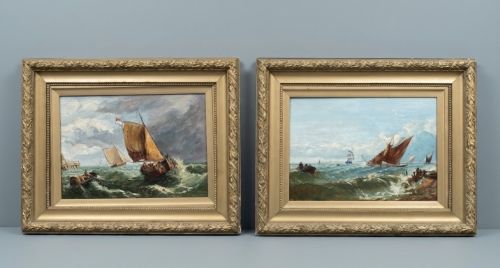
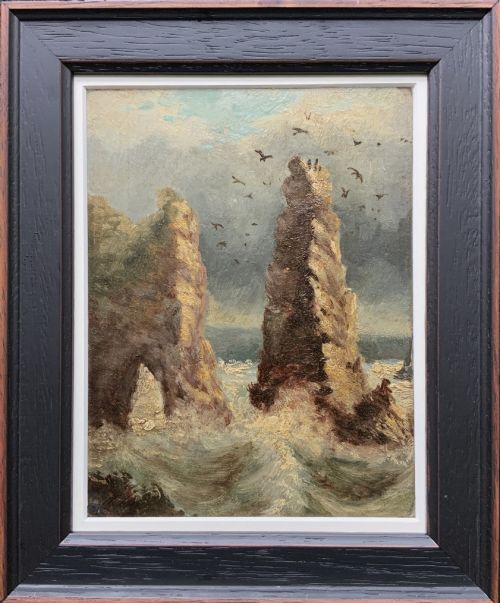
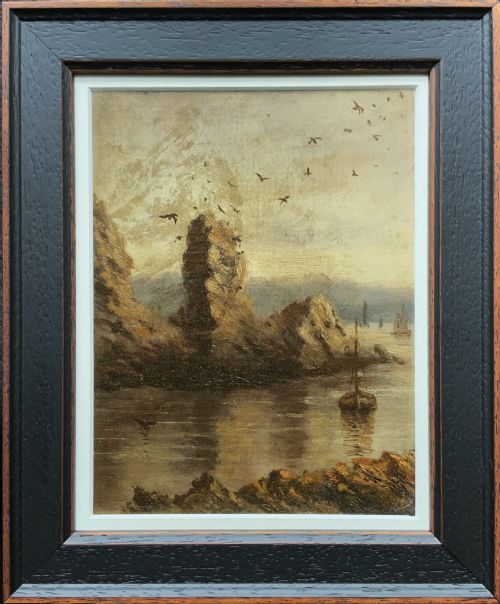
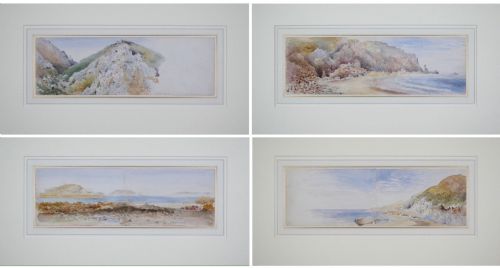
Framed Coastal Art
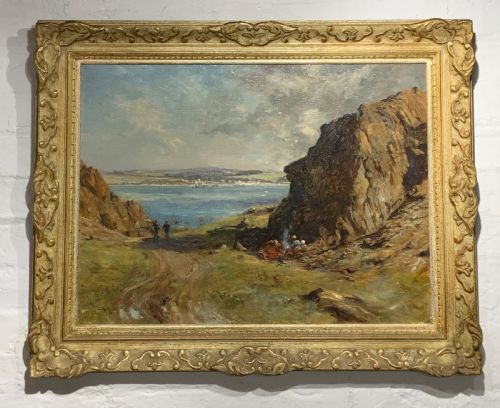
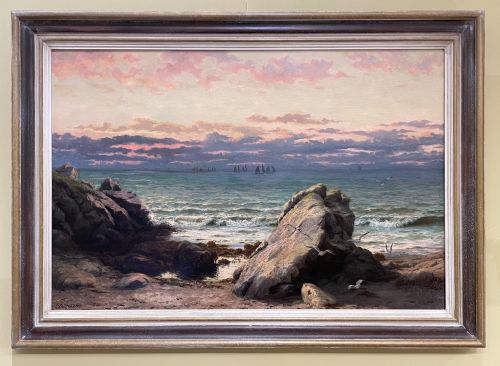
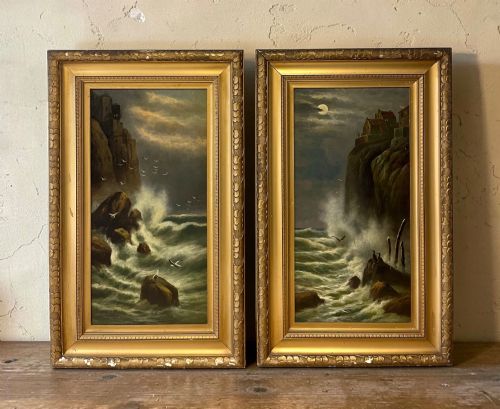
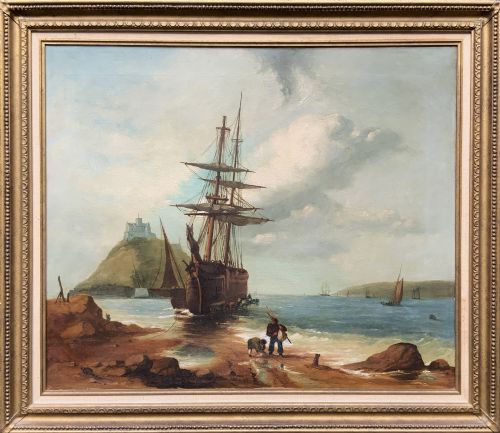
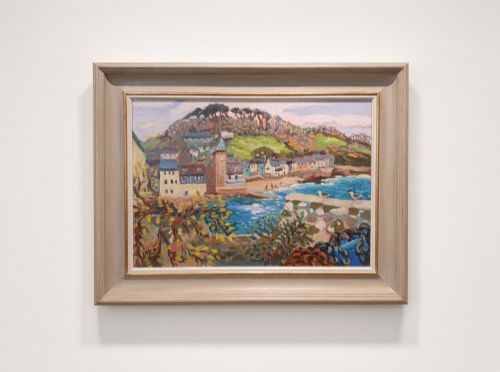
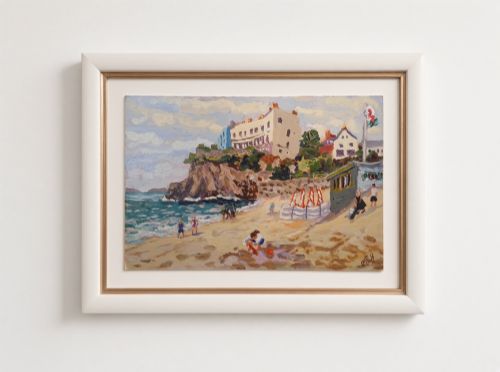
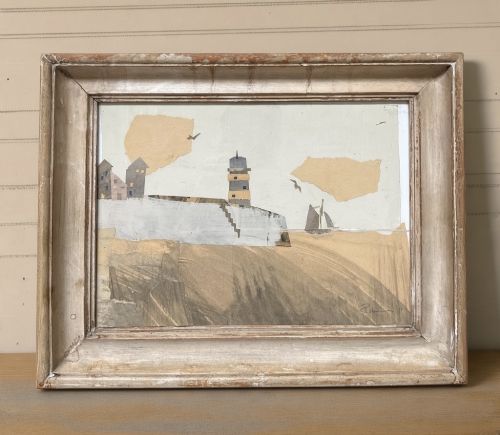
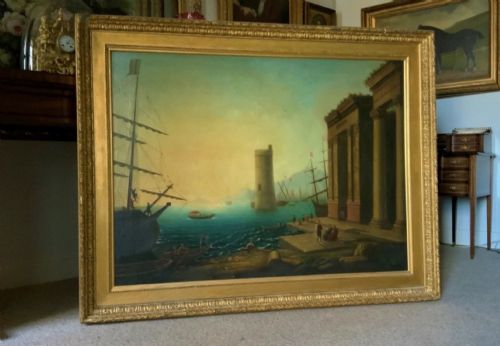
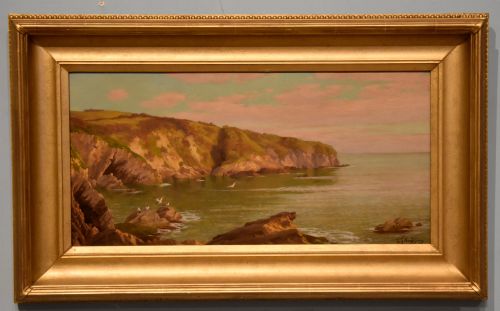
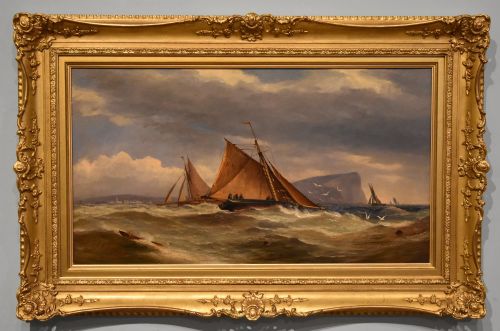
Framed coastal art brings the sea, shorelines and harbours into a room through oil paint and watercolour on canvas, paper and panel.
Framed Coastal Art
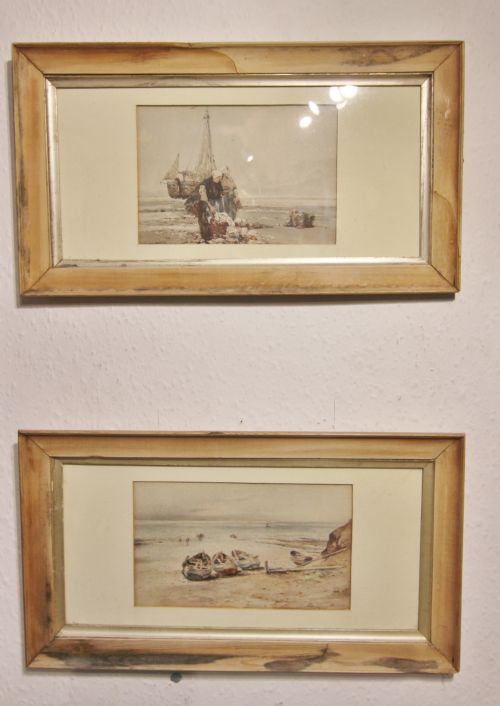
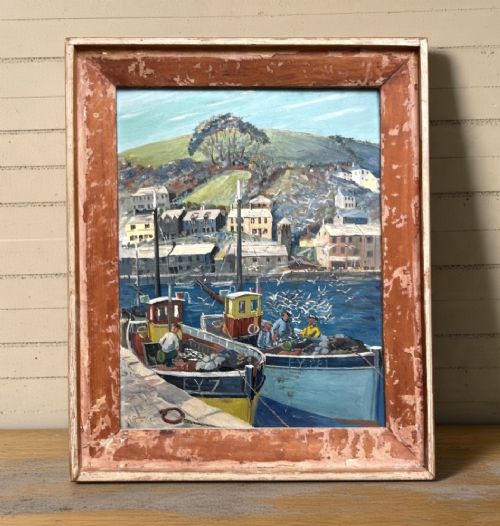
When you search for framed coastal art, you encounter oil paintings, watercolours and drawings depicting beaches, fishing boats, stormy seas and harbours.
The selections span the nineteenth century, Edwardian era and mid-century modern periods, reflecting British, Dutch and Italian coastal scenes.
Most examples arrive ready to hang in period wood frames, often with gilt finishes that complement the maritime subject matter.
Materials and construction
Artists apply oil paint or watercolour onto prepared canvas, wood panel or paper supports, occasionally working en plein air directly on location.
Works are typically protected behind glass in the case of watercolours, or unglazed with varnished surfaces for oils on canvas and board.
Frames are constructed from wood, with many pieces incorporating gilt wood moulding or later decorative elements such as shellwork.
Framed Coastal Art Retail Price Guide 2026
Typical asking prices for framed coastal art among the pieces listed under this phrase on Sellingantiques today, from the lower quarter to the upper quarter. They describe what is for sale here now, not the wider market.
Listings feature works spanning the nineteenth century through to the mid-twentieth century, utilising oil paint, watercolour, canvas, paper and gilt wood.
Evaluating quality and execution
The standard of a piece rests upon the artist's handling of light, atmosphere and water movement, distinguishing capable academic work from stiffer commercial production.
Materials contribute significantly to longevity, with stable canvas grounds and well-preserved paper supporting the pigment without excessive degradation.
The integrity of the frame matters, as original or period-appropriate wood and gilt surrounds preserve the visual context of the artwork.
Donald McIntyre·Thomas Creswick·James Fry·William Banks Fortescue
The Framed Coastal Art Glossary
- En plein air
- Painting outdoors to capture natural light and atmospheric conditions directly. This method produces immediate, responsive depictions of coastal weather.
- Gilt wood
- Wood carved and coated with gold leaf or metallic paint. It provides a reflective border that enhances the tones within marine paintings.
- Watercolour
- Pigment suspended in a water-based solution applied to paper. It creates transparent washes well-suited to luminous sea and sky views.
- Marine painting
- Artwork depicting ships, harbours, coastal landscapes and open water. This genre ranges from historical naval battles to quiet fishing village scenes.
Framed Coastal Art: Frequently Asked Questions
How do I date a framed coastal painting?
Examine the materials of the support and frame, along with any signatures, inscriptions or labels on the reverse. Stylistic indicators such as clothing styles in figures or the type of canvas stretcher also help narrow the decade.
Compare the pigment application and framing methods with known examples from specific periods like the nineteenth century or mid-century modern era.
Should coastal watercolours hang in direct sunlight?
Watercolours are sensitive to ultraviolet light and fading, so they require placement away from direct sunbeams. Using UV-filtering glass during framing provides additional protection for works on paper.
Keep the room humidity stable to prevent paper warping and foxing spots from developing across the sky or sea.
What is the difference between oil on canvas and oil on board?
Oil on canvas involves stretched fabric fixed to a wooden frame, offering slight give and a textured surface. Oil on board uses a rigid wooden or composition panel substrate, which creates a completely flat working surface.
Both methods were common across different periods, though boards frequently appear in smaller plein air sketches.
How do I clean an antique oil painting frame?
Dust gilt wood frames gently with a soft, dry brush to remove surface particles without disturbing delicate gilding. Avoid using liquid cleaners or household detergents, which strip metallic leaf.
Professional conservators should handle any deep cleaning of soiled varnish or damaged gesso mouldings.