




Framed Chinese Textile Art
Framed Chinese textile art brings historical needlework into modern interiors, offering intricate silk panels and rank badges preserved behind glass.
Framed Chinese Textile Art
Buyers examining framed Chinese textile art encounter pieces spanning the nineteenth century through the early twentieth century, including the Qing Dynasty and Qing Dynasty Style periods. These works primarily take the form of textile art, wall art, framed textiles, and framed wall art.
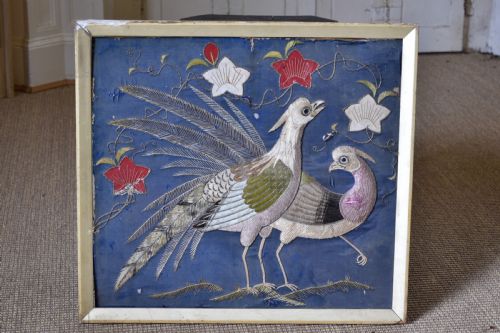
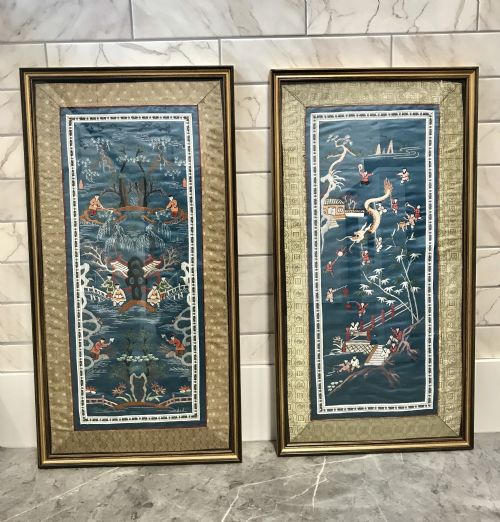
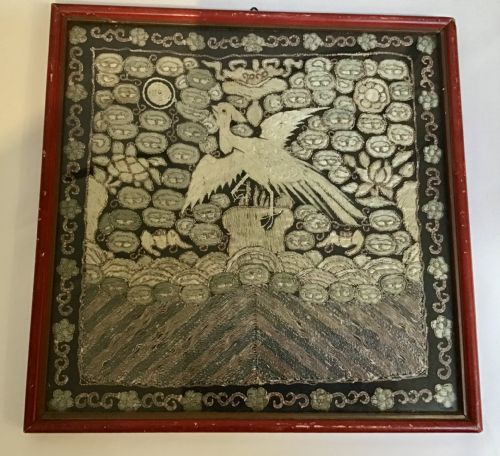
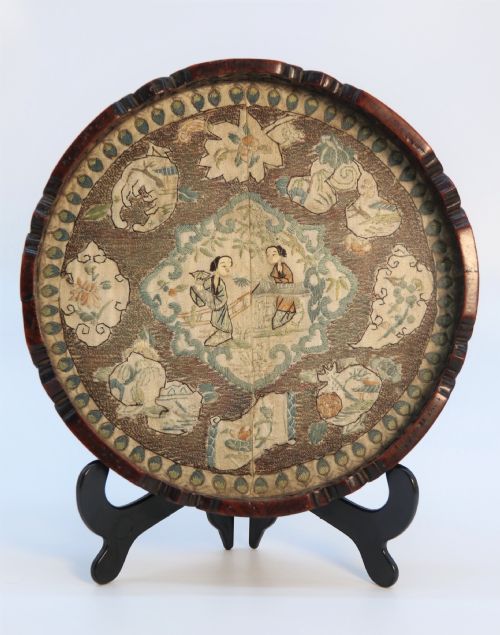
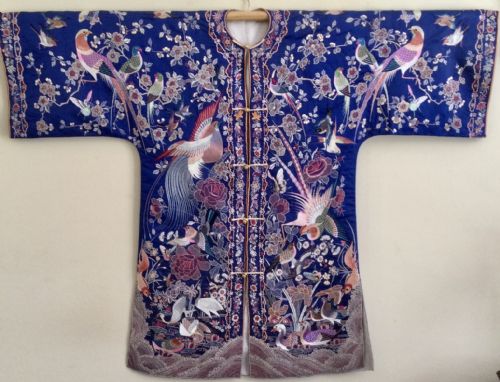
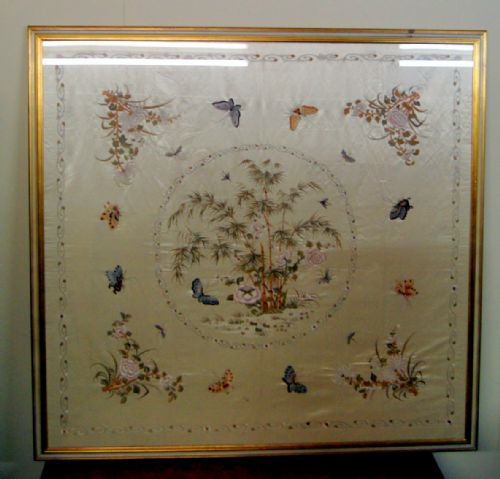
The most frequent examples on this page are embroidered panels featuring figures, dragons, trees, flowers, garden birds, and mandarin ducks, alongside silk rank badges and children's robes. Additional forms include hand painted silk paintings and carved hardwood and silk embroidered trays adapted for display.
How they were made
Maker workshops utilised fine silk fabrics combined with metallic thread and pigment, applying hand sewn embroidery techniques to render detailed pictorial scenes. Skilled hands executed these compositions with precision before mounting the textiles.
Framing typically involved wood, gilt wood, and glass to protect the delicate needlework and painted surfaces from environmental damage. Trays incorporated carved hardwood structures fitted with glazed textile inserts.
Framed Chinese Textile Art Retail Price Guide 2026
Typical asking prices for framed chinese textile art among the pieces listed under this phrase on Sellingantiques today, from the lower quarter to the upper quarter. They describe what is for sale here now, not the wider market.
Mandarin ducks embroidered on these panels remind viewers of lifelong fidelity, having worked their way out of imperial ponds and into nineteenth-century drawing rooms.
What varies in quality
Quality depends upon the complexity of the needlework and the fidelity of the pictorial design, separating standard decorative panels from works executed to the highest standard. Finer execution shows in the density of the stitching and the treatment of subjects such as dragons and birds.
The physical presentation also dictates worth, particularly the condition of the silk ground and the craftsmanship of the surrounding wooden frames or trays. Intact glazing and original mounting materials preserve the integrity of the textile beneath.
The Framed Chinese Textile Art Glossary
- Qing Dynasty
- The final imperial dynasty of China, lasting from sixteen forty-four until nineteen twelve. Pieces from this era often display traditional court symbols and formal motifs.
- Rank badge
- A square embroidered patch worn by officials to denote their status in the imperial hierarchy. These symbols of civil and military office are frequently mounted for display.
- Chinoiserie
- A European artistic style reflecting Chinese motifs and techniques. It appears alongside genuine Qing Dynasty works in historical collections.
- Metallic thread
- Flat strips of gilt metal or wrapped core threads used to add gleaming outlines to embroidery. This material highlights imperial dragons and floral details.
- Silk
- A natural protein fibre harvested from silkworms, forming the foundational ground for these embroideries and paintings. Its lustrous surface accepts fine needlework and pigment.
Framed Chinese Textile Art: Frequently Asked Questions
How do I hang framed textiles safely?
Position pieces away from direct sunlight to prevent the silk fibres and pigments from fading over time. Maintain stable room humidity to protect both the antique fabric and its wooden frame.
Ensure the wall fixings match the weight of the hardwood frame and glass. Professional picture hooks distribute the load securely.
What periods do these textiles represent?
The available selection spans the nineteenth and early twentieth centuries, capturing late Qing Dynasty output and subsequent production eras. Dates range from eighteen sixty through nineteen twenty.
Nineteenth-century examples often feature traditional court iconography and dense hand stitching. Later pieces reflect evolving decorative tastes while maintaining traditional hand-sewn methods.
What subjects appear in these embroideries?
Common subjects include imperial dragons, garden birds, mandarin ducks, figures, trees, and floral arrangements. Rank badges display specific animals indicating official government rank.
Symbolic flora and fauna carry traditional wishes for longevity, prosperity, and harmony. Each motif reflects the cultural context of its creation.