
Framed British Wall Art
When you search for framed british wall art, you encounter centuries of painting and portraiture preserved within wood, glass, and gilt frames.
Framed British Wall Art
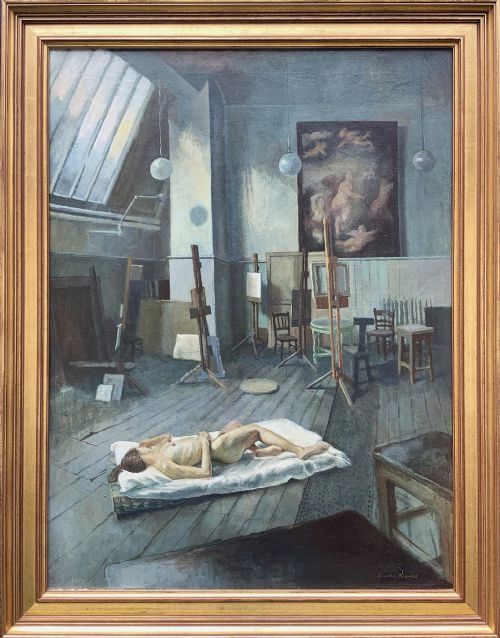
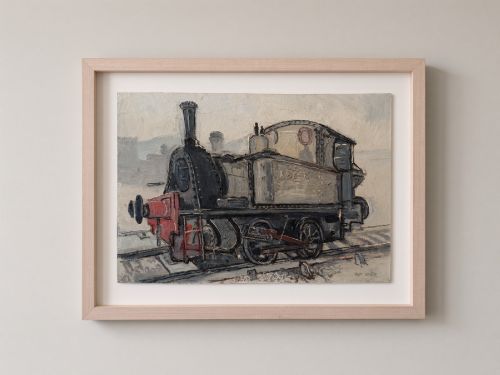
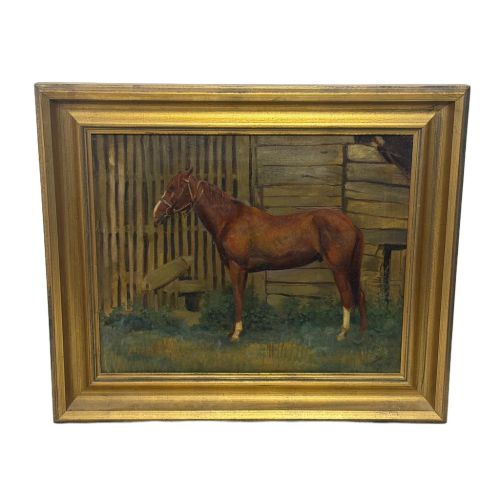
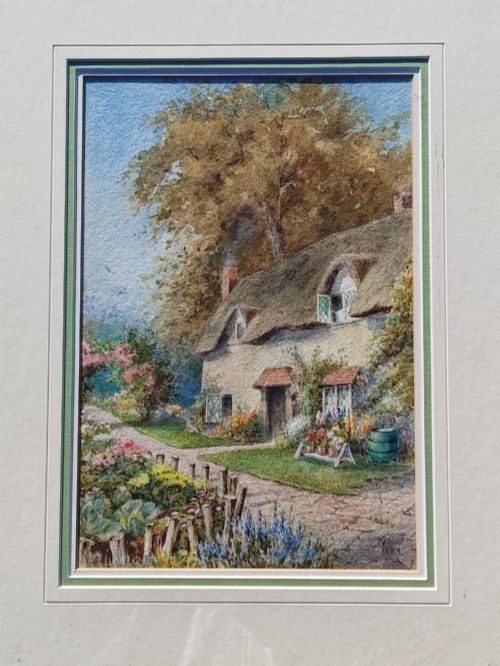
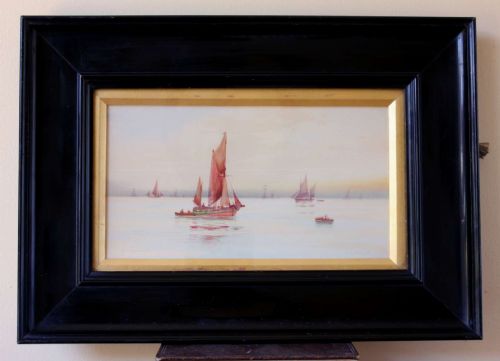
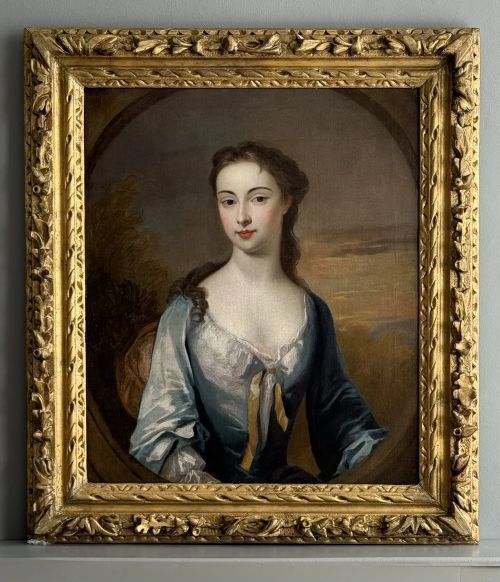
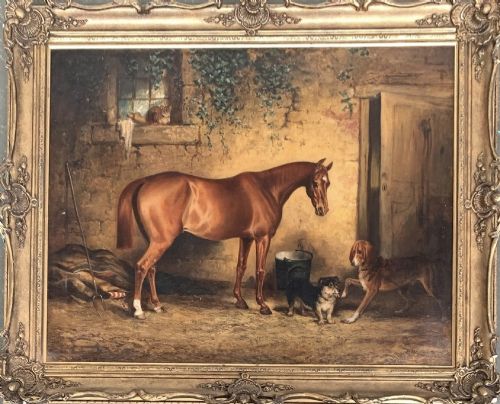
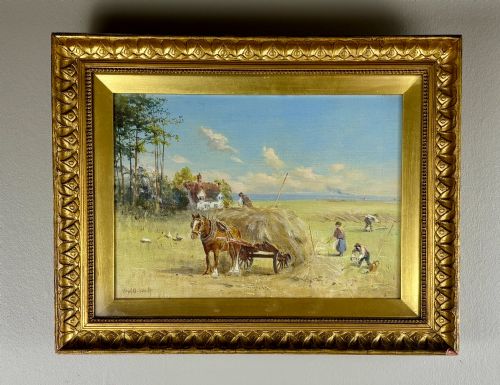
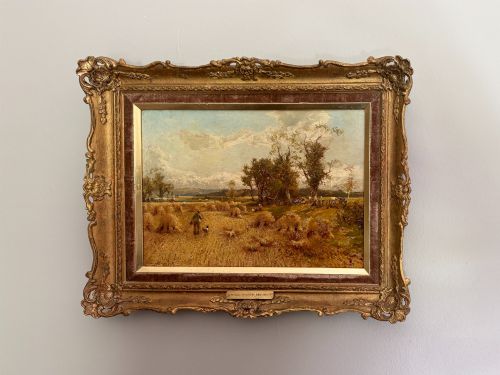
Framed british wall art encompasses centuries of creative expression, ranging from grand seventeenth-century oil portraits to coastal watercolours and mid-century landscapes. The pieces found here span multiple periods, including the Victorian era, the Edwardian period, and the eighteenth century.
Buyers will encounter diverse formats, such as oil paintings on canvas or board, delicate paper watercolours, pastel portraits, and printed mezzotints. Many examples retain their original protective surrounds, varying from simple wooden moulding to ornate giltwood frames.
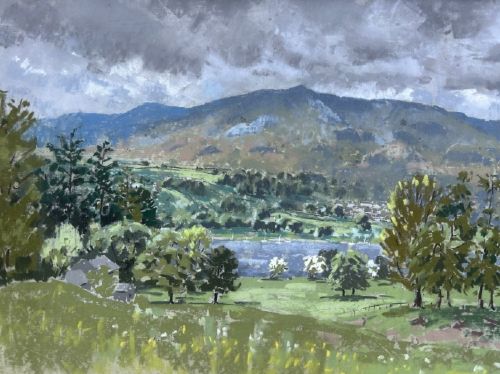
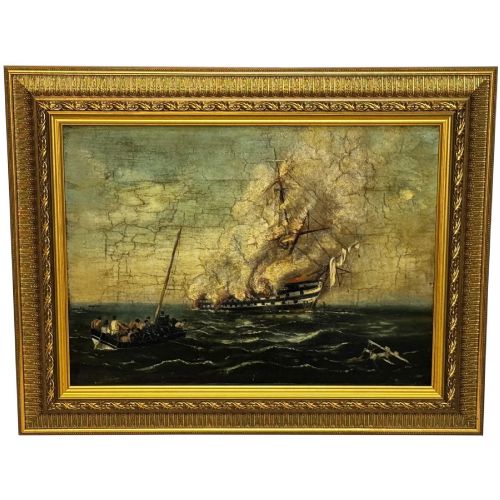
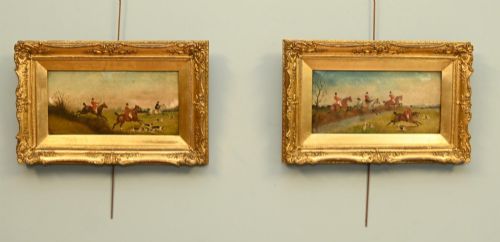
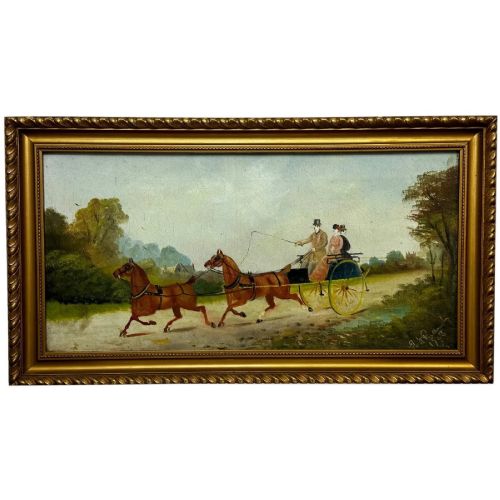
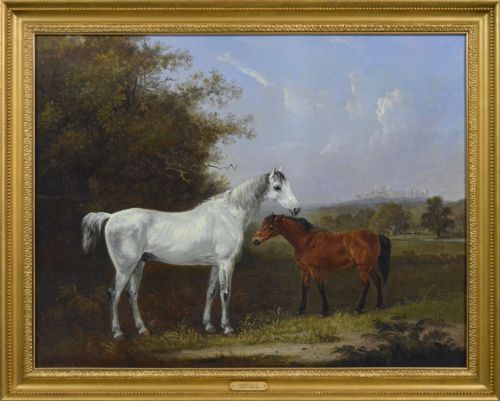
The subjects reflect the changing preoccupations of British society across generations, moving from aristocratic likenesses and royal portraiture to rural landscapes, pastoral scenes, and maritime views. Works frequently document specific locales, from Cornish harbours to Scottish coastal havens.
Materials and Techniques
Artists relied upon oil paints applied to canvas or wood board, alongside watercolours and pastels worked on paper. Ground pigments blended with oils allowed for deep, layered tones in landscapes and portraits, while watercolours captured lighter, atmospheric effects.
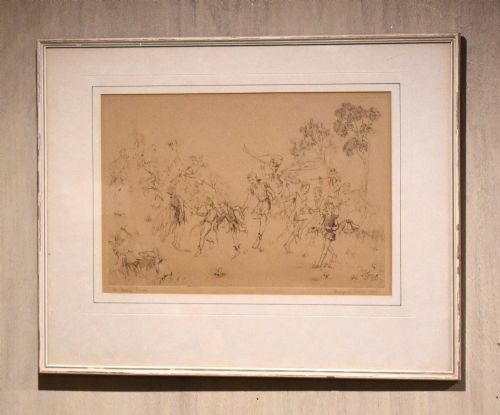
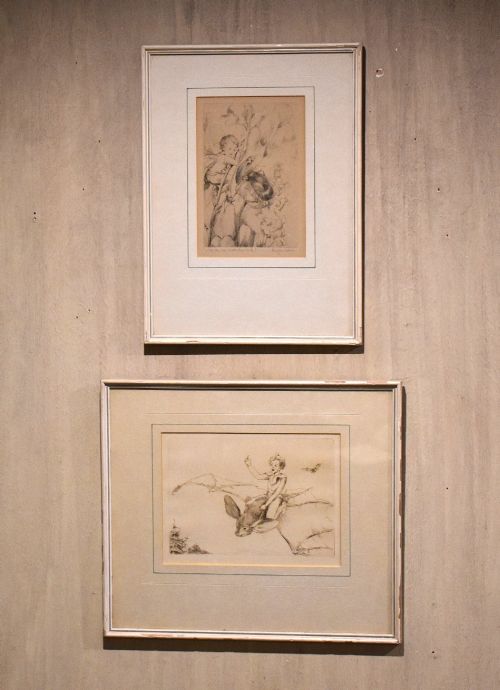
Printmakers utilised techniques like mezzotint to reproduce notable portraits and royal likenesses on paper. These works were subsequently placed behind protective glass and secured within handcrafted wooden frames, often enhanced with giltwood details.
Materials documented in the inventory include oil on canvas, giltwood, pastel, paper, and watercolour.
Assessing Quality
Quality reveals itself in the confidence of the brushwork and the precision of the composition, distinguishing masterly execution from routine studio output. The rendering of light, shadow, and human anatomy indicates the creator's technical proficiency.
The preservation of the artwork and its housing significantly impacts the piece. Surviving in original condition with contemporaneous framing, clear signatures, and well-documented provenance elevates the standing of any work.
Kenneth Cozens·Richard Sebastian Bond·George Fotherly Hargitt·James Orrock·Felix Stone Moscheles·William H Myers·John Smith·Thomas Murray·Emily Eyres·John Maler Collier·Percy Lancaster·John Horace Hooper·Stickland Lowry·Sidney A Court·Robert Leslie Howey·Kershaw Schofield·John E Aitken·Thomas Frye·Richard Purcell·William Banks Fortescue·Stephen Samuel Lewin·John Rose Miles·Robert Morson Hughes·Thomas Barker of Bath·Thomas W Lascelles
The Framed British Wall Art Glossary
- Mezzotint
- A printmaking process where the copper plate is roughened to achieve rich dark tones and subtle tonal gradations. This method was widely used for reproducing notable portraits in the seventeenth and eighteenth centuries.
- Giltwood
- Wood carved and coated with a thin layer of gold leaf or gilt powder. It is frequently seen on decorative frames from the baroque and Victorian periods.
- Provenance
- The documented history of ownership of an artwork. A clear lineage connects the piece to its creator or original patrons.
- En plein air
- The act of painting outdoors to capture direct natural light and atmospheric conditions. This technique became prominent in nineteenth and twentieth-century landscape art.
- Pastel
- A medium consisting of powdered pigment combined with a binder and shaped into sticks. Artists used it on paper to create soft-toned portraits and sketches.
Framed British Wall Art: Frequently Asked Questions
What periods do these pieces span?
The inventory spans from the seventeenth century through the Victorian and Edwardian eras up to the mid-twentieth century. This wide chronological range captures shifting artistic tastes across British history.
Collectors can find seventeenth-century royal portraits alongside twentieth-century impressionist watercolours and post-war coastal landscapes.
How should I care for a framed oil painting?
Oil paintings require stable indoor environments away from direct sunlight and extreme humidity fluctuations. Gentle dusting with a soft, dry brush preserves the surface without damaging the pigment.
Glazed works, such as watercolours and pastels on paper, benefit from UV-filtering glass to prevent fading over time.
How do I distinguish watercolours from oil paintings?
Watercolours are painted on paper, typically displayed behind protective glass, offering translucent washes of colour. Oil paintings are executed on canvas or wooden boards with thicker, opaque layers of pigment.
Examining the surface texture under proper lighting readily reveals whether the medium is water-based on paper or oil-based on canvas.