




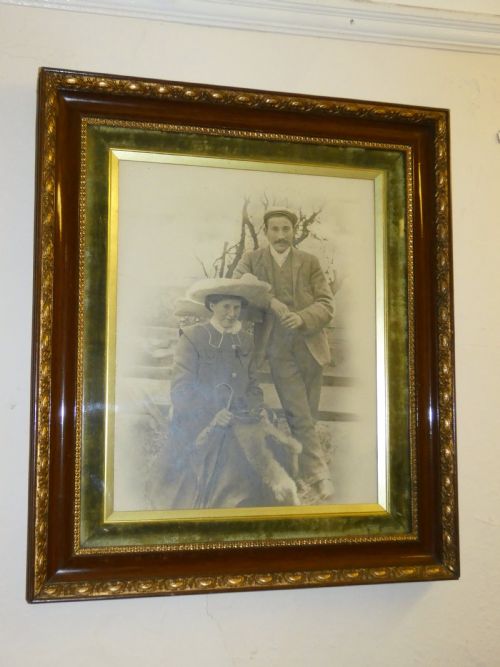

Framed Black Photograph
A framed black photograph brings monochrome atmosphere into a room, capturing history through silver gelatin and albumen prints set behind glass.
Framed Black Photograph
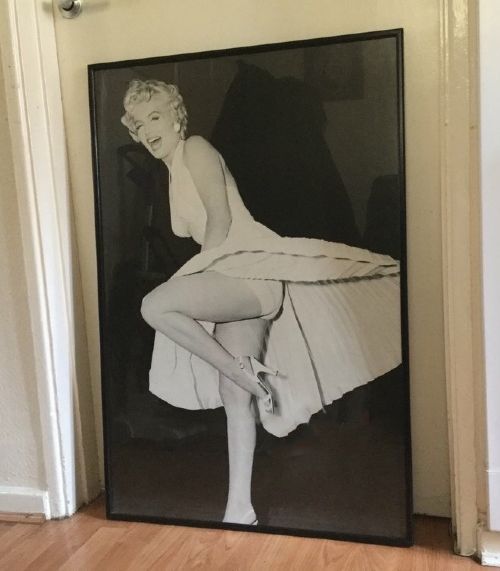
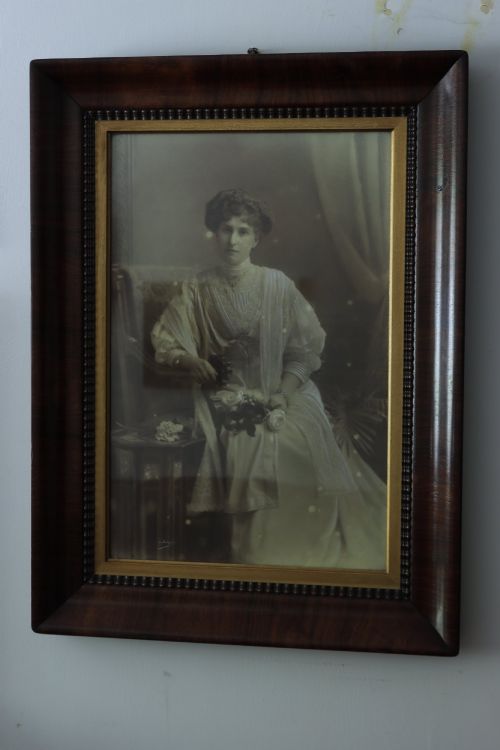
When you search for a framed black photograph, you encounter monochrome prints spanning from the Victorian era through the mid-twentieth century. The selection ranges from topographical views and maritime scenes to portraits of huntsmen and racehorses.
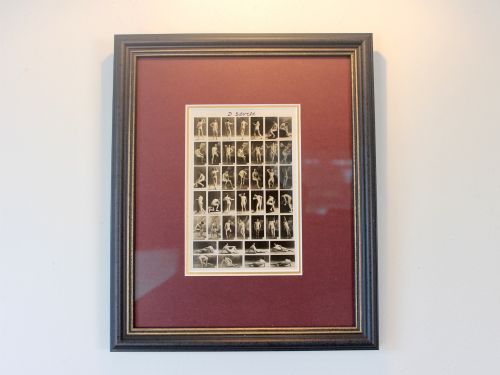
You are most likely to meet pieces housed in wooden frames such as oak, mahogany, or ebonised wood, often protected by glass. These objects capture specific historical moments, ranging from Grand Tour subjects to Alpine views and intimate male studies.
The styles shift across the decades, encompassing Edwardian formality, Art Deco restraint, and mid-century nautical themes. Each piece offers a window into past visual culture, preserved in its original mounting.
How they were made
The physical objects rely on paper photographs set within wooden or ebonised surrounds, frequently complemented by glass panes and brass fixings. Makers utilised timber moulding to construct sturdy housings that protected the delicate paper prints within.
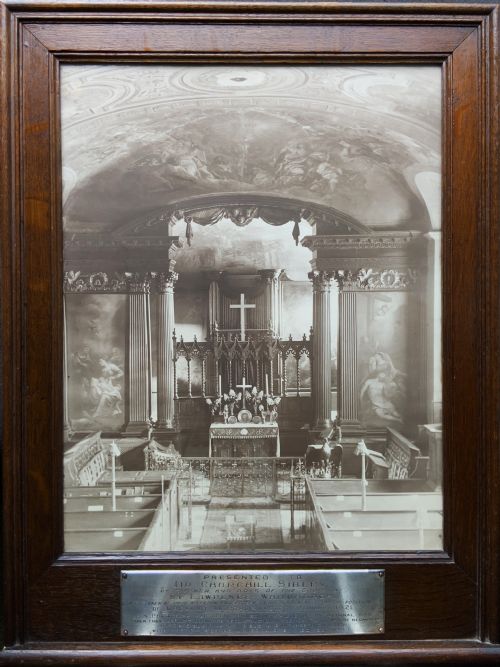
Mounting techniques varied from simple card mounts to elaborate table top display box frames and altar-sourced oak housings. The combination of heavy timber frames and paper photographic sheets defines the physical construction of these pieces.
Materials documented in these listings include paper, glass, wood, oak, gilt, mahogany, ebonised wood, and brass.
What varies in quality
Quality in a framed black photograph rests upon the clarity of the monochrome image and the integrity of the original frame. Pieces featuring substantial woods like oak and mahogany, or specialist housings such as ebonised wood and brass, stand apart from simpler iterations.
The distinction also lies in the subject matter and provenance, whether a commissioned maritime view, a named historical subject of Grand Tour interest, or a well-preserved contact sheet. Original framing and period mounts elevate the overall character of the piece.
The Framed Black Photograph Glossary
- Cartes de visite
- A small type of photograph patented in France and popularised in card format for collection and display. These prints were frequently housed in specialised table top display box frames.
- Ebonised wood
- Timber treated to resemble ebony, providing a deep black finish common in period frames. This dark finish creates a stark contrast against monochrome photographic prints.
- Grand Tour
- A traditional trip of Europe undertaken by upper-class young men of means for educational and cultural accumulation. Photographs from this context often depict classical sculpture and ancient architecture.
- Contact sheet
- A photographic print made by placing a negative directly onto sensitive paper, yielding an image the exact size of the negative. These sheets record multiple related frames captured during a single photographic session.
Framed Black Photograph: Frequently Asked Questions
How do I date an old photograph?
Dating relies on examining the photographic process, paper weight, and the accompanying frame style. Victorian and Edwardian examples often feature specific mounting techniques and card stocks that distinguish them from later twentieth-century prints.
Makers' marks on the reverse or the style of the timber moulding also provide chronological clues. Comparing the subject matter to known historical periods helps narrow down the decade of production.
What frames are period correct?
Period-correct frames typically utilise materials contemporary to the photograph, such as oak, mahogany, ebonised wood, or gilt detailing. Victorian and Edwardian pieces frequently feature heavy timber mouldings with simple rebates to hold the glass and print.
Later pieces from the Art Deco era or mid-century adopt different profiles and finishes. Original framing ensures the object maintains its historical integrity and aesthetic balance.
How should I hang monochrome prints?
Monochrome prints require stable wall environments away from direct sunlight to prevent the fading of silver or albumen images. Secure picture hooks rated for the weight of the timber frame and glass ensure safe suspension.
Grouping pieces with similar ebonised or wooden frames creates a cohesive display. Maintaining consistent eye-level placement enhances the visual impact of historical wall art.
Are these prints originals?
Most pieces listed are period photographic prints created close to the date of the negative, rather than modern reproductions. Formats range from albumen prints to photographic contact sheets and commissioned portraits.
Examining the paper surface through a glass reveals the tonal depth characteristic of vintage photographic processes. Original mounts and period backs further confirm the age of the item.