



Framed Army Watercolours
Framed army watercolours capture military history on paper, offering collectors direct glimpses of officers and regiments through skilled brushwork.
Framed Army Watercolours
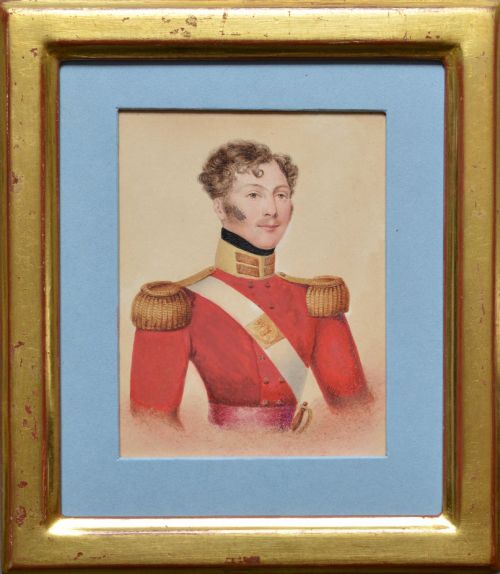
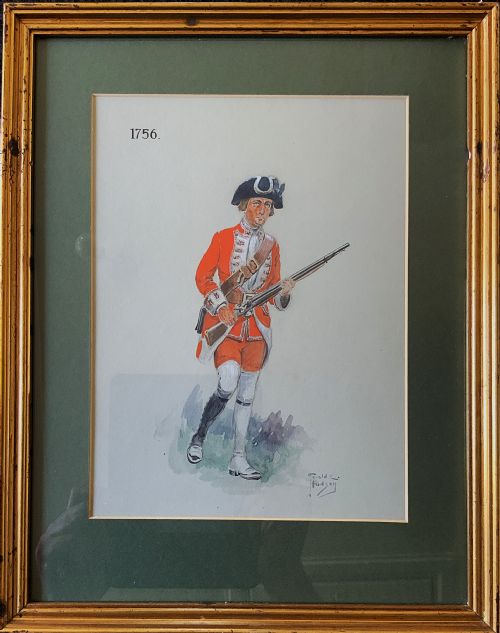
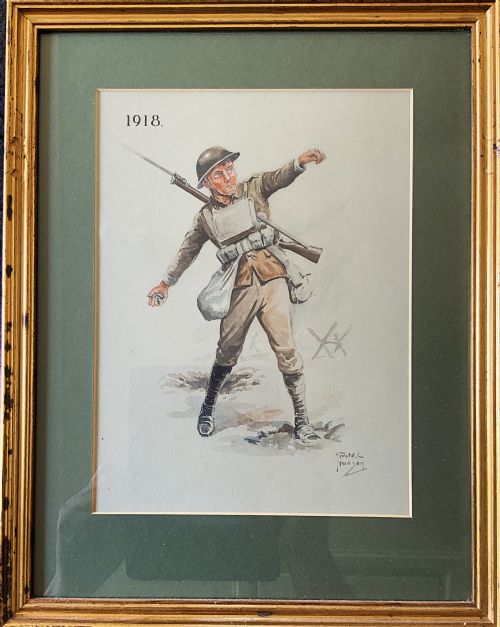
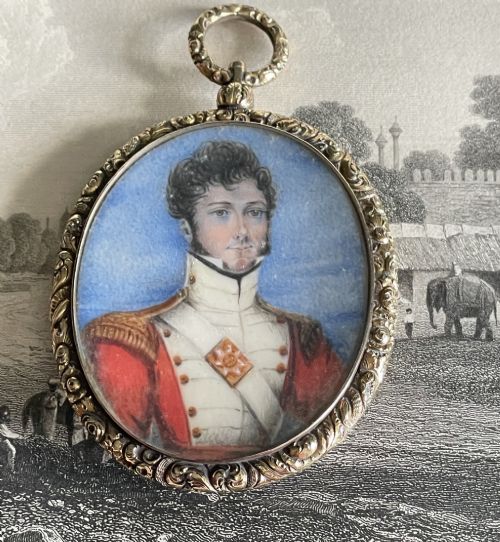
Framed army watercolours span multiple eras from the eighteenth century through the Victorian period and into the early twentieth century. Buyers discover individual portraits of officers, soldiers, and regiments rendered in watercolour and wash on paper.
The pieces on this page include works by the British School, Anglo-Indian portraiture, and named artists such as Snaffles. Common subjects range from the Staffordshire 80th Regiment of Foot to the Royal Artillery and the 3rd Dragoon Guards.
How they were made
Artists executed these works primarily using watercolour and wash techniques applied directly to paper supports. The delicate nature of paper required protective housings behind glass to preserve the pigments over time.
Framing materials varied according to the period and status of the work, utilising wood, giltwood, and gilt metal alongside ivory components found in smaller portrait miniatures.
Framed Army Watercolours Retail Price Guide 2026
Typical asking prices for framed army watercolours among the pieces listed under this phrase on Sellingantiques today, from the lower quarter to the upper quarter. They describe what is for sale here now, not the wider market.
Materials recorded across the inventory include watercolour, paper, glass, wood, gilt wood, giltwood, gilt metal, and ivory.
What varies in quality
The integrity of the framing materials also distinguishes pieces, with period frames in wood, gilt wood, or giltmetal enhancing the overall character of the artwork.
The Framed Army Watercolours Glossary
- Watercolour
- A painting method in which the paints are made of pigments suspended in a water-based solution. This technique allows for transparent washes of colour on paper.
- Wash
- A thin, transparent layer of diluted watercolour paint spread across paper. Artists utilised this method to build up tonal depth and background atmosphere.
- Portrait Miniature
- A small, highly detailed painting, often executed on ivory or paper during earlier periods. These intimate works required precise brushwork to capture facial likenesses.
- Giltwood
- Wood that has been treated with gold leaf or a gold-coloured finish. This material frequently appears on the decorative frames enclosing these military artworks.
Framed Army Watercolours: Frequently Asked Questions
What periods do framed army watercolours cover?
These works date from the eighteenth century through the nineteenth century, including Georgian, Regency, and Victorian eras, up to the early twentieth century.
Collectors encounter pieces reflecting specific military campaigns and regiments from these diverse historical periods.
Who painted these military watercolours?
The works originate from named artists like Snaffles, as well as the British School and Anglo-Indian portrait painters.
Many pieces record specific officers and soldiers from regiments such as the Royal Artillery and the 3rd Dragoon Guards.
What materials make up the frames?
Frames typically consist of wood, gilt wood, giltwood, or gilt metal designed to protect the paper watercolour behind glass.
Some smaller portrait miniatures incorporate ivory within their construction alongside the primary paper support.
How should I display these watercolours?
Display watercolours away from direct sunlight to prevent the pigments on paper from fading over time.
Ensure the protective glass and frame remain secure to shield the delicate medium from atmospheric moisture.