

Framed Animal Art
Framed animal art brings centuries of horses, hounds, cats and farm stock into domestic interiors through oil paintings, watercolours and etchings.
Framed Animal Art
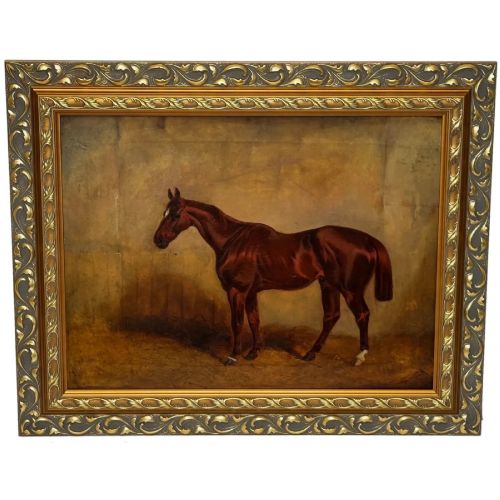
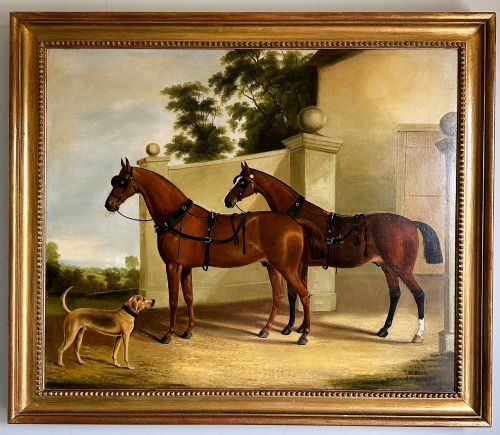
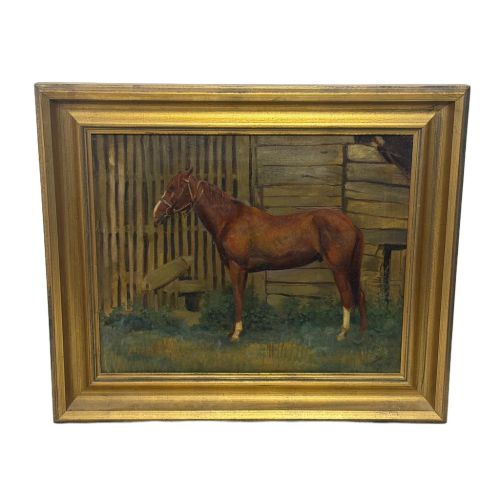
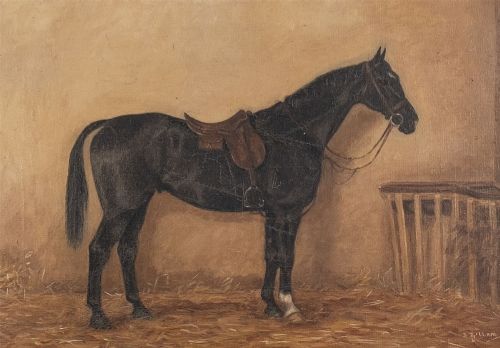
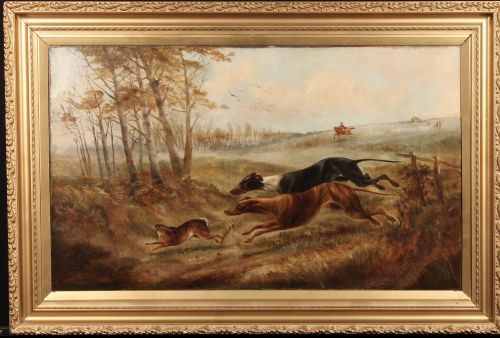
Buyers seeking framed animal art encounter a rich variety of subjects, from working terriers and prize bulls to majestic horses and exotic big cats. These works span multiple periods, capturing horses, dogs, livestock and wildlife through distinct artistic lenses.
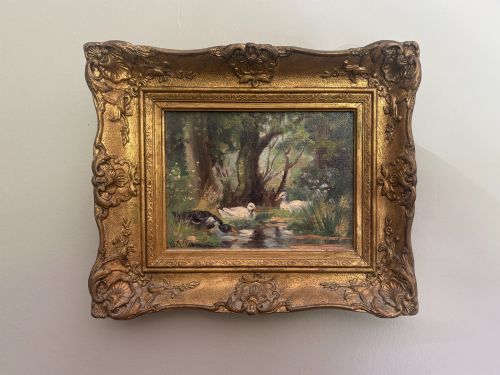
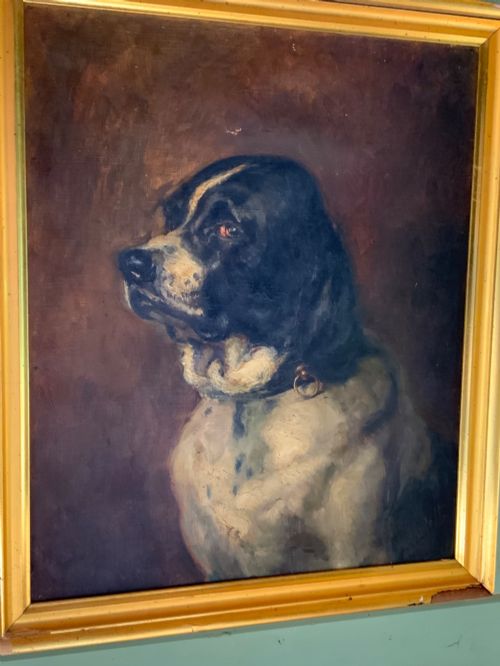
The most common pieces on this page are nineteenth-century and early twentieth-century oil paintings on canvas and board, alongside detailed etchings and watercolours. Domestic pets and sporting animals appear frequently alongside farmyard scenes and rustic wildlife.
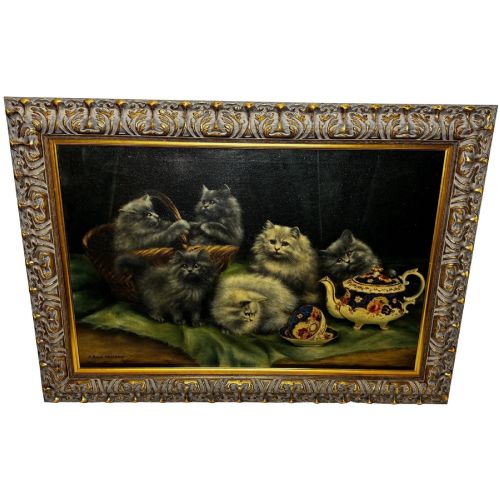
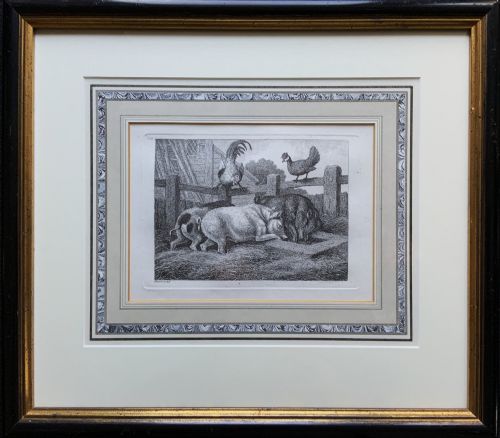
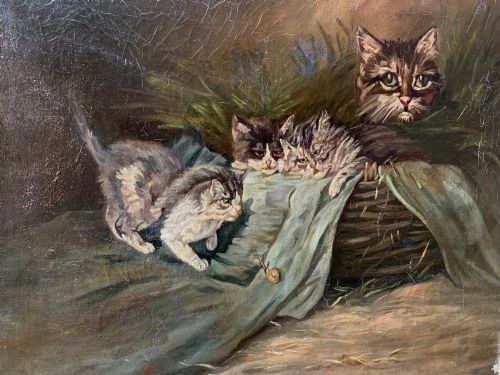
Subjects range from individual equine portraits and single dogs to narrative genre scenes featuring pigs, sheep and kittens. Originating largely from British and French schools, these pieces demonstrate a longstanding artistic fascination with animals in natural and domestic settings.
Materials and methods
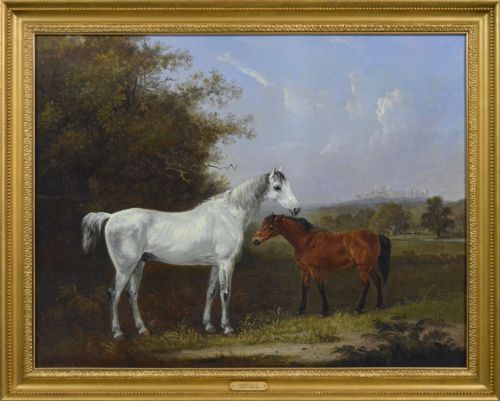
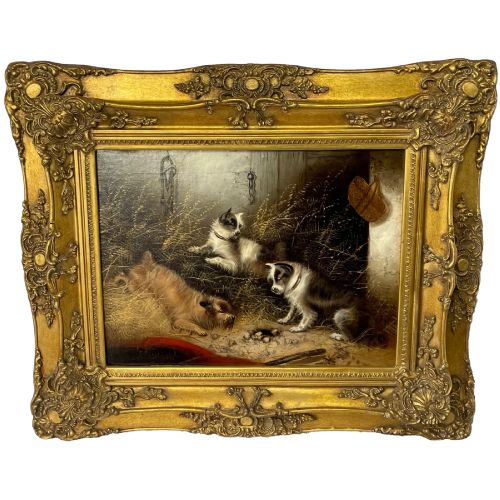
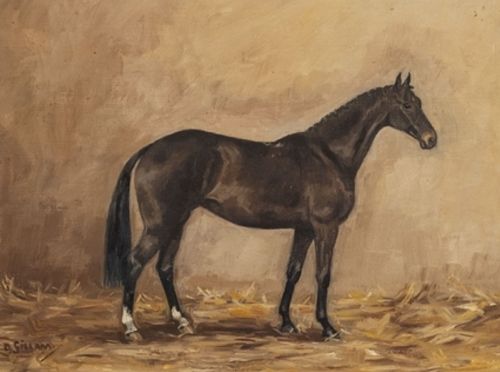
Artists relied primarily on oil paint applied to canvas or wood panels, building rich textures and deep tones particularly suited to capturing the coats of horses and dogs. Watercolours, gouache and pastel on paper provided lighter mediums for detailed animal studies.
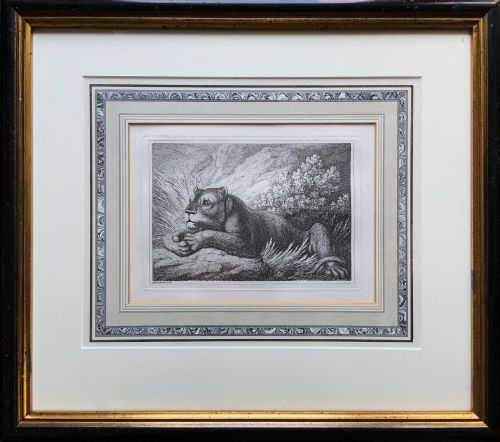
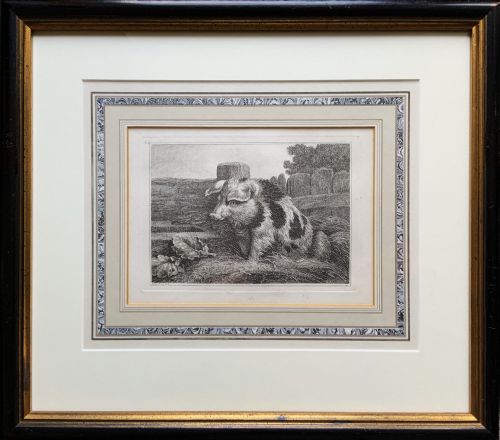
Printmakers utilised etching and drypoint techniques on paper, producing finely detailed plates that were often signed in pencil by the artist. These works were housed behind glass within wooden frames, frequently incorporating giltwood mouldings and gold leaf accents to complement the imagery.
Several listings immortalise very specific farm life, including prized Shorthorn bulls, working terriers, and even a pigeon that won a royal jubilee prize.
Distinctions in quality
Quality rests upon the artist's anatomical precision and the convincing rendering of texture, whether in the sheen of a horse's coat or the softness of a cat's fur. Superior works capture individual character and posture rather than relying on generic animal forms.
The sophistication of the composition and the handling of light distinguish exceptional pieces, alongside the original integrity of the materials, canvas and period framing.
Charles Bilger Spalding·Agnes Augusta Talboys·Willem J Palman·Samuel Howitt·Edmund Bristow·Edward Armfield·Eugène Verboeckhoven·Albert Clark·Martin Theodore Ward·George Augustus Holmes·John Sargent Noble·Edgar Hunt·Robert Watson·Sir Edwin Henry Landseer·Herbert Dicksee·Carl Whitfield·Fred Fitzpatrick
The Framed Animal Art Glossary
- Etching
- A printmaking technique where lines are bitten into a metal plate with acid before ink is applied and transferred to paper. This process allows for remarkable fine detail in hair and feather textures.
- Drypoint
- A printmaking method where an artist scratches a design directly into a metal plate with a sharp needle. This creates a distinctive velvety burr along the lines when printed.
- Giltwood
- Wood that has been coated with a thin layer of gold leaf or gilt. It appears frequently on traditional antique frames.
- Genre painting
- Artwork depicting scenes from everyday life, often featuring domestic animals alongside people in rural or farmyard settings.
- Sporting art
- Depictions of horses, hounds, shooting dogs and field sports. This tradition forms a substantial portion of animal portraiture.
Framed Animal Art: Frequently Asked Questions
What periods do these animal artworks come from?
The pieces span from the eighteenth century through the Victorian and Edwardian eras into the mid-twentieth century. Most date from the nineteenth and early twentieth centuries.
Each period reflects changing tastes in domestic decor and animal portraiture, moving from grand sporting commissions to intimate character studies.
How were these animal portraits originally used?
Many equine and sporting paintings were commissioned by owners to record prized horses, hunting dogs and livestock. Other works served as decorative wall art for country houses and town residences.
Smaller prints, watercolours and drawings offered an accessible way to bring depictions of pets and wildlife into everyday domestic spaces.
How do I care for antique animal paintings on canvas?
Keep oil paintings away from direct sunlight and dramatic fluctuations in temperature and humidity to prevent the canvas and paint from cracking. Display them on interior walls where the environment remains stable.
Dust gently with a soft, dry brush and avoid using water or chemical cleaners on the painted surface or the frame.
What is the difference between an oil painting and an etching?
An oil painting is a unique, hand-painted work using pigments suspended in oil on canvas or wood. Etchings are works on paper produced from a metal printing plate.
While paintings offer rich colour and texture, etchings provide intricate linear detail achieved through ink on paper, often created in limited editions.