



Framed Advertising Print
These framed advertising print examples capture commercial history across the decades, offering authentic wall art for collectors.
Framed Advertising Print
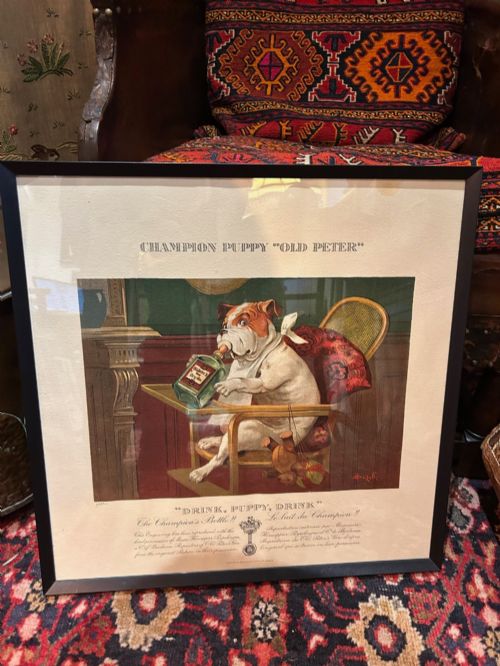
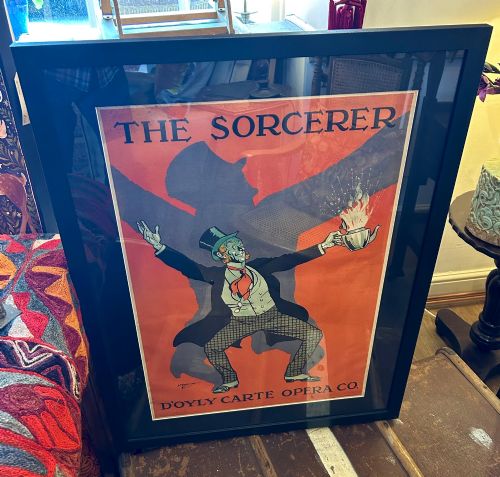
A framed advertising print brings vintage commercial art, travel posters, and product promotion straight onto the wall. When searching for a framed advertising print, buyers encounter paper and ceramic pieces spanning the Victorian, Edwardian, and mid-century eras.
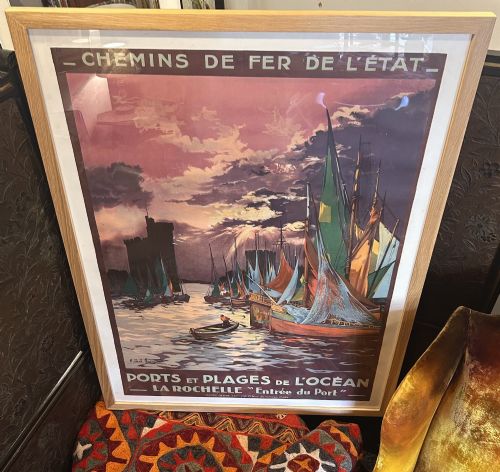
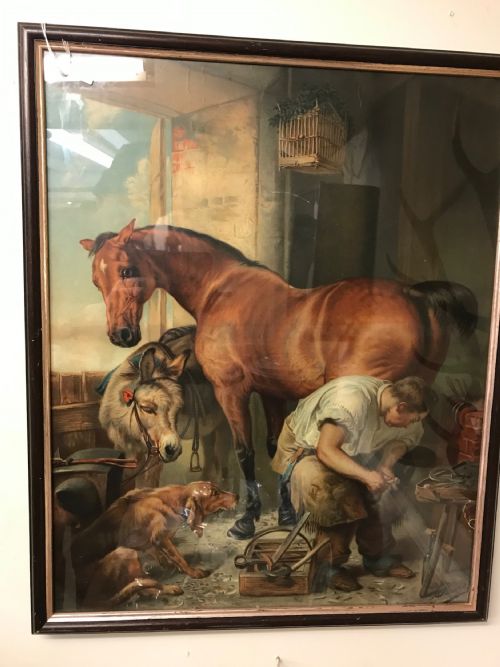
The selections on this page draw from the 1890s through to the 1940s, featuring works by illustrators alongside railway posters and soap advertisements. Buyers frequently meet items framed in wood or oak, protected under glass.
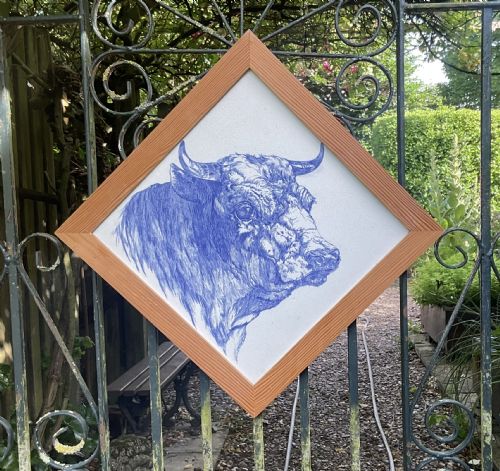
Object types vary from framed posters and wall art to decorative tiles like the Mintons butcher's shop tile. Each piece preserves a slice of commercial heritage from past centuries.
Materials and construction
Paper forms the primary medium for these illustrations and posters, housed within wooden frames often constructed from oak or pine. Many examples incorporate glass to protect the delicate paper surfaces from environmental damage.
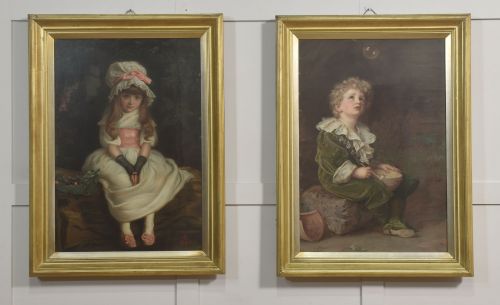
Gilt highlights sometimes accent the frames, while ceramic serves as the base material for specialised items like advertising tiles featuring glaze finishes. These traditional materials work together to preserve fragile commercial ephemera.
Framed Advertising Print Retail Price Guide 2026
Typical asking prices for framed advertising print among the pieces listed under this phrase on Sellingantiques today, from the lower quarter to the upper quarter. They describe what is for sale here now, not the wider market.
Art Deco and early twentieth-century illustration styles appear frequently alongside railway posters and soap advertisements.
Distinctions in quality
The standard of a framed advertising print depends heavily on the preservation of the original paper and the clarity of the illustration. Pieces by recognised illustrators or major firms tend to hold greater visual and historical weight.
Frame construction also plays a role, with period wood and secure glazing separating standard mountings from finer presentations. Original nineteenth and early twentieth-century examples display superior ink saturation compared to later reproductions.
Marcellin Auzolle·Edwin Henry Landseer·Charles Burton Barber·Cook Travel Agency·Mintons
The Framed Advertising Print Glossary
- Framed print
- A paper image set behind glass within a protective wooden border. This format preserves fragile wall art for domestic display.
- Railway poster
- A large promotional sheet commissioned by transport companies to encourage travel to specific destinations. These often feature distinctive early twentieth-century illustration styles.
- Glaze
- A glassy coating applied to ceramic objects such as decorative tiles to seal the surface and add shine. This technique protects the underlying ceramic body.
- Gilt
- A thin layer of gold applied to wood or frame mouldings to create a decorative metallic finish. It enhances the visual presence of the surrounding artwork.
Framed Advertising Print: Frequently Asked Questions
How do I hang a heavy framed print securely?
Use appropriate wall fixings suited to the weight of the wood and glass. Ensure the hanging wire or brackets are securely attached to the frame structure.
Distribute the weight evenly across two anchor points to keep the artwork level and prevent strain on the wall.
Where should I place advertising prints at home?
Position them away from direct sunlight to protect vintage paper and inks from fading over time. Hallways, studies, and kitchens suit these commercial and travel subjects well.
Keep pieces clear of excessive moisture sources, particularly those with paper components and wooden frames.
How do I tell Edwardian prints from Victorian ones?
Victorian pieces often reflect denser ornamentation and earlier chromolithography techniques. Edwardian items tend to feature lighter palettes and distinct early twentieth-century illustration styles.
Examining the subject matter alongside any visible dates or stylistic markers helps clarify the production era.