

Folk Art Wooden Seat
A folk art wooden seat brings utilitarian function and regional character together, offering robust construction and distinct vernacular charm for everyday use.
Folk Art Wooden Seat
A folk art wooden seat encompasses benches, armchairs, stools, and settling forms created across European and British country traditions. These pieces reflect local craftsmanship from Sweden, Austria, Hungary, and beyond, spanning the eighteenth, nineteenth, and early twentieth centuries.
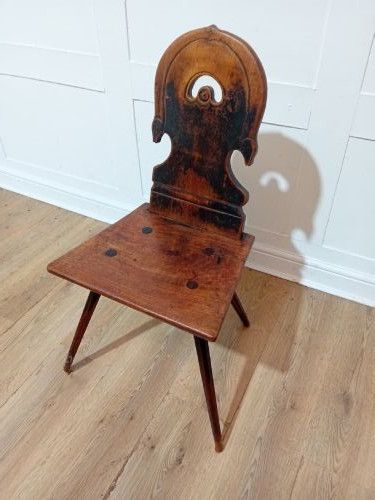
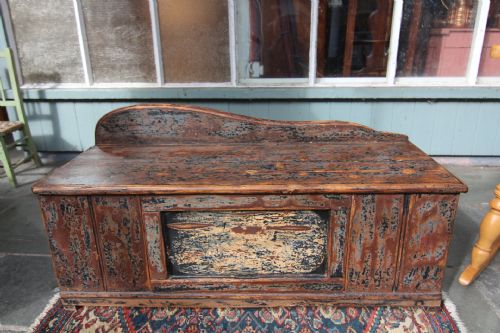
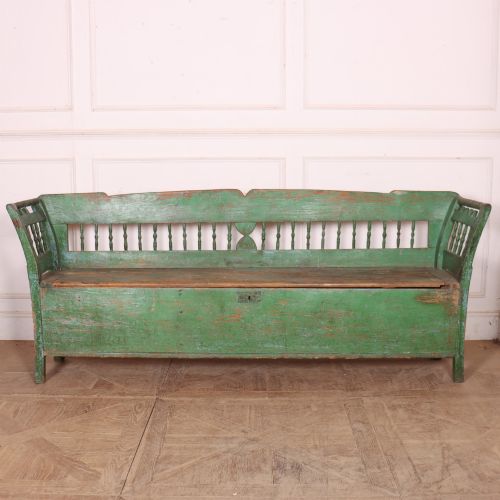
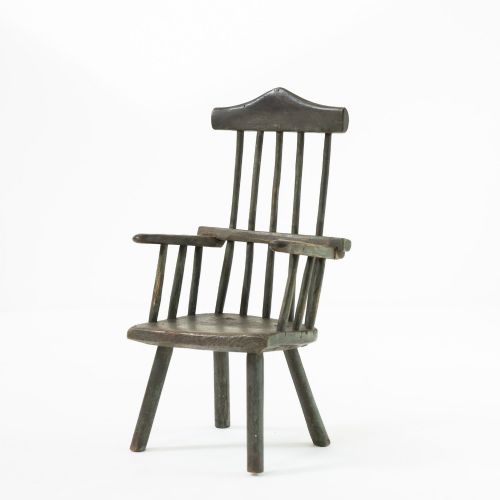
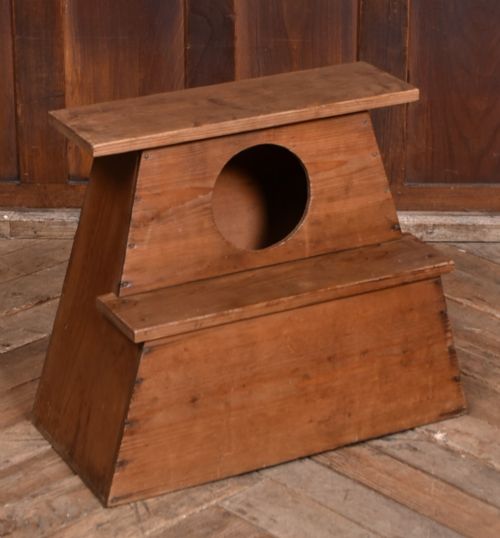
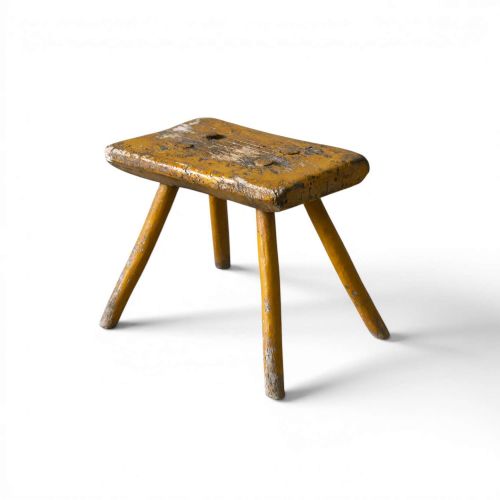
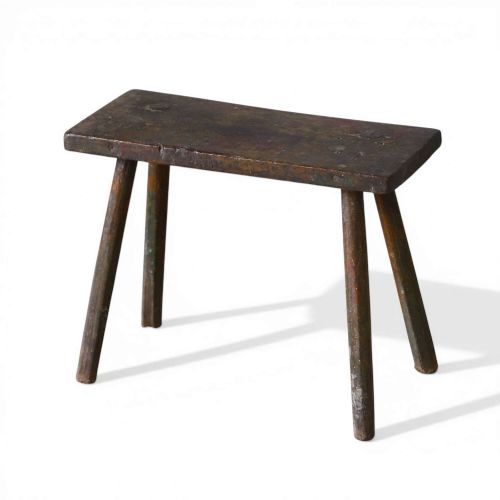
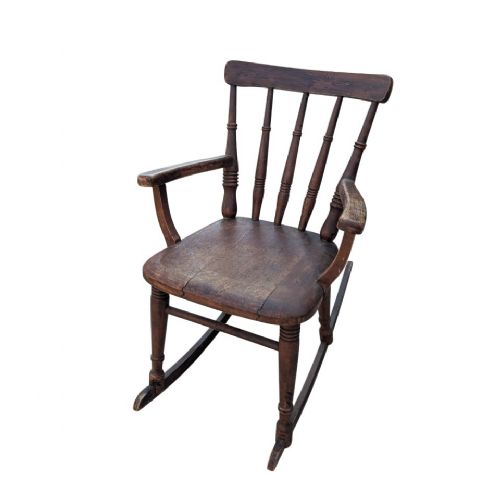
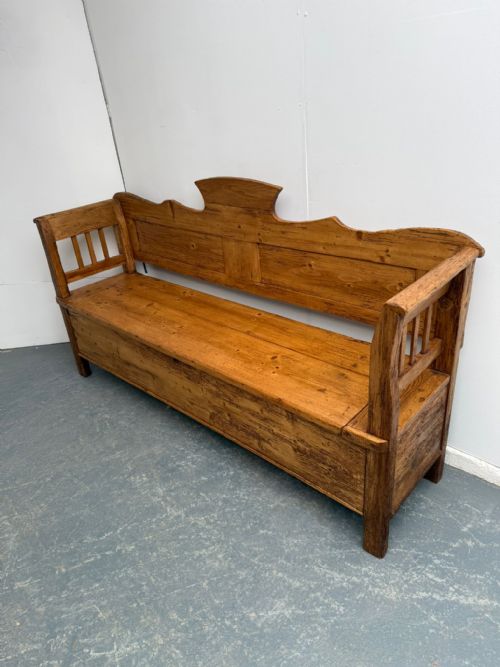
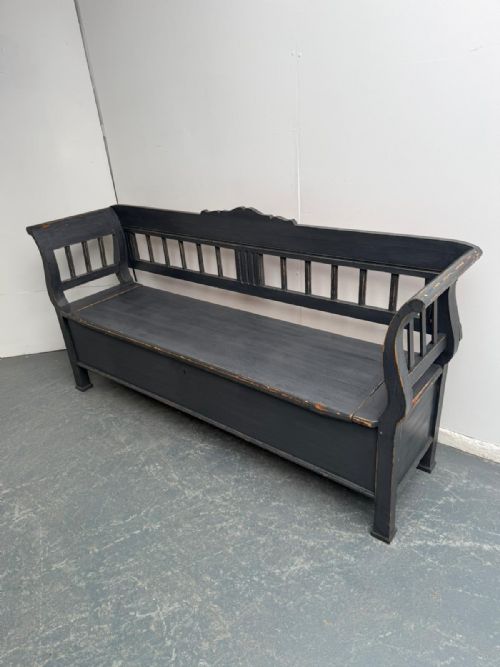
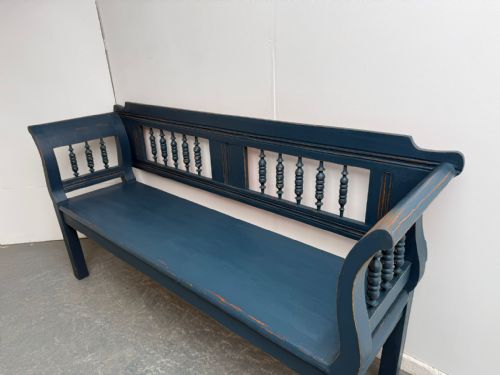
The selections on this page lean heavily towards regional milking stools, painted pine benches, box settles, and primitive stick-back armchairs. They demonstrate domestic and agricultural utility shaped by the specific materials available to local makers.
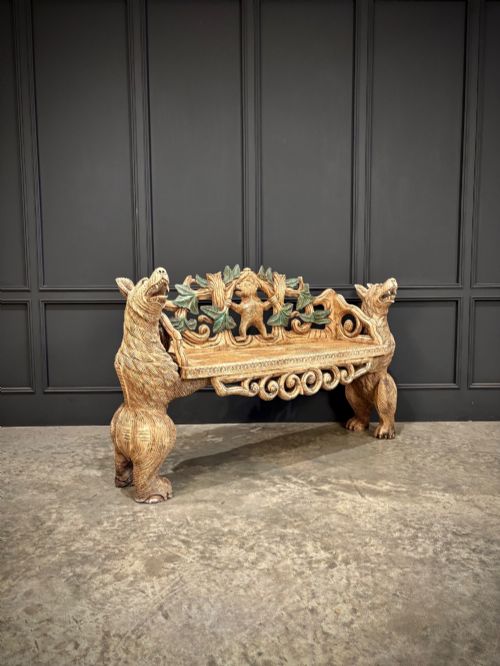
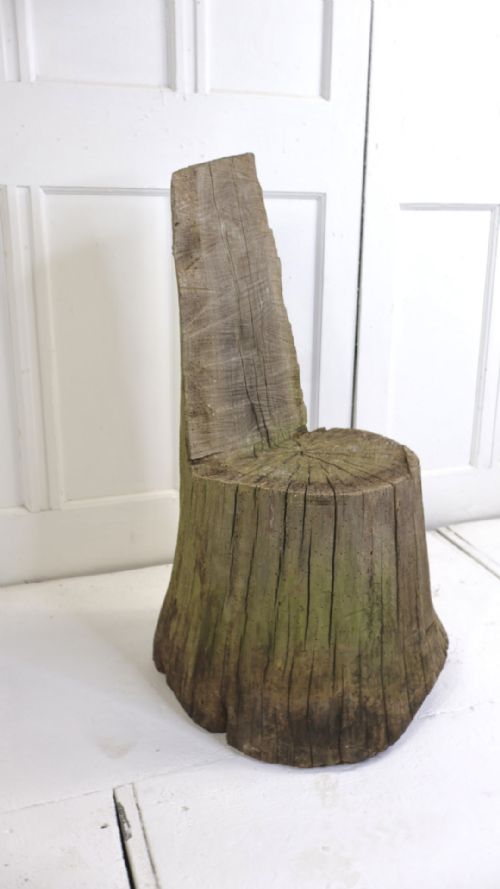
Domestic spaces benefit from the inclusion of child-sized chairs, high chairs, and rocking variants that showcase vernacular adaptations of larger furniture types. Each object retains the marks of rural life, from simple dug-out construction to carved details.
Assessing the Pieces
The distinction between ordinary utility and higher quality rests on the survival of original pigmented surfaces and the integrity of the primitive construction. Untouched layers of period paint and genuine historic wear command greater attention from collectors seeking authentic regional character.
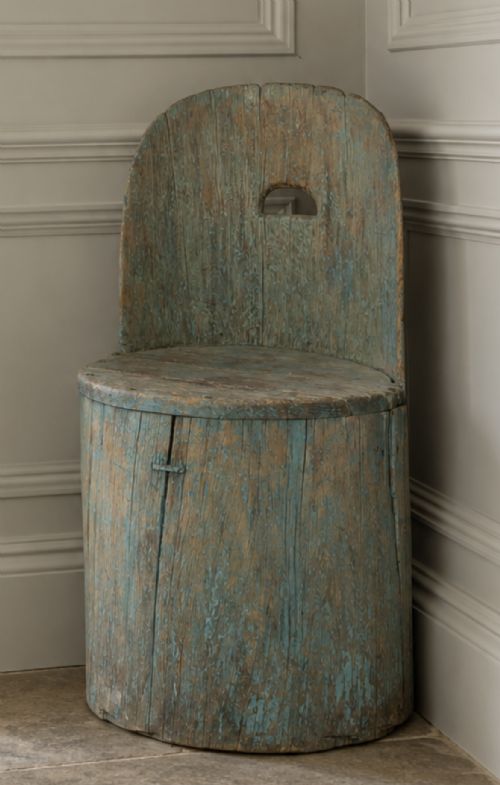
Proportion and sculptural presence also separate standard items from exceptional examples, particularly in dug-out chairs and box settles. Well-balanced proportions and uncompromised structural stability indicate a higher level of regional craftsmanship.
Listings feature eighteenth, nineteenth, and early twentieth-century pieces, including styles from Swedish, Austrian, and wider European folk traditions.
The Folk Art Wooden Seat Glossary
- Box settle
- A high-backed wooden bench featuring a storage compartment beneath the seat. This form protected sitters from draughts in cold rural houses.
- Stick back
- A chair construction method where turned spindles or plain sticks are inserted directly into a solid wooden seat. It represents a straightforward vernacular approach to chair building.
- Milking stool
- A small, portable three-legged or one-legged seat used by agricultural workers during daily milking. Their simple tripod design kept them stable on uneven farm floors.
- Dug out
- A seating form carved directly from a single solid log of timber rather than assembled from separate components. This heavy method creates robust, organic curves.
- Pokerwork
- A decorative technique using heated metal tools to burn designs into a wooden surface. It appears on regional pieces to add linear ornamentation and inscriptions.
Folk Art Wooden Seat: Frequently Asked Questions
What is a folk art wooden seat?
These objects are functional rural seating pieces made by local craftsmen using traditional regional techniques. They include benches, milking stools, and armchairs.
Such seating reflects the domestic needs and aesthetic preferences of specific rural communities across Europe and Britain during past centuries.
How were these seats used historically?
Rural households and farms utilised these pieces for daily domestic tasks, fireside sitting, and agricultural labour. Stools accompanied workers into fields or barns.
Larger benches and settles provided communal seating around the hearth while blocking cold drafts in uninsulated rooms.
How do I live with a primitive wooden seat?
These pieces integrate easily into modern hallways, kitchens, and living spaces as practical seating or display surfaces. Their robust forms anchor neutral interiors.
Maintenance involves keeping timber away from excessive heat sources and preserving original painted or waxed surfaces with minimal intervention.
How do I tell different regional styles apart?
Regional variation shows in the choice of local timber, specific joinery methods, and characteristic colour palettes for painted finishes. Swedish pieces often feature pale pine and simple silhouettes.
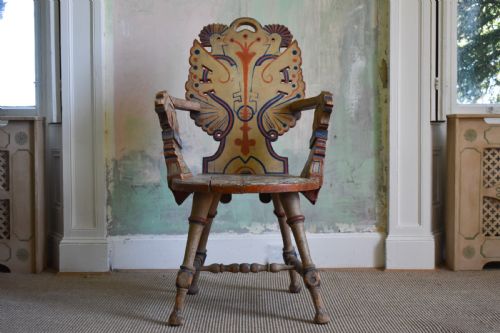
Austrian and Hungarian examples frequently display heavier painted decoration or box settle constructions tailored to local domestic habits.
What dates are common for these items?
The majority of pieces date from the nineteenth century, encompassing Victorian and Edwardian periods as well as earlier Georgian examples. Eighteenth-century pieces also appear.
Exact dating relies on construction traits, tool marks, and the patina accumulated on the wood over generations of use.