
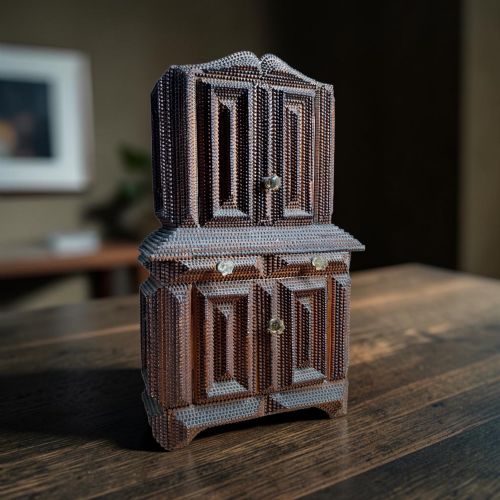
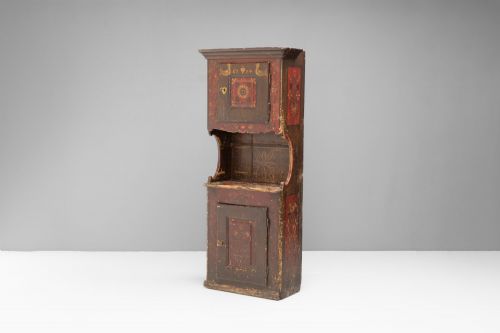


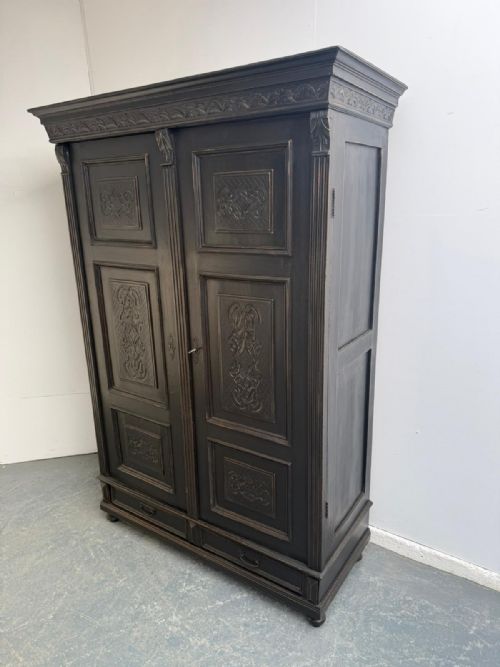


Folk Art Wooden Cupboard
Folk art wooden cupboard pieces bring regional character and painted charm into a room, offering practical storage with distinct historical personality.
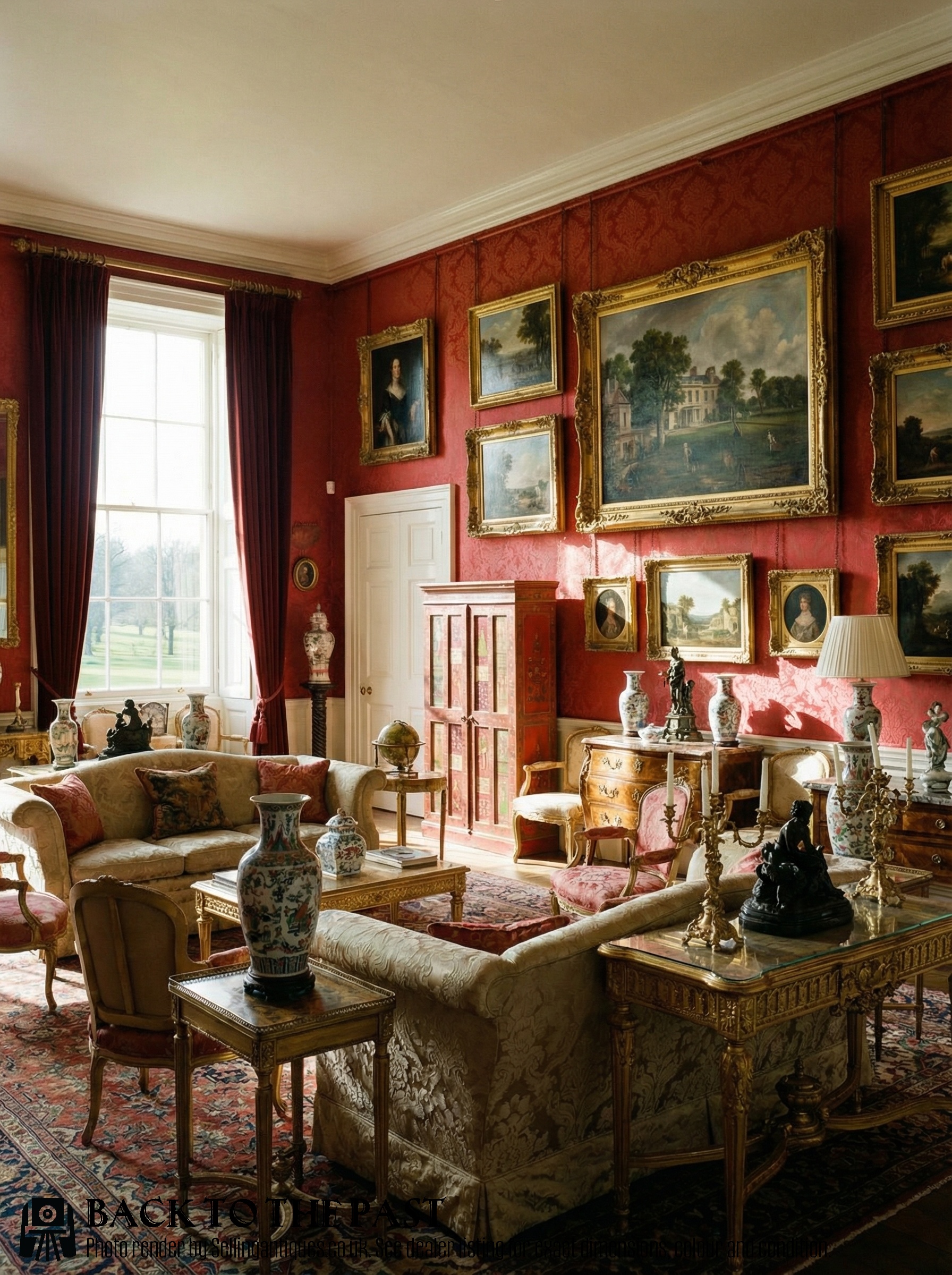
Folk Art Wooden Cupboard
A folk art wooden cupboard unites vernacular furniture forms with decorative painting, carving, or regional finishes. When you search for a folk art wooden cupboard, you encounter wall cabinets, larger armoires, and standing larders originating from various European and international provinces.
The pieces appearing on this page date primarily from the eighteenth and nineteenth centuries, spanning Victorian examples alongside earlier continental workshops. Pine and oak form the structural foundation for the majority of these storage pieces.
Scandinavian, French, Hungarian, and Italian provincial styles dominate the selection. Buyers frequently find hand-painted surfaces, ragwork finishes, and tramp art details that distinguish these domestic items from formal high-style cabinet making.
Materials and construction
Makers constructed these cupboards using accessible native timbers, predominantly pine and oak, reinforced with iron or brass hardware. Simple joinery methods served practical daily storage needs in provincial homes.
Surfaces received layers of hand-mixed paint, often featuring floral motifs, monochrome dark grounds, or textured ragwork techniques. Metal hinges, latches, and glass panels were integrated to secure doors and display contents.
Listings feature pine and oak as the primary woods, utilised across Scandinavian, French, and Austro-Hungarian provincial styles dating from the eighteenth to the twentieth century.
Assessing quality in provincial storage
Quality rests in the originality of the painted surface and the integrity of the timber structure. Untouched regional paintwork with authentic patination commands greater interest than later decorative overpainting.
Proportion and scale dictate desirability, as smaller wall cabinets and well-proportioned single-door armoires suit modern interiors differently than bulky larders. The crispness of hand-carved details or tramp art work further elevates individual pieces.
The Folk Art Wooden Cupboard Glossary
- Tramp art
- A form of woodworking where small chips or notches are carved into layers of wood, often using simple pocket knives. This technique creates textured geometric patterns on surfaces.
- Ragwork
- A decorative painting method where rags or cloths apply or manipulate wet paint to create mottled, textured patterns on furniture. It produces a soft, cloudy visual effect.
- Armoire
- A large freestanding wardrobe or cupboard traditionally used for storing garments and linens. Continental versions often feature single or double panelled doors.
- Marriage cupboard
- A celebratory piece of furniture commissioned or painted to mark a wedding, frequently inscribed with dates or initials. These items often display elaborate floral motifs.
- Provincial
- Denoting styles originating from regions outside the capital city, reflecting local traditions and materials. These pieces prioritize utility and regional aesthetic preferences.
Folk Art Wooden Cupboard: Frequently Asked Questions
How do I date an old cupboard?
Dating relies upon examining construction marks, timber types, and the composition of the paint layers. Hand-forged iron hardware and period-specific joinery offer reliable chronological clues.
Stylistic motifs and regional painting traditions further narrow the decade of origin. Comparing the wear patterns against documented provincial pieces confirms the period.
Where should I place a painted cabinet?
These pieces function effectively in kitchens as larder storage or in living spaces as decorative display cabinets. Their painted surfaces add colour and visual weight to neutral interiors.
Ensure placement avoids direct sunlight to protect aged painted finishes from fading. Adequate clearance allows doors to open fully without damaging adjacent walls.
Are painted finishes original?
Determining originality requires inspecting the paint layers under magnification for craquelure, wear patterns, and underlying timber interaction. Earlier paint finishes show natural oxidisation and integration with the wood underneath.
Later decorative enhancement often lacks the consistent wear and depth found in period surfaces. Conservation reports or specialist examination can clarify the history of the finish.
How do I clean wooden furniture?
Maintenance requires gentle dusting with a dry or slightly damp soft cloth to preserve delicate painted surfaces. Avoid harsh chemical cleaners or modern polishes that strip historical wax and patination.
Applying microcrystalline wax periodically helps protect exposed timber and painted areas from moisture. Professional restoration should be consulted for loose joints or flaking paint.