





Folk Art Cottage
These folk art cottage pieces are honest vernacular works and domestic items that bring character and a distinct sense of history to any interior.
Folk Art Cottage
When you search for folk art cottage, you encounter domestic items, paintings, and functional furniture shaped by regional makers rather than grand workshops. These pieces reflect everyday life and traditional crafts across the nineteenth and early twentieth centuries.
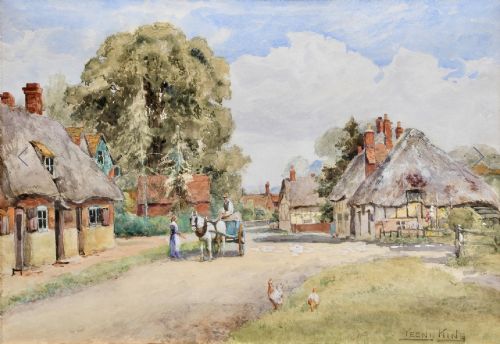
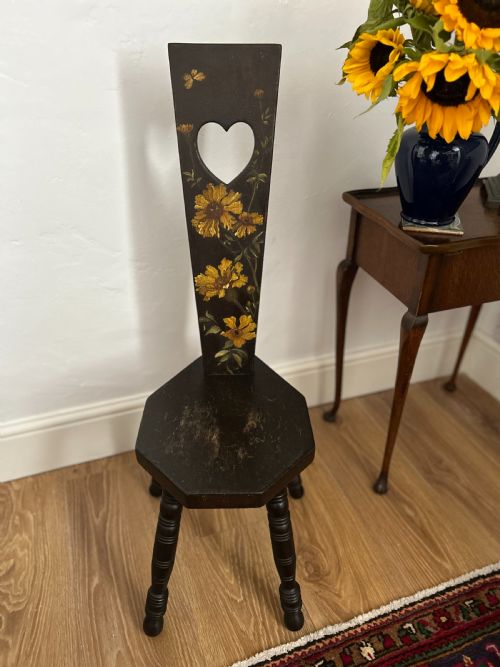
The selections available here range from practical seating such as ash chairs and spinning chairs to decorative wall shelves, needlework pictures, and oil paintings. Rural utility and straightforward craftsmanship define the core of what turns up under this heading.
You are most likely to meet painted wood furniture, oil and watercolour paintings, and textile works dating from the Victorian and Edwardian periods. Each item carries the distinct imprint of local vernacular styles, from Welsh and Irish country pieces to Northern European and American examples.
Materials and construction
Makers utilised accessible local materials such as pine, ash, and various hardwoods, shaping chair frames and wall shelves with straightforward hand tools. Painted wood surfaces frequently display layers of early or later pigment that highlight the utilitarian origins of the objects.
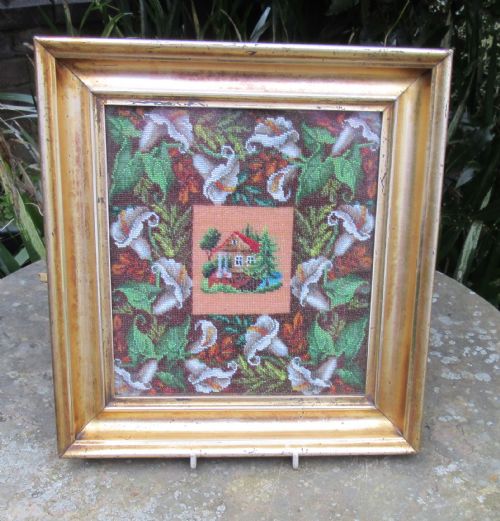
Textile pieces and pictures rely on linen, wool thread, and seed beads, stitched or painted by hand to record domestic scenes and portraits. The framing is often simple timber, serving to protect the canvas, sampler, or beadwork without unnecessary ornamentation.
Folk Art Cottage Retail Price Guide 2026
Typical asking prices for folk art cottage among the pieces listed under this phrase on Sellingantiques today, from the lower quarter to the upper quarter. They describe what is for sale here now, not the wider market.
The listings here span the Victorian and Edwardian eras, featuring materials from painted pine to wool thread and oil on canvas.
Judging quality in vernacular works
Quality rests upon the integrity of the surface treatment and the honesty of the construction, where original paint layers or untouched patination elevate a piece. Finer examples retain their structural form without heavy modern intervention, preserving the maker's original intent.
In paintings and needlework, the strength of the composition and the clarity of the vernacular observation separate standard decorative items from more compelling visual records. The directness of the handling and the preservation of materials dictate the standing of each piece.
Thomas James Lloyd
The Folk Art Cottage Glossary
- Vernacular
- Everyday objects made by regional artisans for local use rather than high-style metropolitan markets. These pieces follow traditional local patterns.
- Súgán
- An Irish term for a twisted straw or hay rope used traditionally to form flexible seats in vernacular chairs. It provides a durable and springy surface.
- Sampler
- A piece of needlework produced to demonstrate proficiency in various stitches and lettering. They frequently record dates and maker names.
- Primitive
- A descriptive term for art produced outside academic traditions, often characterised by a flat perspective and direct emotional honesty. It reflects untutored skill.
- Patina
- The surface sheen and colour change developed by wood, paint, and fabric through decades of handling and ageing. It acts as a visual record of time.
Folk Art Cottage: Frequently Asked Questions
What defines folk art cottage pieces?
These pieces are practical or decorative items made outside academic traditions by regional craftsmen, painters, and needleworkers.
They rely on local materials and traditional methods, offering a direct view into past domestic life.
How were spinning chairs used?
Spinning chairs were low seated wooden chairs designed specifically for women working at spinning wheels during the nineteenth century and earlier.
Their compact size allowed close positioning to the hearth or wheel, often featuring carved or painted decoration on the backrest.
How should I care for painted wood?
Painted wood surfaces require stable indoor humidity away from direct sunlight to prevent paint flaking and timber drying out.
Dust gently with a soft dry cloth and avoid chemical cleaning agents that can strip fragile historical pigment.
How do I spot nineteenth century pieces?
Nineteenth century pieces show traditional hand tool marks, older construction methods like pegging, and natural material ageing.
Examining the underside of furniture and the backing of pictures often reveals period fixings and genuine wear patterns.