




Folk Art Children Chair
These folk art children chair examples offer small vernacular seating built by local hands for domestic life.

Folk Art Children Chair
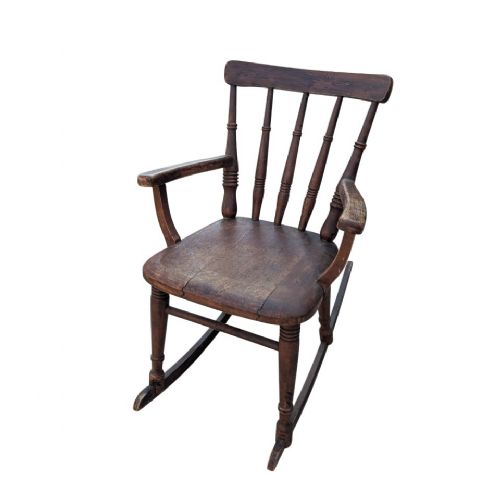
A folk art children chair represents domestic seating built for the young during the eighteenth, nineteenth, and early twentieth centuries. These diminutive seats take forms such as stick back armchairs, rocking chairs, highchairs, and spindle back chairs.
The pieces on this page stem from various regional traditions including Scandinavian, Dutch, Welsh, and broader European folk art. Makers utilised local woods to fashion sturdy chairs intended for everyday use in modest homes.
Alongside actual seating, related objects such as children's furniture, stools, and framed naive artwork occasionally appear within this grouping. Most surviving examples display simple construction methods characteristic of rural craftsmanship.
Materials and construction
Carpenters and rural makers constructed these chairs using accessible local timbers such as pine, elm, oak, birch, and mixed hardwoods. These woods provided the necessary strength for youthful occupants while remaining easy to shape with basic hand tools.
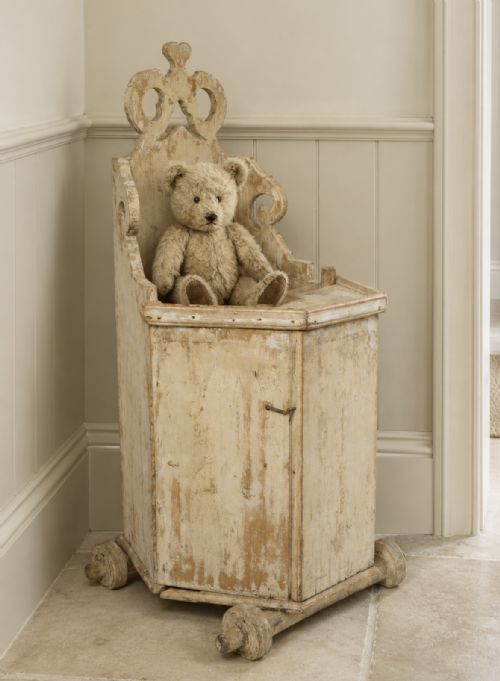
Surface treatments frequently involve layers of paint, ranging from simple monochrome coats to decorative schemes seen in Dutch and Scandinavian pieces. Natural timber finishes also occur, often showing the distinct grain and weathered texture of aged wood.
Folk Art Children Chair Retail Price Guide 2026
Typical asking prices for folk art children chair among the pieces listed under this phrase on Sellingantiques today, from the lower quarter to the upper quarter. They describe what is for sale here now, not the wider market.
One tiny chair dates all the way back to the historic Battle of Waterloo.
Judging quality and character
The distinction between ordinary and superior pieces rests on the integrity of the original surface and the balance of proportions. Painted examples benefit from untouched historic pigment, while unpainted chairs depend on honest patination gained through long use.
Construction quality shows in the cleverness of the stick back, hoop back, or spindle arrangement and the firmness of the joints. Maker intervention is typically straightforward, relying on pegged or wedged tenons rather than sophisticated joinery.
The Folk Art Children Chair Glossary
- Vernacular furniture
- Domestic items built by local craftsmen using regional styles and materials, rather than following metropolitan fashion. These pieces prioritize practical utility over academic design.
- Stick back
- A chair construction method where turned or shaped wooden spindles are inserted directly into a solid seat slab. This method produces lightweight yet durable seating common in country workshops.
- High chair
- Elevated seating designed to keep a young child level with adults at a dining table. Historic versions often incorporate enclosed sides or a small footrest for safety.
- Hoop-back
- A continuous curved wooden member forming the backrest and arm supports of a chair. This technique provides structural strength through bent timber.
- Spindle back
- A chair back composed of multiple slender vertical turned wooden rods. This design lightens the visual weight of the piece while offering firm support.
Folk Art Children Chair: Frequently Asked Questions
Are these small chairs meant for sitting?
These historical seats were originally built for children to use in daily domestic life. Many retain sufficient structural integrity for careful modern use.
However, due to their age and fragile timber, contemporary buyers often treat them primarily as decorative objects or display pieces.
How do I identify a painted finish?
Historic painted surfaces display natural wear, craquelure, and multiple layers applied over decades of use. Authentic regional pieces often show specific folk motifs typical of their geographic origin.
Inspect the surface closely in natural light to detect the depth and texture associated with old paint layers.
What woods were commonly used?
Rural makers relied on readily available timbers such as pine, elm, oak, and birch. These domestic woods suited the modest requirements of country workshops.
The choice of material often reflects the local forest resources accessible to the carpenter at the time of making.
How do I date a primitive chair?
Dating relies on construction techniques, tool marks, timber characteristics, and stylistic conventions of the period. Hand-forged iron nails, adze-hewn seats, and early paint formulations provide reliable chronological clues.
Comparing the form to documented regional examples helps narrow down the century of manufacture.