





Florentine Leaf Chandelier
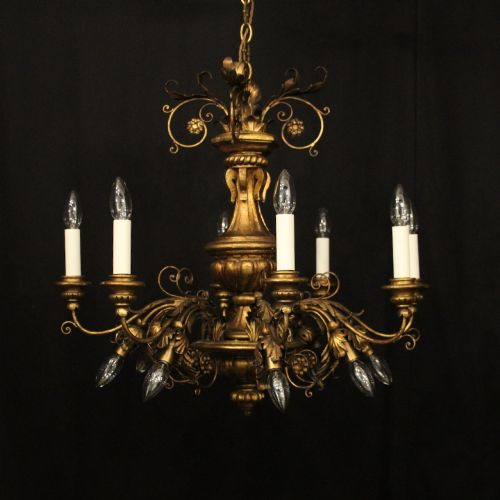
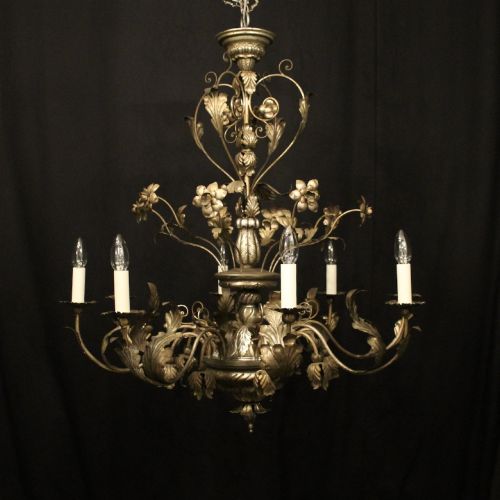
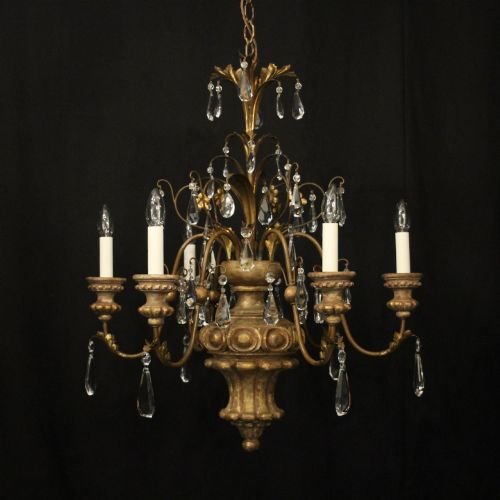
A florentine leaf chandelier brings a rich, carved canopy of foliage and soft metallic warmth to a high ceiling.
Florentine Leaf Chandelier
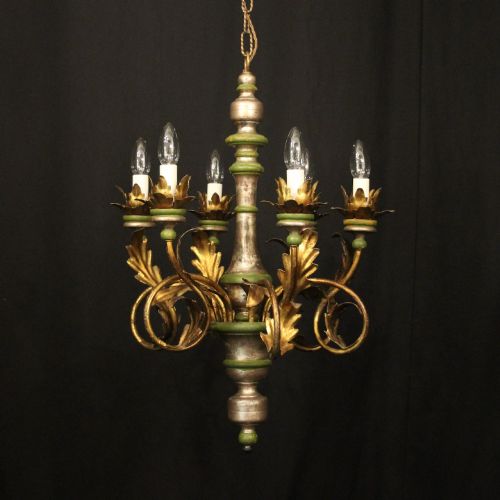
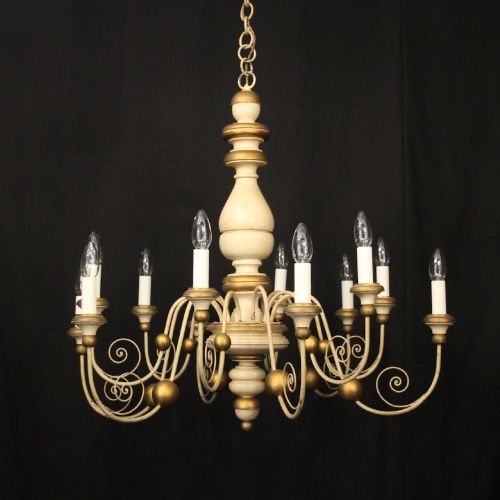
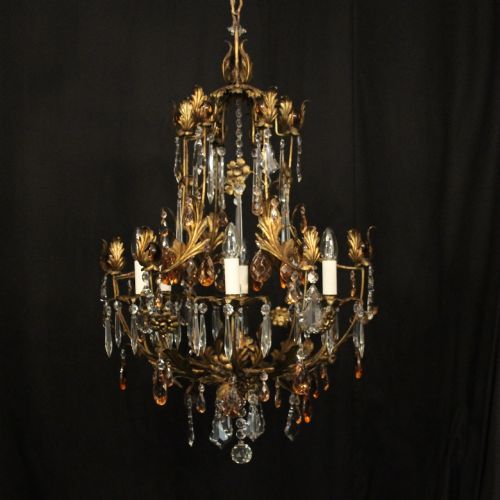
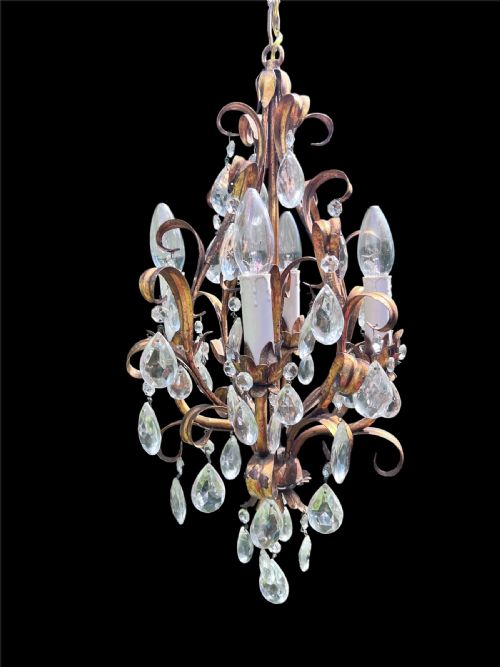
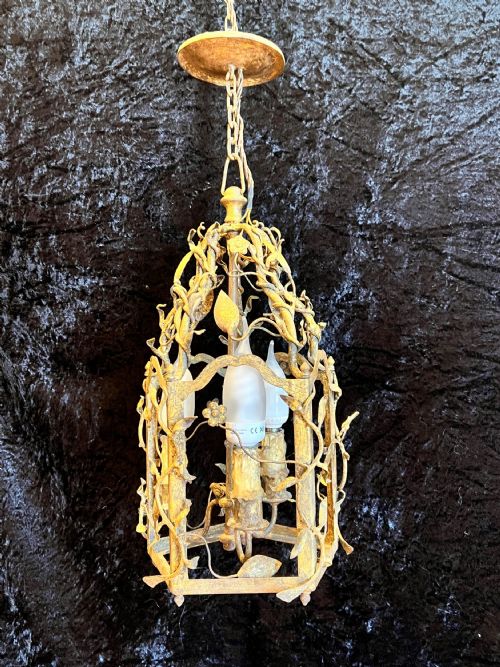
A florentine leaf chandelier takes the form of an elaborate light fitting dominated by carved foliage, scrolling branches, and hanging illumination. When someone searches for a florentine leaf chandelier, they encounter hanging fixtures designed to cast a warm glow across a room through multiple candle-style arms.
The pieces appearing on this page originate predominantly from the early decades of the twentieth century, specifically spanning the nineteen-tens through the nineteen-thirties. These lighting fixtures manifest primarily as grand chandeliers or smaller pendant lights intended for principal rooms.
The aesthetic leans heavily toward Italian Florentine and Italian Baroque idioms, accompanied by occasional French Chateau and Mid-Century French interpretations. Most examples present a profusion of giltwood, wrought iron, or gilt metal shaped to mimic natural leaf forms.
Materials and Construction
Makers constructed these chandeliers using supportive frames of wrought iron and metal, which provided structural integrity for multiple light arms. Artisans then applied layers of gold leaf, silver, or polychrome paint to achieve a luminous, aged metallic finish.
Carved giltwood formed the intricate leaf and floral motifs that define the Florentine style, wrapping around the metallic armature. Drop crystals, glass elements, and coloured fruit details were frequently suspended from the branches to refract the light.
Florentine Leaf Chandelier Retail Price Guide 2026
Typical asking prices for florentine leaf chandelier among the pieces listed under this phrase on Sellingantiques today, from the lower quarter to the upper quarter. They describe what is for sale here now, not the wider market.
Some chandeliers hide glass fruit among their leaves, ensuring the foliage bears an unexpected harvest.
Assessing Quality and Craftsmanship
The distinction between ordinary and exceptional examples rests in the depth and dexterity of the carving within the giltwood foliage. Finer pieces display deeply undercut leaves and naturalistic movement along the branches, whereas simpler versions rely on flat, repetitive stamping.
The richness of the surface finish dictates visual success, with layered gold leaf and subtle polychrome detailing outperforming plain metallic paints. Furthermore, the integration of high-grade crystal drops and balanced arm configurations elevates the overall presence of the fixture.
The Florentine Leaf Chandelier Glossary
- Giltwood
- Timber treated with a thin layer of gold leaf applied over a prepared gesso ground. This technique creates the radiant, reflective surfaces characteristic of Florentine light fittings.
- Polychrome
- Decoration employing several colours applied to wood, metal, or plaster. In these pieces, painted floral accents complement the primary metallic gilding.
- Gilt Metal
- Base metal treated with a gold-coloured wash or leaf to simulate solid gold. It offers structural strength while maintaining a luxurious appearance.
- Pendant Light
- A single light fixture suspended from the ceiling by a cord, chain, or rod rather than a branching frame. These serve as more compact alternatives to multi-armed chandeliers.
- Crystal
- High-clarity glass cut into faceted shapes to refract and multiply light. Chandeliers incorporate these elements as drops and pendants to enhance illumination.
Florentine Leaf Chandelier: Frequently Asked Questions
What rooms suit a leaf chandelier?
These decorative fixtures demand adequate ceiling height and space to allow the branching metal and carved leaves to hang properly.
Dining rooms, entrance halls, and principal sitting rooms provide the ideal proportions and visual weight to balance such ornate lighting.
How are these chandeliers wired?
Most antique fixtures require professional rewiring to meet current electrical safety standards before installation in a modern home.
Electricians can adapt the internal channels or candle tubes to accept contemporary bulbs while preserving the exterior antique appearance.
How do I date a Florentine chandelier?
Dating relies on examining the construction methods of the iron armature, the type of wiring channels, and the wear patterns on the gold leaf.
Stylistic shifts between early twentieth-century Italian workshops and mid-century interpretations also offer clear chronological markers.