




Floral Tea Set
A floral tea set brings botanical colour to the table, uniting historic ceramics with delicate hand-painted blooms from centuries past.
Floral Tea Set
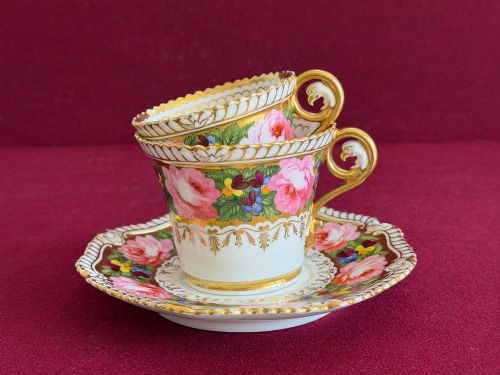
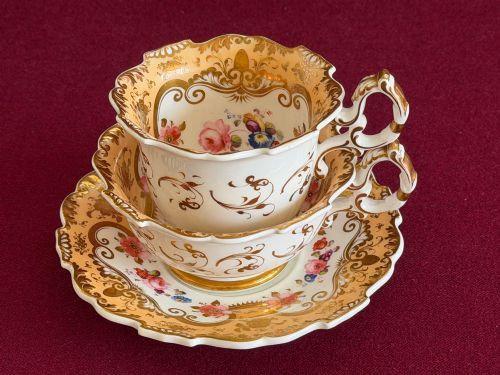
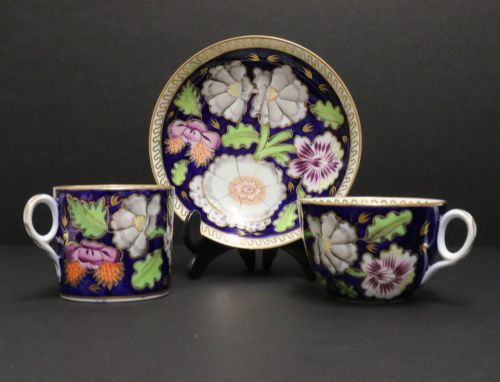
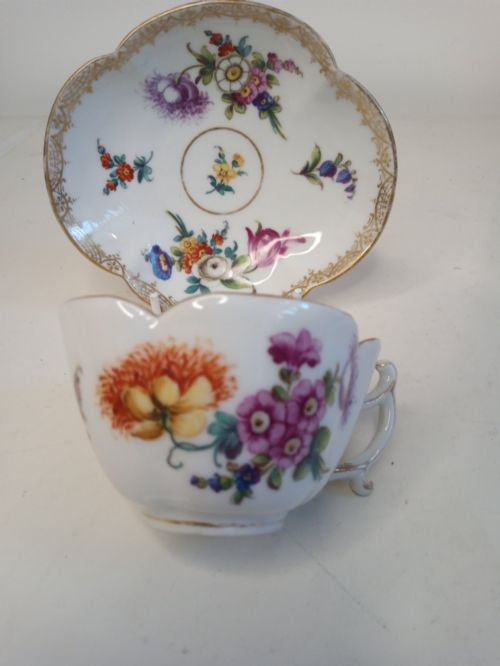
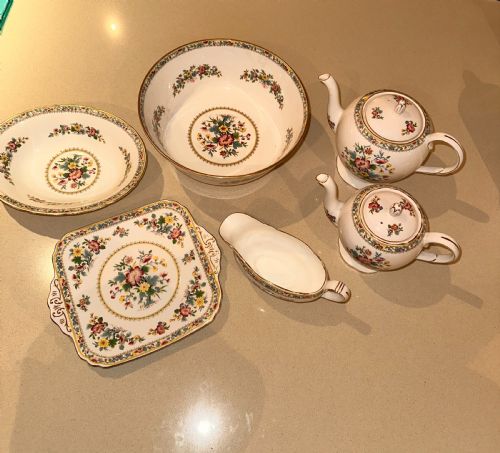
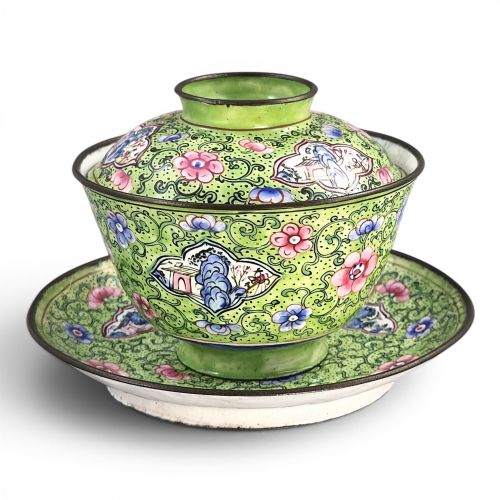
A floral tea set spans diverse forms from the Georgian, Regency, and Victorian eras, including individual trios, complete tea services, and child's sets. These services range from English bone china and porcelain to Chinese Canton enamel and Japanese Satsuma ware.
Buyers encounter everything from cabinet trios and creaming pots to extensive multi-piece dinner and tea services. The selection covers traditional English manufactories alongside continental porcelain and earthenware.
How they were made
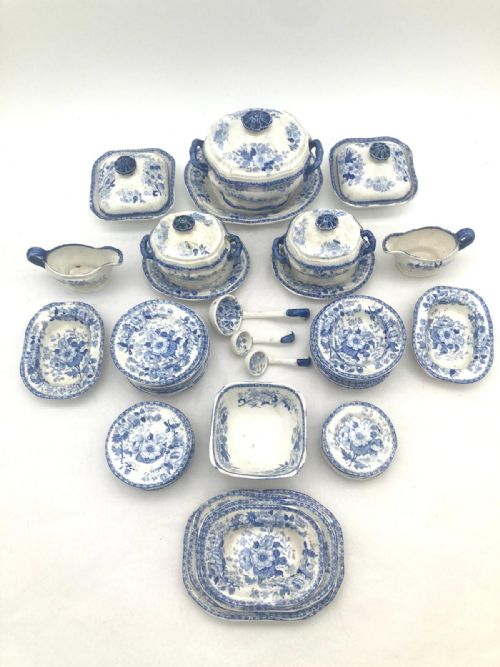
Potters utilised materials such as bone china, porcelain, creamware, and earthenware, shaping vessels on the wheel or in moulds before firing. Decoration often involved hand-painted botanical motifs, transfer printing in blue and white, and rich applications of enamel and gold leaf.
Gilding and intricate glaze work complete the pieces, with many factories employing specialised artists to render floral sprays by hand. Enamelling added vibrant colour layers over the glaze, which required secondary low-temperature firings.
Floral Tea Set Retail Price Guide 2026
Typical asking prices for floral tea set among the pieces listed under this phrase on Sellingantiques today, from the lower quarter to the upper quarter. They describe what is for sale here now, not the wider market.
Listings feature porcelain, bone china, earthenware, and silver across periods spanning the 18th century to the mid-20th century.
What varies in quality
Quality rests upon the fineness of the ceramic body and the skill evident in the hand-painted decoration. Early porcelain bodies demonstrate greater translucency, while superior sets display meticulously detailed botanical brushwork rather than mechanical transfer printing.
The precision of the gilding and the preservation of the enamel colours distinguish finer examples from standard production. Maker attribution to notable factories also elevates the standing of an individual service.
H & R Daniel·Chamberlain Worcester·Newhall·Minton·Coalport·Royal Worcester·Clarice Cliff·Royal Albert Crown China·William Moorcroft·Davenport·Hutschenreuter
The Floral Tea Set Glossary
- Trio
- A matching set comprising a teacup, coffee cup, and saucer. This combination was particularly popular in the Georgian and Regency periods.
- Transfer printing
- A method of applying complex decorative patterns to ceramic ware from an engraved copper plate via tissue paper. This technique allowed for consistent repeatable designs across a service.
- Gilt
- A thin layer of gold applied to the surface of porcelain or metal for decoration. It is often found highlighting handles, rims, and floral borders.
- Creamware
- A fine-grained earthenware with a pale yellowish-cream glaze developed in the 18th century. It served as a lighter, more refined alternative to heavier salt-glazed stonewares.
- Cabinet trio
- A decorative teaware grouping intended for display in a cabinet rather than active daily use. These pieces often feature higher artistic execution and elaborate hand-painting.
Floral Tea Set: Frequently Asked Questions
How do I date an antique tea set?
Dating relies on factory backstamps, ceramic body composition, and stylistic clues such as handle shapes and painting techniques. Comparing the pattern numbers against factory archives provides more precise manufacture windows.
Period details like Regency batwing motifs or Victorian blush ivory grounds further narrow the decade of production.
Can I use an antique tea set?
Many sets remain structurally sound for gentle use, though antique porcelain and delicate gilding require hand washing. Enamel and gold leaf can wear away over time with aggressive cleaning or abrasive detergents.
Collectors often reserve older cabinet pieces for display while utilising sturdier 20th-century bone china for occasional dining.
What is the difference between porcelain and bone china?
Porcelain is a hard, vitrified ceramic fired at high temperatures from petuntse and kaolin clays. Bone china incorporates bone ash into the paste, resulting in a warmer tone and increased chip resistance.
Both materials achieve high translucency when held to the light, a characteristic prized by collectors.
Why do some sets include coffee cups?
Georgian and Regency dining customs often separated tea and coffee service into distinct vessels within the same aesthetic scheme. A trio included a wider teacup alongside a taller, narrower coffee cup and a shared saucer.
This practice reflected the varied social rituals surrounding hot beverages during the early 19th century.