
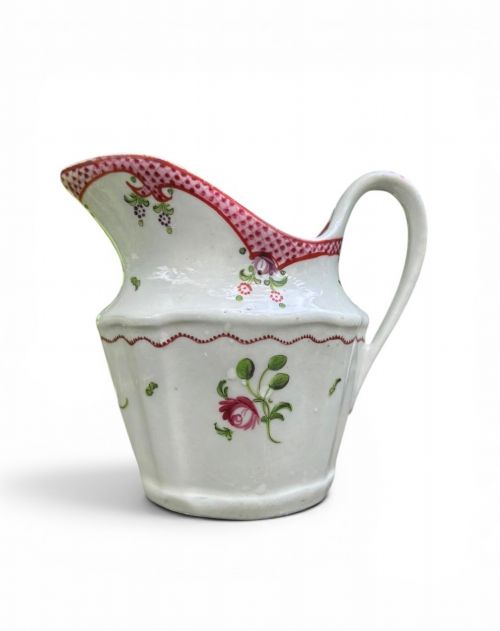


Floral Porcelain Jug
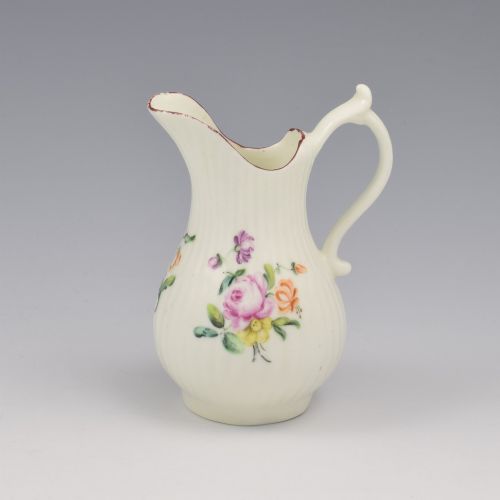
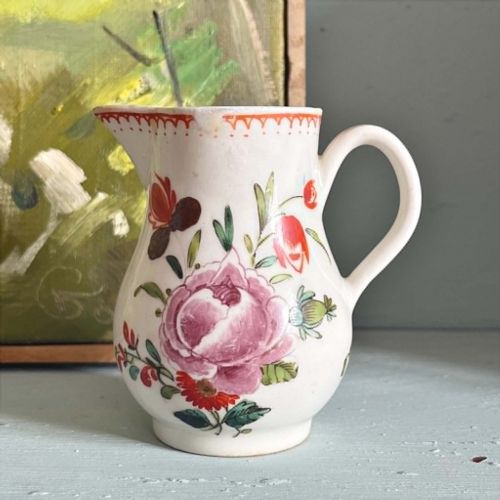
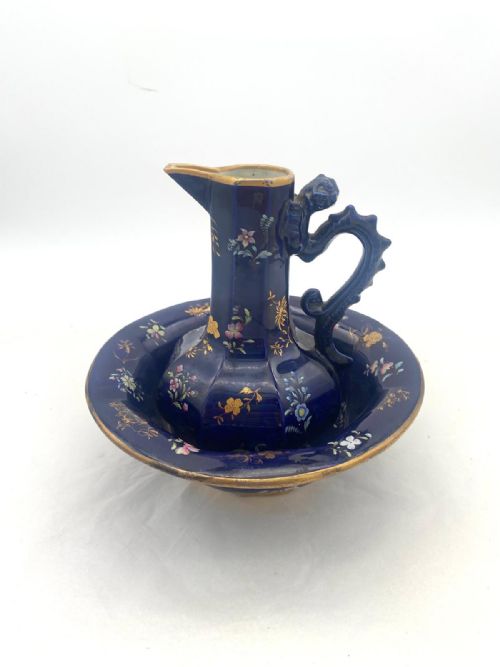
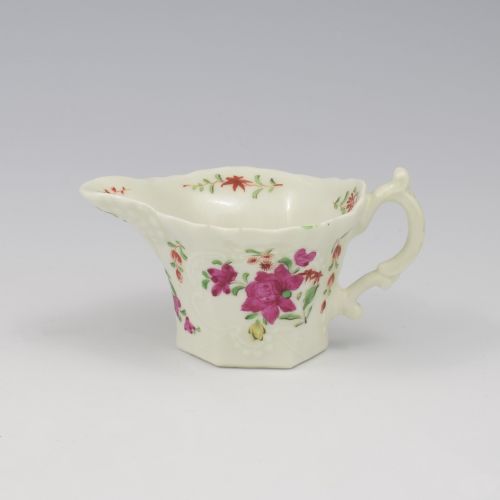
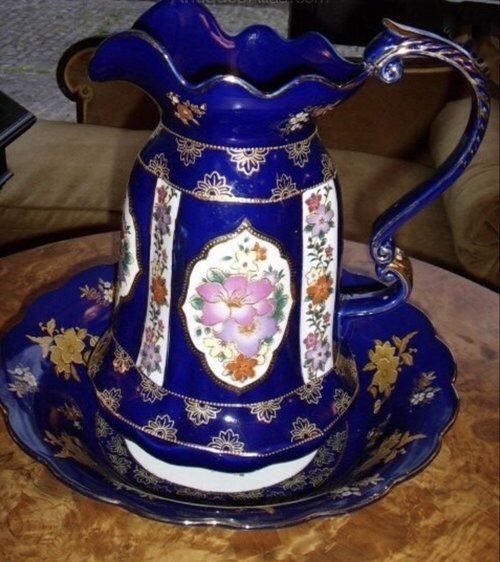
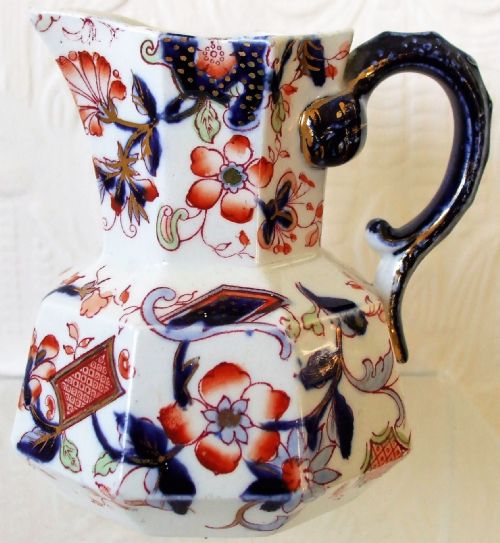
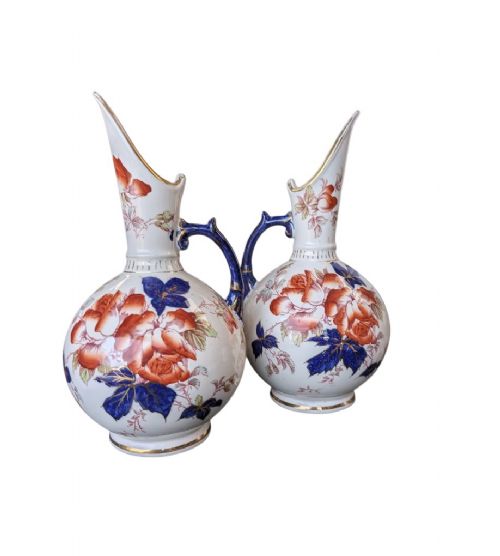
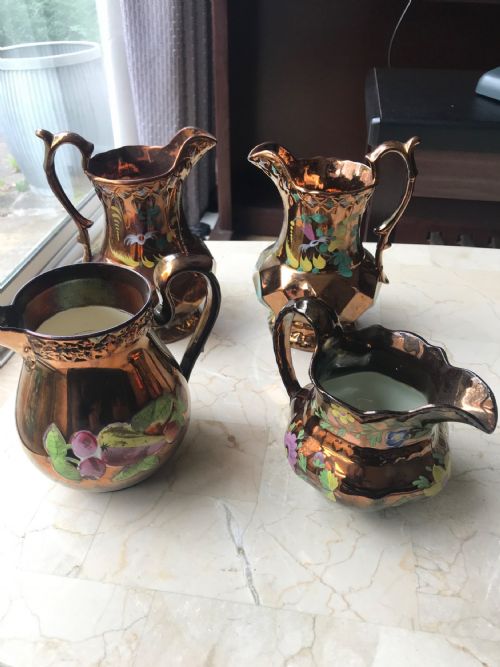
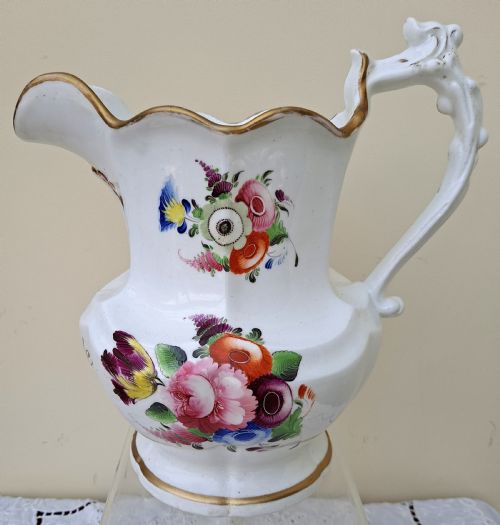
These floral porcelain jug examples range from delicate eighteenth-century creamers to substantial Victorian ewers, bringing hand-painted botanical artistry directly to the table.
Floral Porcelain Jug
A floral porcelain jug serves practical and decorative roles across several centuries, appearing as small creamers, milk jugs, and large washstand ewers. Buyers exploring this category encounter eighteenth-century paste bodies alongside nineteenth-century domestic wares.
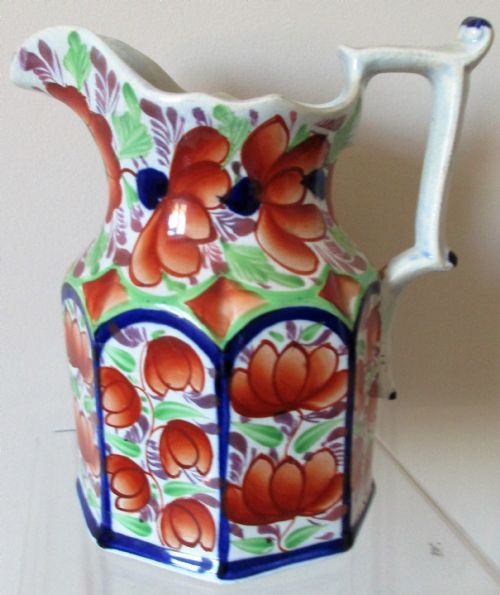
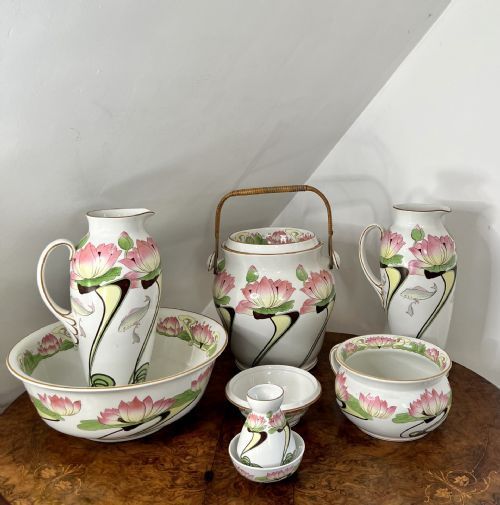
The selections span distinct periods, featuring Georgian porcelain cream jugs with polychrome flowers alongside Victorian ceramic and earthenware pitchers. Many examples integrate botanical motifs with utilitarian forms such as wash sets and coffee pots.
Origin points vary from English factories like Royal Worcester, Bow, and New Hall to continental makers such as Meissen and Kpm. Pieces range from intimate sparrowbeak creamers to commanding exhibition pieces like the Royal Worcester blush ivory ewers.
Materials and Techniques
Potters built these vessels using porcelain, earthenware, and ceramic bodies, often finished with a smooth glaze to seal the porous clay. Early pieces utilise soft-paste or hard-paste porcelain recipes shaped by hand or moulded in traditional forms.
Early Derby porcelain makers thoughtfully incorporated leaping dolphins and bird beaks into functional cream jugs, proving that morning dairy service required a touch of marine sculpture.
Quality and Execution
Execution of the hand-painted floral panels distinguishes standard domestic vessels from superior factory output. Finer pieces demonstrate precision in brushwork, delicate shading on petals, and skillful application of gold leaf or gilding.
The refinement of the ceramic body and the crispness of moulded elements, such as fluting or cleft handles, mark the tier of manufacture. Early porcelain bodies show thinner walls and greater translucency compared to heavier Victorian earthenware.
Keeling and Co·John Baley·Walker and Hall·Doulton Burslem·Royal Worcester
The Floral Porcelain Jug Glossary
- Ewer
- A large jug with a wide spout and curved handle, historically used for water or wine rather than dairy. Ewers often feature elaborate decorative bodies and substantial handles.
- Sparrowbeak
- A small eighteenth-century cream jug characterised by a distinctive, pinched spout resembling a bird beak. These delicate vessels typically measure under four inches in height.
- Blush Ivory
- A specialised Royal Worcester ceramic finish developed in the late nineteenth century featuring soft peach and cream tints beneath a matt glaze. This surface frequently serves as a ground for hand-painted floral decoration.
- Polychrome
- Multicoloured decoration applied to ceramics using various enamel pigments. This technique allows for detailed botanical painting across domestic jugs and tea wares.
- Gilding
- The application of gold leaf or gold powder to ceramic surfaces, highlights, and rims. High-quality gilding shows burnished brilliance alongside painted floral panels.
Floral Porcelain Jug: Frequently Asked Questions
How do I date an antique floral jug?
Dating relies on factory marks, paste composition, and stylistic cues such as handle shape and floral painting style. Eighteenth-century pieces typically feature unglazed foot rims and soft-paste bodies.
Nineteenth-century examples introduce printed registration marks, aesthetic movement influences, and distinct manufacturer stamps beneath the glaze.
What is the difference between a jug and an ewer?
A jug generally serves daily table functions like pouring cream, milk, or water during meals. These pieces remain relatively compact for easy handling.
An ewer functions as a larger, more decorative pitcher designed for washing stands or display, often featuring an exaggerated spout and classical proportions.
Can I use these antique jugs daily?
Most antique porcelain and ceramic jugs tolerate gentle handling, though thermal shock from boiling liquids can risk fragile historic bodies. Hand washing protects delicate hand-painted enamel and gold gilding from fading.
Displaying them on shelves or using them for dry floral arrangements preserves the eighteenth and nineteenth-century surfaces safely.
Why do some jugs feature blush ivory finishes?
Victorian potteries developed blush ivory to satisfy a growing demand for soft, naturalistic backgrounds that contrasted with bright floral painting. This finish creates a warm, tactile surface quality.
It appears frequently on late nineteenth-century ewers and decorative pitchers produced by major manufacturers.