



Floral Lamp Base
These floral lamp base pieces bring botanical warmth to a room, uniting functional lighting with intricate floral ornament.
Floral Lamp Base
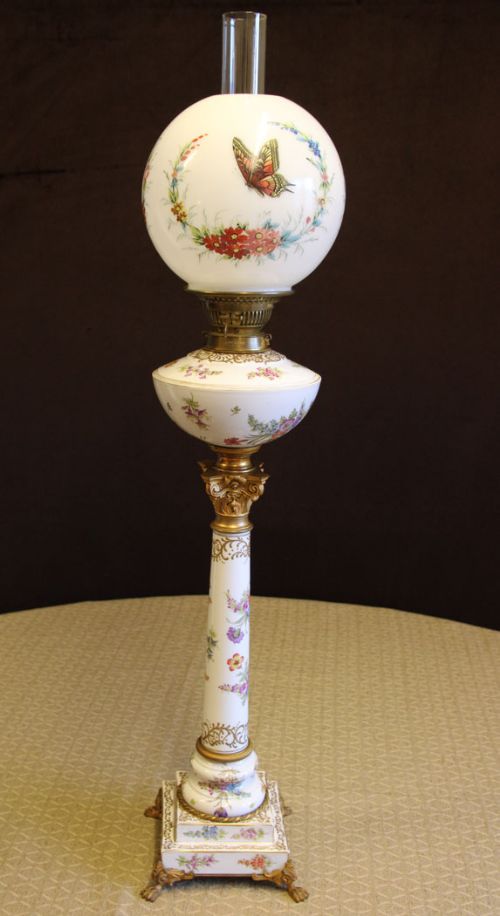
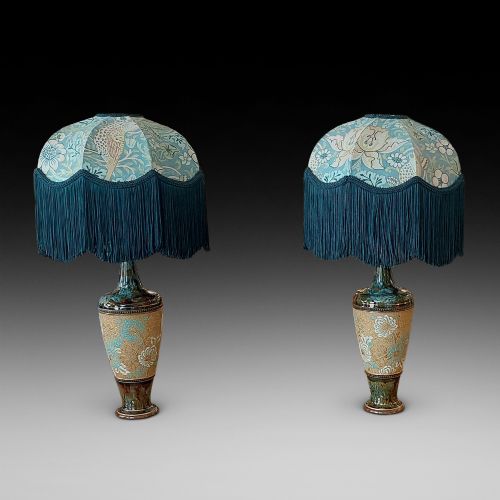
A floral lamp base transforms traditional lighting through botanical motifs, taking the form of table lamps, floor lamps, and converted oil lamps. These pieces span periods from the eighteenth century to the twentieth century, encompassing Victorian, Art Nouveau, and Arts and Crafts styles.
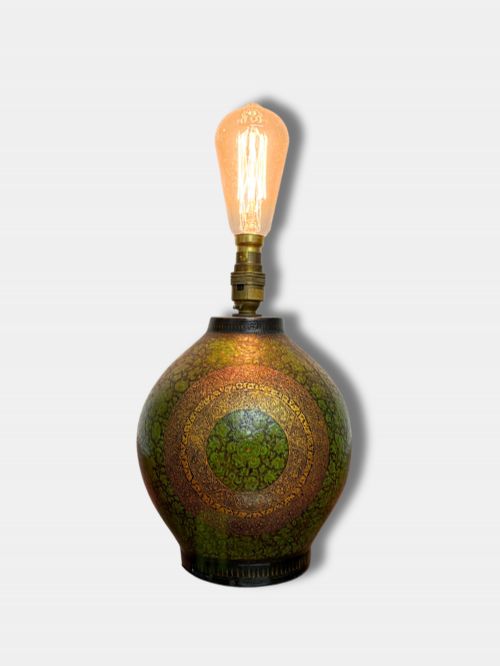
The materials vary widely across the selection, including porcelain, brass, wood, glass, and papier-mache. Many items originate from diverse traditions, such as Kashmiri hand-painted work, Chinese porcelain vases, and European ceramic manufactories.
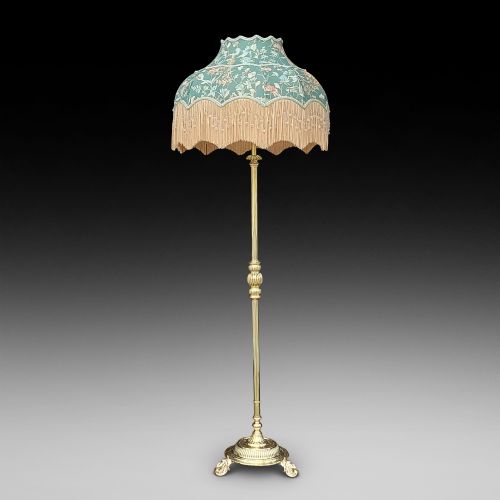
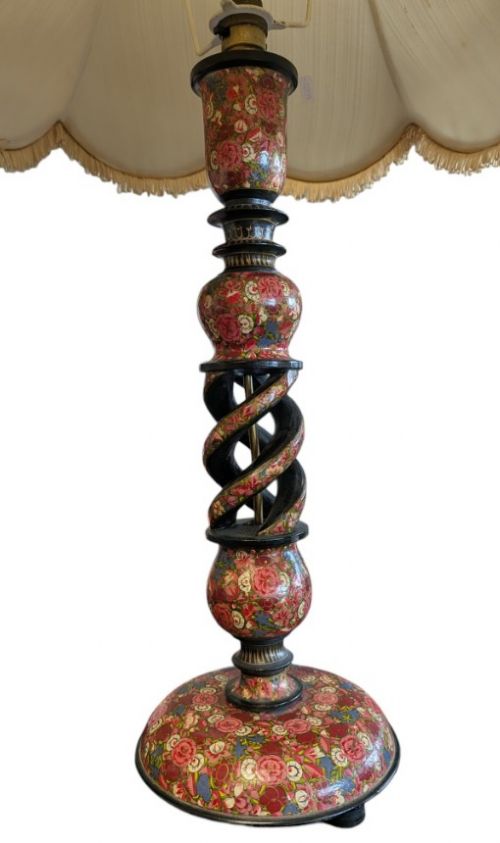
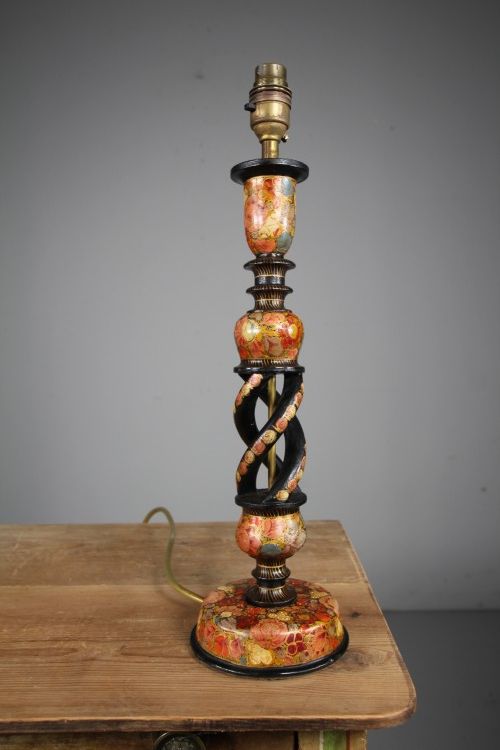
Buyers most frequently encounter early twentieth-century Kashmiri painted wooden columns and Victorian brass standards adapted for modern electrical use. These diverse forms share a common focus on floral decoration, whether rendered in enamel, hand-painted pigments, or openwork metal.
Materials and construction
Makers utilised rigid substrates like brass, wood, papier-mache, and ceramics, shaping them into baluster vases, ginger jars, and adjustable standards. Brass components often display openwork casting, while wooden and papier-mache bodies receive detailed hand-painted floral coats in gilt, green, and other pigments.
Ceramic sections rely on porcelain and faience bodies decorated with famille rose, famille verte, or transfer-printed botanical motifs. Glass elements, including frosted and moulded shades or figurines, incorporate floral forms directly into the translucent material.
Floral Lamp Base Retail Price Guide 2026
Typical asking prices for floral lamp base among the pieces listed under this phrase on Sellingantiques today, from the lower quarter to the upper quarter. They describe what is for sale here now, not the wider market.
Some items started out holding paraffin oil or ginger, now happily glowing in the corner with a floral outfit.
Assessing quality and execution
The standard of painting and surface finish dictates the visual impact of each piece, distinguishing finely brushed floral details from simpler decoration. Crisp casting in brass openwork and smooth joins in converted standards separate superior metalwork from basic production.
The integration of the original vessel or standard with modern lamp fittings affects the overall proportion and balance. Intact porcelain bodies and well-preserved lacquered or painted wooden surfaces retain stronger aesthetic integrity over time.
Royal Doulton Slaters·Sitzendorf·Baccarat·Sevres
The Floral Lamp Base Glossary
- Baluster
- A tapering, circular architectural form with a swollen lower portion, frequently seen in the ceramic vase bodies adapted for these lights. This silhouette provides a stable centre of gravity for tall fittings.
- Cloisonne
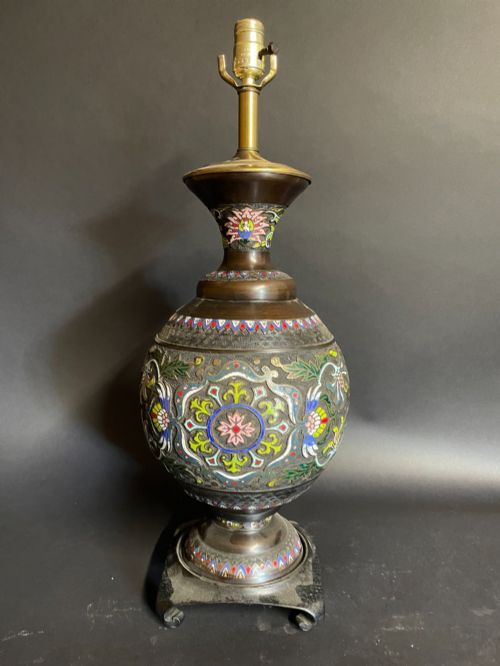
- A metalwork technique where wires form compartments on a surface, which are then filled with coloured enamel pastes and fired. It produces distinct bordered sections of floral pattern.
- Ormolu
- Gilded bronze mounts applied to porcelain or ceramic bodies for decorative and structural support. French pieces often employ this technique to frame floral porcelain forms.
- Famille rose
- A palette of opaque enamel colours dominated by pink, used extensively on Chinese porcelain vases that later became lamp bases. The palette derives its name from the principal rose-pink enamel introduced in the eighteenth century.
Floral Lamp Base: Frequently Asked Questions
Are these lamps converted from older items?
Many examples begin life as oil lamps, ginger jars, vases, or decorative figurines before receiving electrical fittings. This adaptation allows historic vessels to function as contemporary table and floor lighting.
Makers often drill the base or mount the collar to accommodate modern wiring while preserving the external decorative character of the original piece.
How do I identify a Victorian lamp base?
Victorian pieces frequently utilise heavy brass standards, adjustable columns, or elaborate oil lamp reservoirs. Materials from this period often reflect industrial casting techniques and traditional domestic lighting formats.
Look for structural elements designed for burning oil, such as burners or weighted bases, which distinguish nineteenth-century examples from later electric designs.
What maintenance do painted wooden bases require?
Painted wooden and papier-mache pieces benefit from stable indoor humidity and protection from direct sunlight to preserve surface pigments and lacquers. Dusting with a dry, soft cloth prevents particulate buildup without risking moisture damage to the finish.
Avoid liquid cleaning agents on painted surfaces, as older pigments and varnishes can react poorly to chemical solvents.
How do I date an antique ceramic lamp?
Dating relies on stylistic markers of the porcelain body, glaze characteristics, and any visible factory marks on the underside. Chinese famille patterns, Japanese Arita forms, and European porcelain styles each correspond to specific periods of production.
The wiring and fittings are usually modern replacements, so dating depends entirely on the base object rather than the electrical components.