


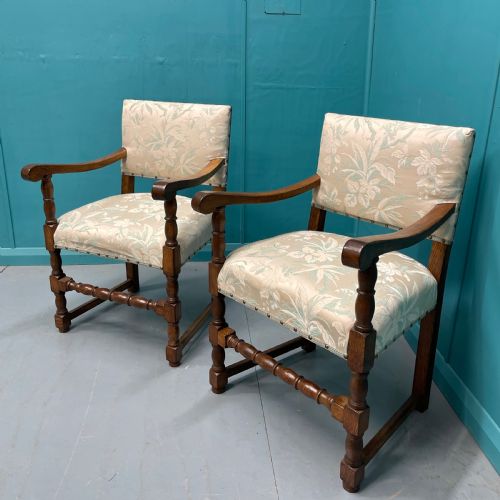


Floral Damask Chair
These floral damask chair pieces bring pattern and presence to a room, offering comfortable seating shaped by decades of history.
Floral Damask Chair
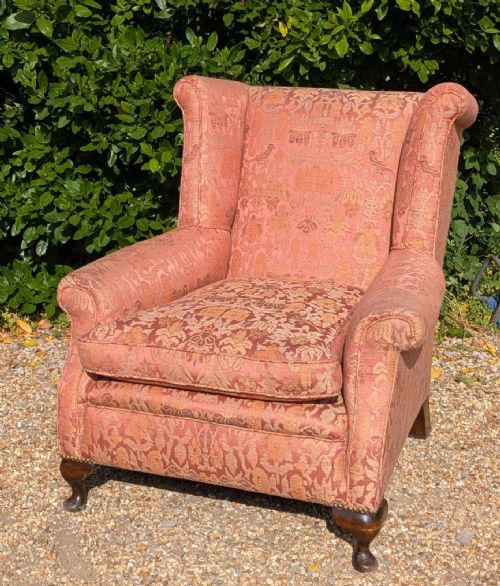
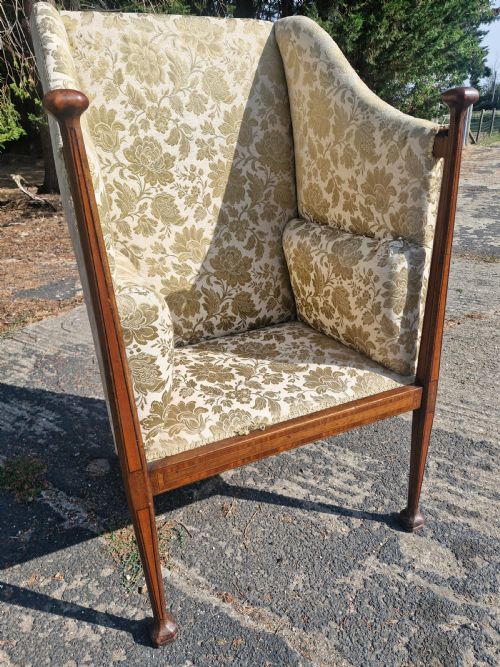
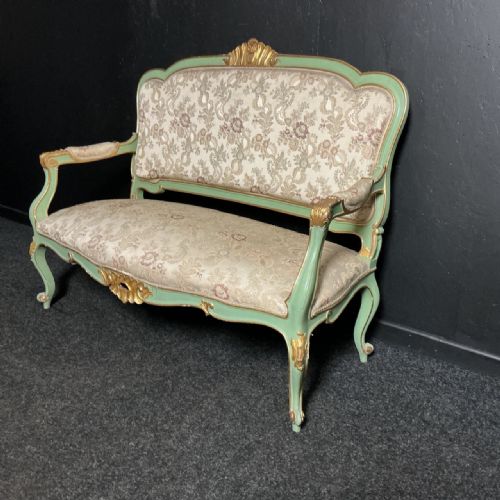
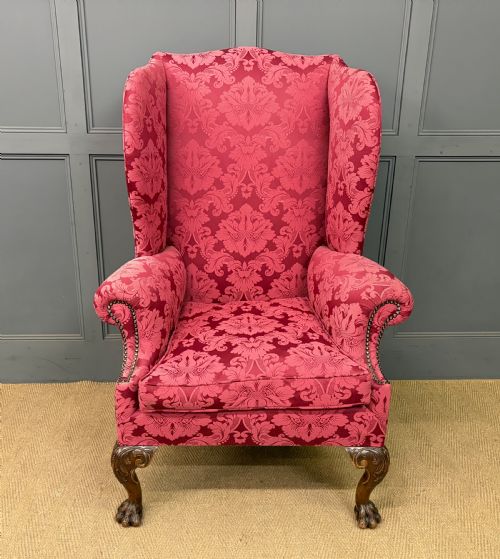
A floral damask chair combines traditional seating forms with patterned upholstery that carries a distinct historical footprint. When you search for a floral damask chair, you encounter sturdy armchairs, fireside wingbacks, and occasional seats designed for both utility and display.
The selections span from early eighteenth-century origins through Victorian, Edwardian, and mid-century revivals. Walnut and mahogany frames dominate the offerings, often shaped in Queen Anne or Chippendale styles.
Armchairs and high-backed fireside versions appear most frequently in the current inventory. These pieces range from simple wooden frames to inlaid mahogany and marquetry finishes.
Materials and construction
Makers utilised solid timbers like mahogany, walnut, and oak to build robust frames that support upholstered bodies. Wood turning, carving, and marquetry inlay provide the structural and decorative detail on the exposed frame components.
Upholstery relies on fabric and damask textiles, sometimes accompanied by feather filling for internal comfort. Brass elements occasionally accent the timber framework and feet.
Feather filling ensures these antique armchairs remain comfortable enough for an afternoon nap.
Assessing quality and craftsmanship
The distinction between standard and superior pieces rests in the execution of the timber frame and the precision of the joinery. Hand-carved details and inlaid marquetry demonstrate a higher level of workshop skill than plain painted surfaces.
The condition and historical integrity of the upholstery and internal stuffing dictate the overall execution. Original timber frames paired with sympathetic reupholstery retain greater character than heavily altered examples.
The Floral Damask Chair Glossary
- Damask
- A reversible figured fabric with patterns formed by weaving, traditionally utilising silk, wool, or contemporary fibres. This textile defines the patterned upholstery seen across many period seats.
- Wingback
- An armchair featuring side panels attached to the armrests designed to shield the occupant from drafts. These high-backed chairs often serve as fireside seating.
- Marquetry
- The art of applying pieces of veneer to a structure to form decorative patterns. This technique appears on walnut and mahogany furniture frames.
- Cabriole
- A furniture leg that curves out and then in, resembling the leg of an animal. This form frequently characterises Queen Anne and Chippendale styles.
- Prie-Dieu
- A small devotional chair featuring a low seat and a tall, narrow back designed for kneeling or leaning. These Victorian pieces often include upholstered frames.
Floral Damask Chair: Frequently Asked Questions
How do I date a wing chair?
Dating relies on examining the timber species, the shaping of the frame, and the construction methods used in the joints. Earlier pieces often display hand-carved details and native hardwoods.
Later revival pieces replicate these historical silhouettes while employing nineteenth or twentieth-century manufacturing techniques.
Are these chairs suitable for daily use?
Many of these seating pieces are robust enough for daily placement in a living room or study. Solid wood frames provide durable structural support.
Buyers should assess the internal stuffing and fabric condition to determine if professional reupholstery is required before regular use.
What is the difference between an armchair and a fireside chair?
Fireside chairs usually incorporate high backs and protective wing panels designed to block household draughts. Standard armchairs focus on open frames and relaxed seating angles.
Both forms utilise upholstered surfaces to provide comfort.