




Floral Bedside Lamp
A floral bedside lamp brings warm illumination and botanical motifs to a bedroom, combining practical lighting with ornamental character.
Floral Bedside Lamp
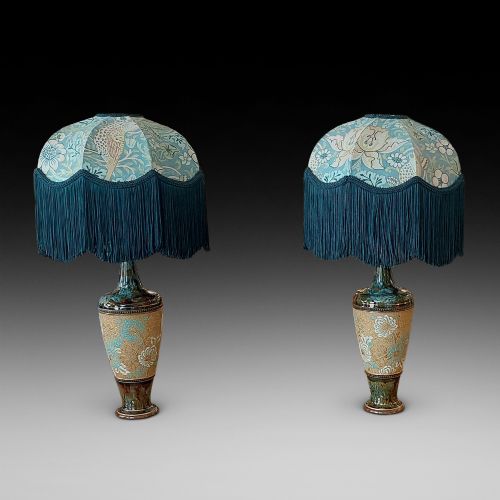
A floral bedside lamp brings botanical detail to the bedroom, often taking the form of hand-painted porcelain bodies, floral fabric shades or intricately decorated bases. Buyers search for these pieces to add a touch of traditional ornament or regional craftsmanship to a bedside table.
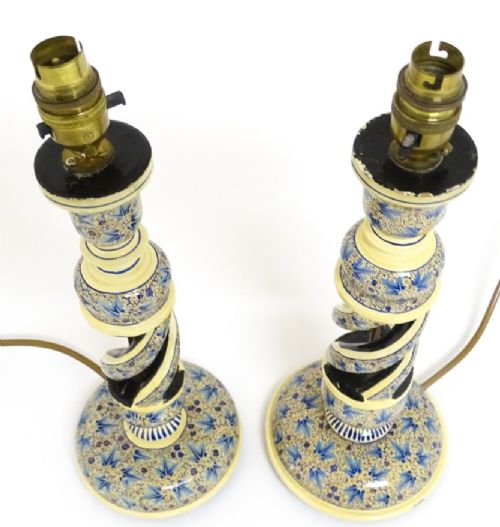
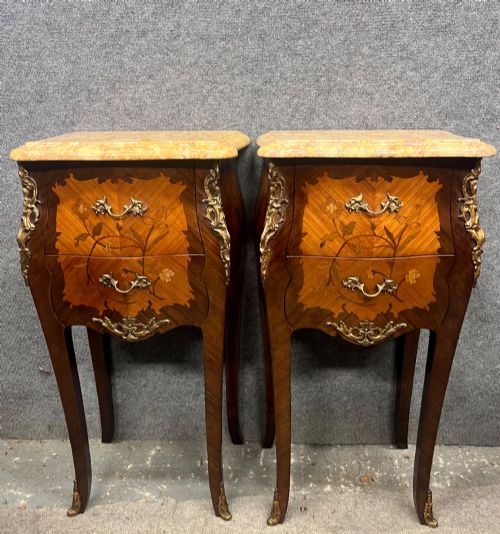
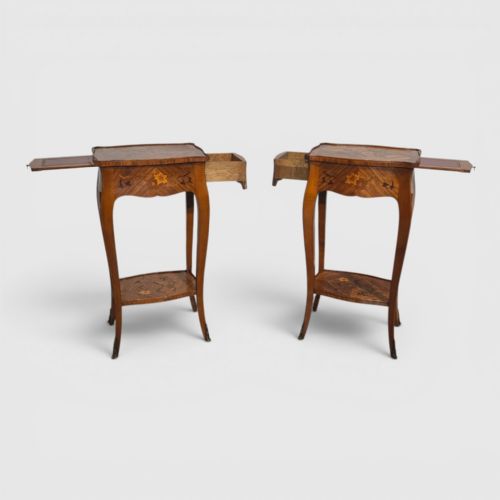
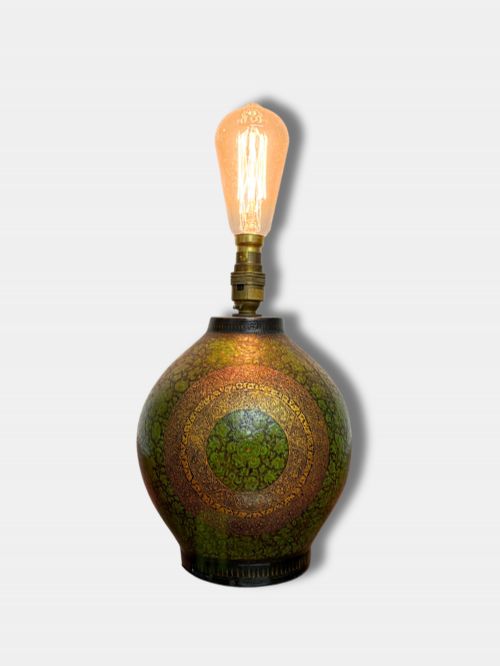
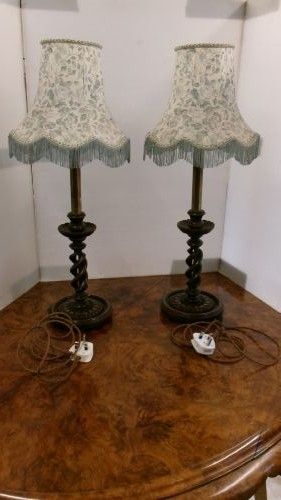
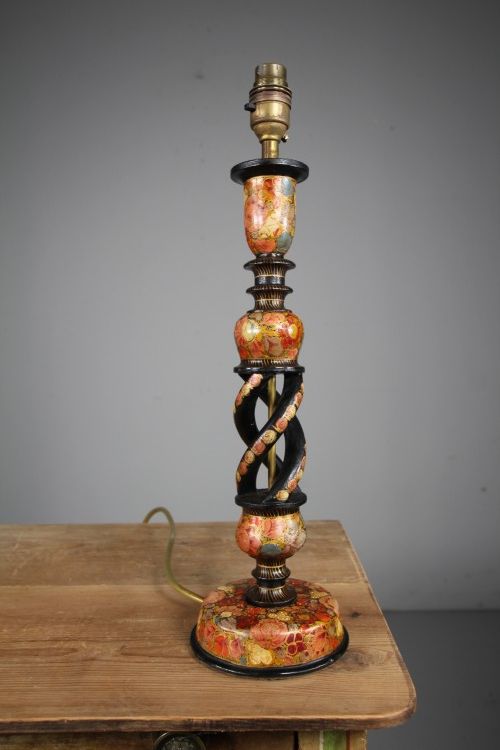
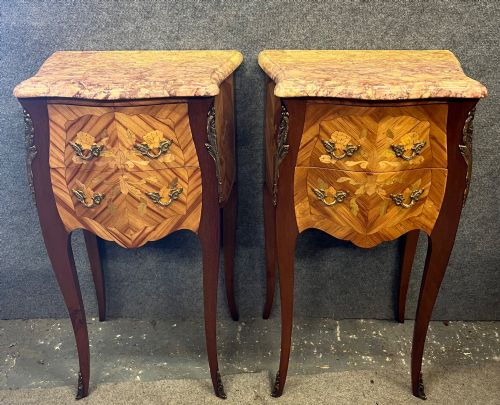
The versions most commonly met on this page include Kashmiri hand-painted wooden columns, French porcelain or Toleware vessels mounted as lamps, and stoneware bodies dating from the nineteenth and early twentieth centuries. These objects sit alongside small occasional tables, lamp chests and bedside cabinets that share similar periods.
Originating from periods spanning the Victorian era through the Art Deco years, these lamps draw on styles such as Art Nouveau, Chinoiserie and French Rococo Revival. They combine utility with decorative motifs that reflect the design priorities of their respective decades.
Materials and construction methods
Construction relies on a mix of brass, wood, porcelain, marble, ormolu and papier-mâché, shaped into sturdy bases or slender columns to support electrical fittings. Stoneware and faience bodies provide weight and durability, while fabric shades diffuse the light.
Surface decoration frequently involves hand-painting, marquetry inlay, gilt gold accents and enamel work, particularly on Kashmiri and Chinese-inspired pieces. Artisans utilised traditional techniques to apply intricate floral patterns directly onto wood, ceramic or metal surfaces.
Floral Bedside Lamp Retail Price Guide 2026
Typical asking prices for floral bedside lamp among the pieces listed under this phrase on Sellingantiques today, from the lower quarter to the upper quarter. They describe what is for sale here now, not the wider market.
Listings include items spanning the 19th Century, Victorian, Edwardian, 1900, 1910, 1920, and 1930 periods, featuring materials such as brass, porcelain, fabric, wood, and marble.
Distinguishing quality across pieces
Quality separates through the precision of the hand-painted details and the integrity of the materials, such as solid walnut, heavy brass or fine porcelain. Superior examples display crisp inlay work, well-preserved gilding and balanced proportions that anchor the lamp securely.
The execution of the decorative style marks the upper tier, where regional motifs or revival details are rendered with clarity rather than hasty repetition. Finer pieces maintain harmonious integration between the base material and the applied ornamentation.
The Floral Bedside Lamp Glossary
- Ormolu
- A gilt-bronze technique used for decorative mounts on furniture and lamp bases, popular in French revival styles. It provides a metallic sheen that complements porcelain and wood.
- Marquetry
- The art of applying pieces of veneer to a structure to form decorative patterns, frequently seen on the lamp tables and bedside chests accompanying these lights. This technique utilises different wood grains for contrast.
- Cloisonné
- An ancient technique for decorating metalwork objects with colourful material held in place by thin metal strips. It appears on Asian-inspired vases adapted into lamp bases.
- Faience
- Tin-glazed earthenware decorated with opaque colours, often featuring hand-painted floral motifs. It provides a smooth surface for detailed imagery on table lamps.
- Toleware
- Painted or enamelled sheet metal items that imitate traditional lacquerwork, sometimes incorporating floral designs. This material appears on decorative lamp shades and body components.
Floral Bedside Lamp: Frequently Asked Questions
How do I style a floral bedside lamp?
Pair the lamp with neutral or complementary wooden bedside furniture, such as walnut or yew wood chests, to let the floral motifs stand out without visual clutter.
Ensure the height of the lamp aligns with your eye level when seated in bed for comfortable evening reading and balanced proportions.
What periods do these lamps come from?
The pieces span from the Victorian era and the Edwardian period through to the 1920s and 1930s, encompassing Art Nouveau and Art Deco designs.
Earlier examples often feature porcelain or heavy brass, while later twentieth-century pieces introduce painted faience and Kashmiri woodwork.
Are these lamps suitable for modern bedrooms?
The botanical designs and varied materials, including brass, porcelain and carved wood, bridge traditional interiors and eclectic modern spaces with ease.
Their compact scale makes them practical for placement on smaller side tables and bedside cabinets.
How do I identify different regional styles?
Look for distinct material choices and decorative techniques, such as gilt and green Kashmiri painted wood or French porcelain with cherub motifs.
Asian-inspired pieces often utilise cloisonné or baluster ceramic forms, distinguishing them from European revival styles.