




Fitted Apothecary Cabinet
A fitted apothecary cabinet offers compartmentalised storage and historic utility, bringing functional organisation and period charm to any room.
Fitted Apothecary Cabinet
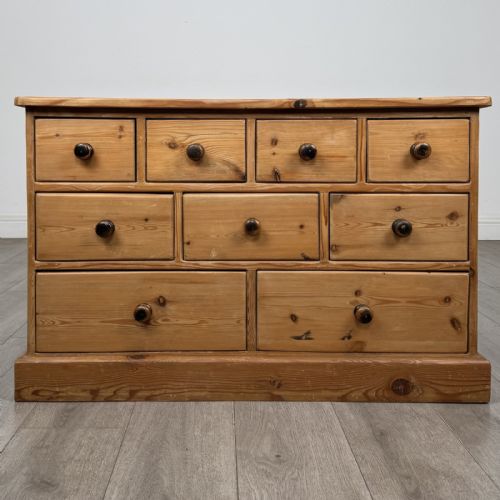
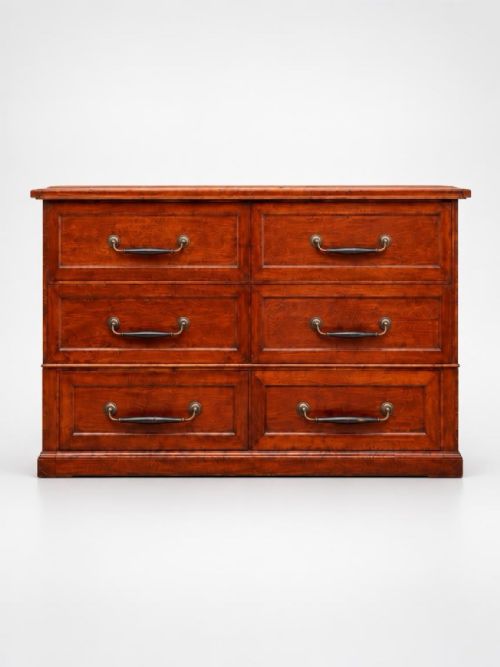
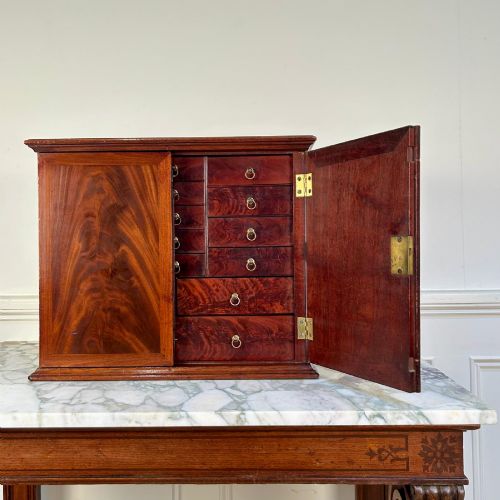
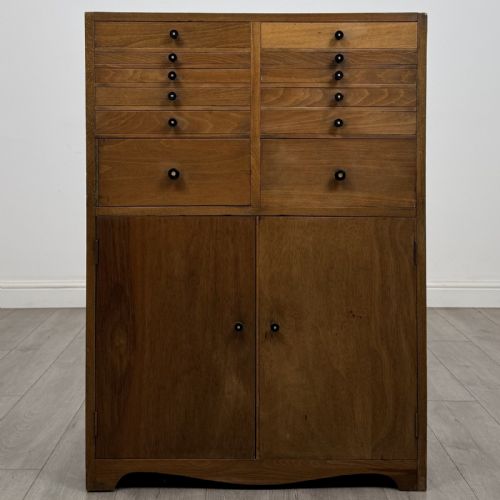
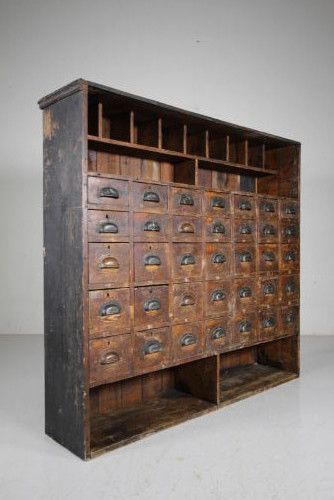
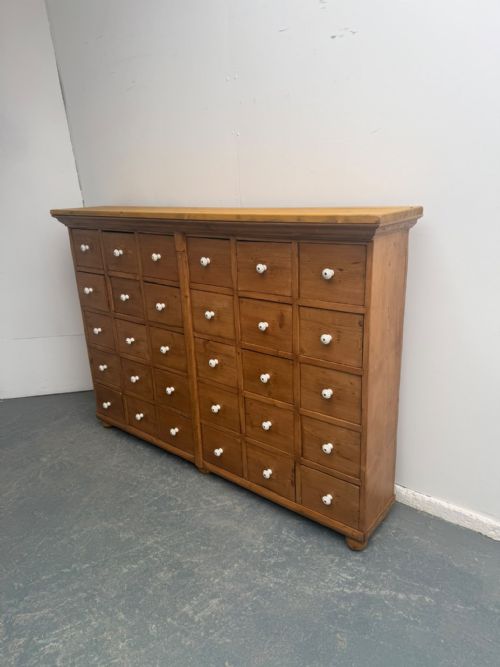
A fitted apothecary cabinet spans compact portable medicine chests from the eighteenth century to large multi-drawer shop fittings from the Victorian and Edwardian eras. When searching for a fitted apothecary cabinet, buyers encounter diverse forms including spice cupboards, collectors cabinets, and banks of drawers designed for specific organisational tasks.
The selection here draws primarily from 18th century, Georgian, Victorian, and 1930s periods, incorporating styles ranging from rustic country pine to formal mahogany Regency revival pieces. These items served functional roles in commerce, households, and medical practices before finding a second life in modern interiors.
Most pieces combine internal partitions, small drawers, or fitted bottle compartments with sturdy exterior carcases built from timber. Whether housing glass bottles in a Georgian box or organising small items in a multi-drawer pine shop fitting, each piece reflects the practical demands of its original trade.
What varies in quality
The integrity of the internal fittings and the completeness of original compartments separate standard examples from finer specimens. Cabinets retaining their original glass bottles, velvet inserts, and dividing partitions hold greater historical completeness.
Timber selection and exterior finish influence the overall character, with figured mahogany and finely matched burl walnut standing apart from utilitarian pine carcases. The precision of the drawer fit and the subtlety of the timber grain determine the standing of individual pieces within their period.
Fitted Apothecary Cabinet Retail Price Guide 2026
Typical asking prices for fitted apothecary cabinet among the pieces listed under this phrase on Sellingantiques today, from the lower quarter to the upper quarter. They describe what is for sale here now, not the wider market.
Listings feature multi-drawer pine shop fittings alongside eighteenth-century mahogany collectors cabinets and Georgian medicine chests.
The Fitted Apothecary Cabinet Glossary
- Apothecary box
- A portable wooden chest fitted with internal compartments designed to store medical bottles, scales, and ingredients. These boxes often feature brass carrying handles and locking mechanisms to secure contents during transport.
- Bank of drawers
- A large cabinetry form featuring numerous small drawers arranged in a grid, historically used in shops and surgeries for systematic stock organisation. The configuration ranges from twelve to fifty drawers depending on the intended trade.
- Collectors cabinet
- A specialised storage piece containing shallow drawers intended for specimens such as coins, shells, or insects. These cabinets frequently utilise high-grade timbers like mahogany or walnut with refined glass or solid panel doors.
- Shop fitting
- Furniture built specifically for commercial retail environments, including multi-drawer counters and display cases. Hungarian and French pine examples often exhibit original painted surfaces applied during their working life.
Fitted Apothecary Cabinet: Frequently Asked Questions
What was an apothecary cabinet used for?
These cabinets stored medicinal ingredients, dried herbs, pre-prepared remedies, and compounding equipment for physicians and pharmacists. Portable versions allowed doctors to transport treatments directly to patients.
In domestic settings, smaller spice cupboards and medicine chests performed similar organizational roles for household provisions and personal health care.
How do I date a wooden medicine chest?
Dating relies on timber choice, construction methods, hardware style, and any maker marks present on the piece. Georgian and eighteenth-century examples tend to feature fine mahogany with hand-cut dovetails and brass campaign hardware.
Later Victorian and Edwardian pieces often incorporate softer woods, standardised iron fixings, or painted finishes typical of commercial shop interiors.
Can I use an apothecary cabinet in a kitchen?
The numerous small drawers and compartmentalised interiors make these cabinets well suited for organising kitchen spices, utensils, and dry goods. Multi-drawer pine shop fittings provide substantial tabletop space and deep storage capacity.
Placing them in a modern interior requires balancing environmental humidity to protect historic timber and original painted or polished surfaces.
What is the difference between an apothecary box and a shop fitting?
An apothecary box is typically a portable, box-form chest with a hinged lid or opening front designed to sit on a table or travel. Shop fittings are larger, stationary furniture pieces like banks of drapers or haberdashery drawers built to furnish commercial premises.
While boxes focus on portable medical storage, shop fittings provide extensive multi-drawer capacity for retail stock display.