




First Edition Book
A first edition book is the initial commercial printing of a text, offering collectors a direct link to the original publication of literary, artistic or historical works.
First Edition Book
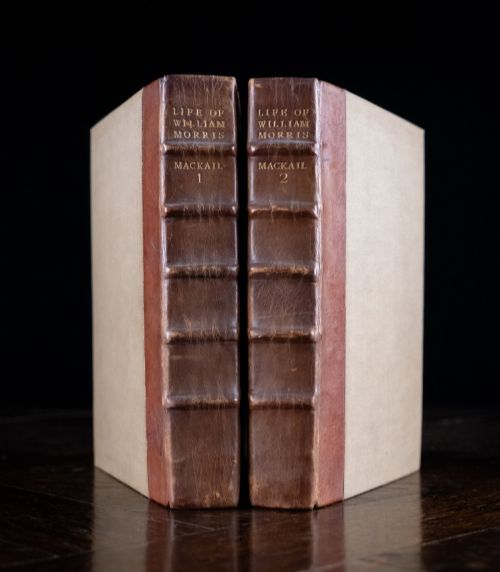
A first edition book represents the earliest state of a published volume, ranging from seventeenth-century antiquarian works to twentieth-century illustrated sets and prints. Buyers seeking a first edition book often encounter multi-volume sets, individual biographies, or compiled memoirs spanning the seventeenth through the early twentieth centuries.
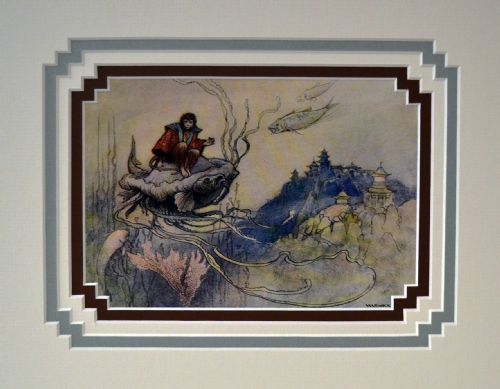
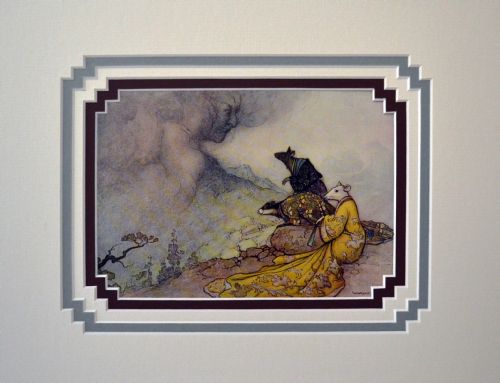
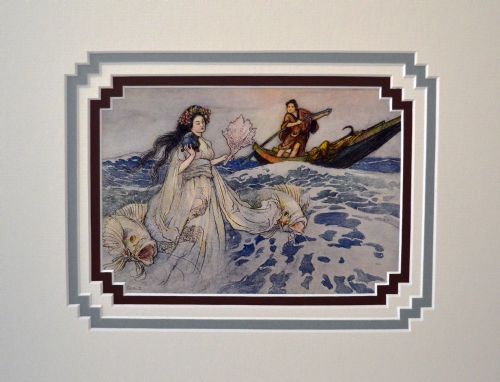
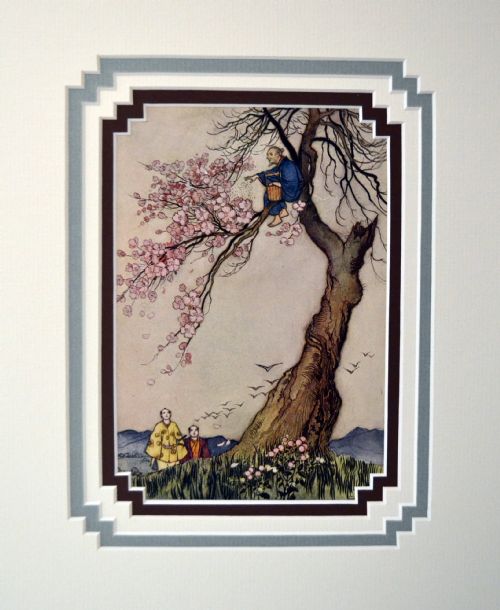
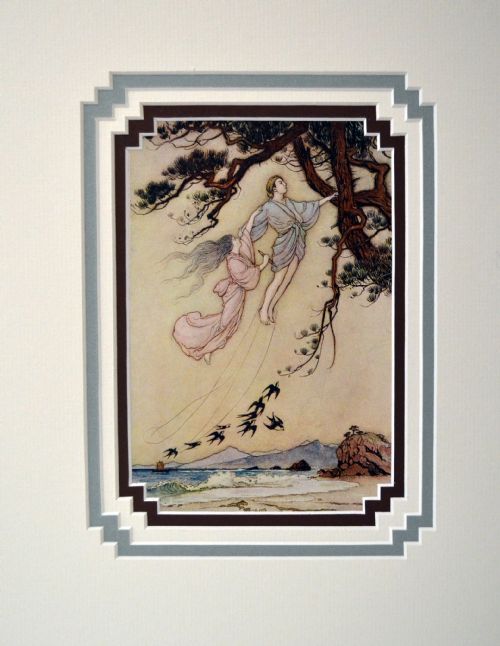
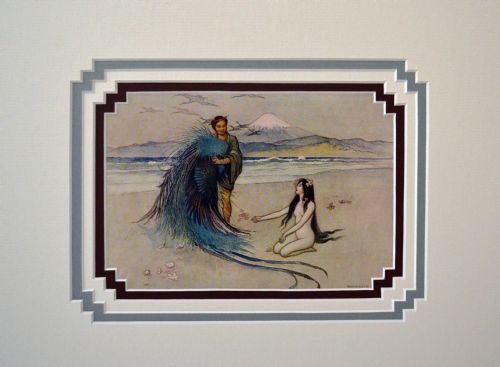
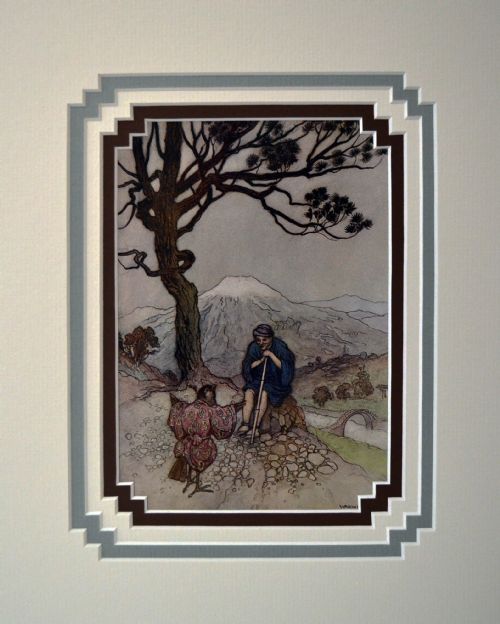
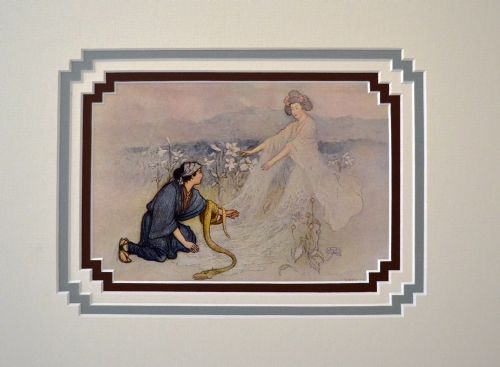
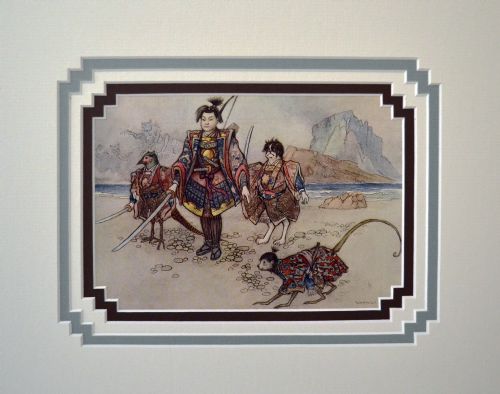
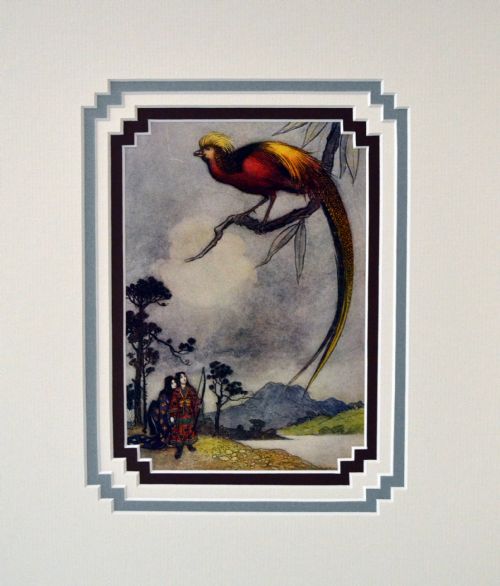
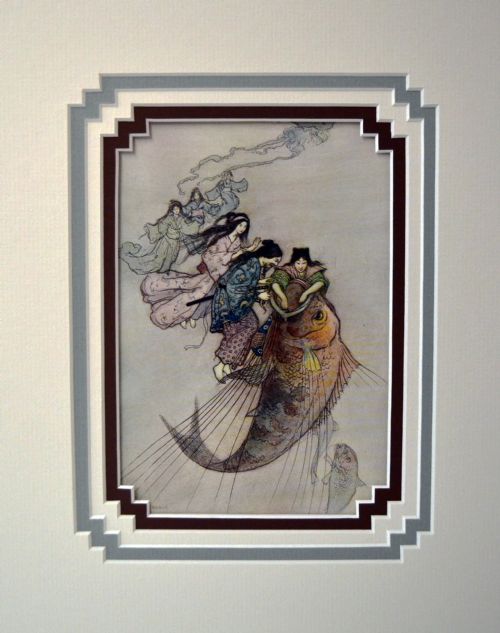
The selection includes bound historical texts, French language volumes, botanical studies, and specialised plate books featuring Edwardian illustration. These pieces manifest across various object types, including antiquarian books, bound memoirs, and individual first edition prints taken from seminal publications.
Origins stretch from seventeenth-century ecclesiastical histories to early twentieth-century art monographs and fairy tales. The physical format varies from simple publisher cloth to elaborate contemporary leather bindings with gilt tooling.
Materials and production methods
Paper and card form the essential foundation of every first edition book, carrying the ink of the initial printing press run alongside specialised illustration plates. Bindings utilise traditional materials such as full or half leather, cloth, and cardboard, often reinforced with mountboard to preserve the structural integrity of the text block.
Text reproduction relies on early typesetting and printing ink pressed onto rag or wood-pulp paper stocks. Decorative elements incorporate glass protection for framed plates, alongside fine hand-binding techniques utilising leather and cloth over stiff boards.
Listings feature paper, leather, and cloth materials across periods spanning the seventeenth, eighteenth, nineteenth, and early twentieth centuries.
Assessing quality in early editions
Quality in a first edition book rests primarily upon the original integrity of the binding and the preservation of the printed text and plates. Contemporary or period bindings executed by established binderies elevate a volume far above standard publisher cloth cases.
The crispness of the impression and the completeness of the pagination, plates, or multi-volume sets determine desirability among collectors. Preservation of original paper surfaces without excessive toning or restoration distinguishes superior copies from heavily handled volumes.
Henry Young & Son·Warwick Goble·Léon Bakst·Max Beerbohm
The First Edition Book Glossary
- First edition
- The earliest printed appearance of a work, taken from the initial setting of type. This state forms the primary baseline for textual collectors.
- Antiquarian
- Pertaining to books, prints or objects dating from earlier centuries, generally understood to mean items predating the nineteenth century. These pieces require specific handling due to age-related material degradation.
- Binding
- The protective cover and spine holding the pages of a book together. Bindings may be contemporary to the publication date or later library creations utilising leather, cloth, or paper over boards.
- Cardboard
- A stiff paper-based material used historically for book boards and inner structural support. It provides rigidity before being covered in leather or cloth.
- Mountboard
- A heavy paper board utilised in framing prints and illustrations to separate the artwork from the glass. It prevents direct contact between the fragile paper surface and the glazing.
First Edition Book: Frequently Asked Questions
How do I identify a true first edition?
Identifying a true first edition involves examining the publisher's copyright page, statement of edition, or matching the date on the title page to historical records of the initial printing run. Differences in pagination, signature marks, and binding variants also help distinguish the primary issue from subsequent impressions.
For older antiquarian volumes, bibliographical reference guides specific to the author or period provide the definitive collation required to confirm first-issue status.
How should I care for leather bound books?
Leather bound volumes require stable environmental conditions with moderate relative humidity and protection from direct sunlight to prevent the hide from drying out and cracking. Keeping the books upright with proper shelf support prevents undue strain on the text block and spine joints.
Occasional gentle dusting with a soft, dry cloth maintains the surface, while professional leather dressings should be used sparingly, if at all, depending on the specific cure of the hide.
What is the difference between an edition and an issue?
An edition encompasses all copies of a book printed from the same setting of type, including subsequent reprints that make no alterations to the typesetting. An issue represents a specific batch within that edition distributed at a particular time, sometimes featuring minor textual corrections or variant binding styles.
Collectors often place a premium on the earliest issue of a first edition because it reflects the author's and publisher's primary intent before any alterations occurred.