








Firewood Basket
When you need a firewood basket by the hearth, you want something sturdy enough to hold heavy logs while looking right beside an open fire.
Firewood Basket
A firewood basket serves as a functional container for holding logs beside an open hearth or fireplace. The pieces collected under this heading range from woven willow and cane containers to heavy metal bins.
Most examples you will encounter date from the nineteenth and early twentieth centuries. They appear in styles such as Victorian, Arts and Crafts, and various country traditions including French, Scandinavian, and rustic farmhouse.
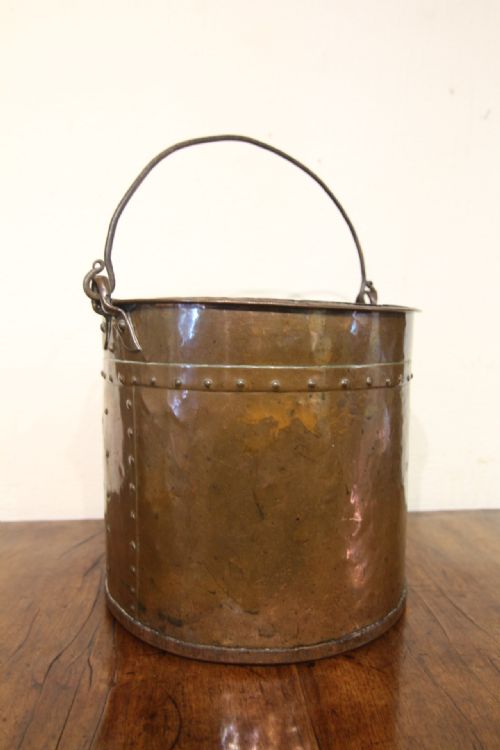
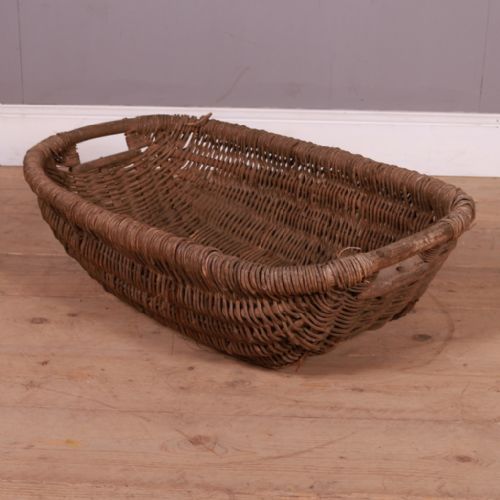
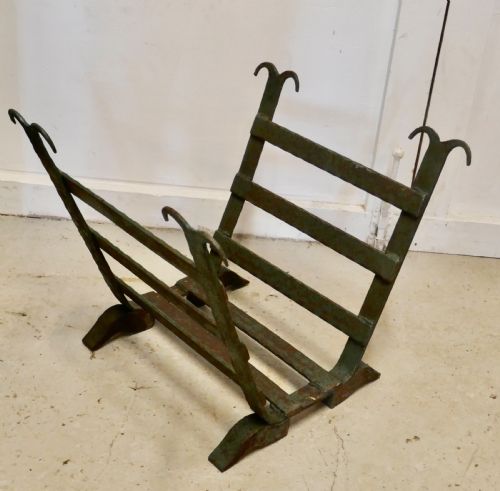
Forms include traditional log baskets, riveted copper buckets, cauldrons, coal scuttles, and iron carriers. Many were originally utilised for domestic cooking or agricultural work before finding a place by the fireside.
How they were made
Metal vessels are typically formed from sheet copper or iron, joined with visible rivets and fitted with wrought iron handles or original iron frames. Brass details and swinging handles appear frequently on nineteenth-century examples.
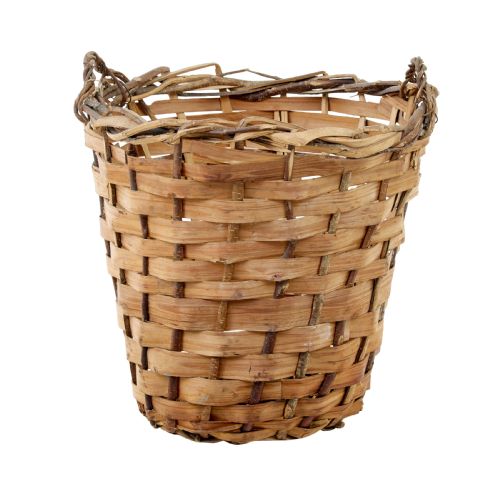
Woven examples rely on natural materials such as willow, cane, and pine, utilising traditional basketry and woodworking techniques to build rigid structures capable of supporting heavy loads of timber.
Firewood Basket Retail Price Guide 2026
Typical asking prices for firewood basket among the pieces listed under this phrase on Sellingantiques today, from the lower quarter to the upper quarter. They describe what is for sale here now, not the wider market.
Several copper cauldrons and grape baskets listed here spent their earlier lives harvesting fruit or simmering meals before retiring to the hearth.
What varies in quality
The standard of a metal log bin rests on the thickness of the metal sheet, the security of the riveted joints, and the integrity of any iron frame or handle. Substantial gauge copper and blacksmith-made ironwork represent the sturdier end of the spectrum.
For woven containers, quality is determined by the tightness of the weave, the condition of the natural fibres, and the structural strength of the base. Pieces that retain their original form without sagging under weight show superior craftsmanship.
Liberty London
The Firewood Basket Glossary
- Dinanderie
- The historical term for worked brass and copper objects, often applied to decorative metal vessels from the early twentieth century.
- Cauldron
- A large metal pot with a rounded base and a swing handle, frequently repurposed from cooking to hold fireplace logs.
- Coal scuttle
- A metal container designed for holding and transporting coal to the fire, often featuring a shovel compartment or specific pouring lip.
- Wrought iron
- Iron that has been heated and hammered into shape by a blacksmith, commonly used for handles and supporting frames on heavy bins.
- Riveted
- Joined together using metal pins hammered flat at the ends, visible along the seams of copper buckets and log bins.
Firewood Basket: Frequently Asked Questions
Can I use these for actual firewood?
Most of these pieces were built to handle heavy materials like timber, coal, and garden produce.
Metal bins and sturdy woven baskets remain entirely practical for daily fireside use.
How do I clean a copper log bin?
Wipe the surface with a soft, damp cloth to remove household dust and soot.
Avoid harsh chemical polishes if you prefer to keep the dark historical patina accumulated over the decades.
Are woven baskets strong enough for logs?
Traditional willow and cane examples are constructed with thick base structures to bear heavy loads.
Check that the base remains rigid and the natural fibres show no severe brittleness before loading them with heavy logs.
How do I date a metal log bucket?
Look at the construction methods, such as hand-beaten surfaces, heavy wrought iron handles, and traditional riveting.
Nineteenth-century pieces often display heavier gauge metals and hand-forged fittings compared to later twentieth-century items.