





Fireplace Surround Seating
Fireplace surround seating brings practical fireside comfort into the room, pairing low upholstered benches with the metal frame of the hearth.
Fireplace Surround Seating
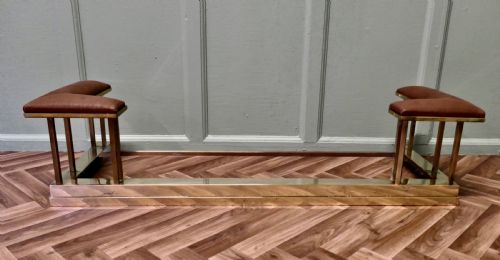
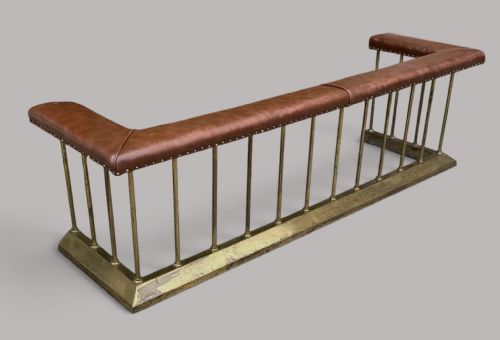
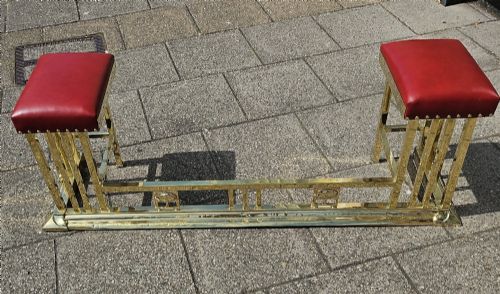
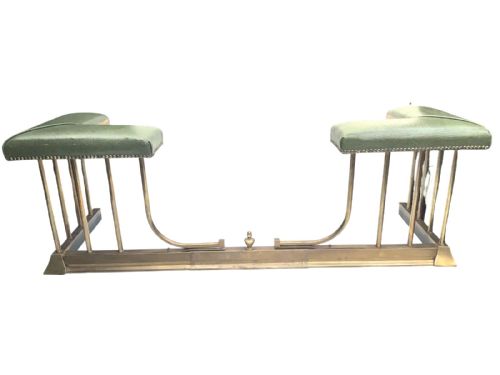
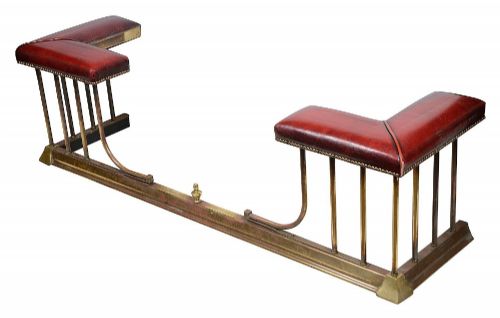
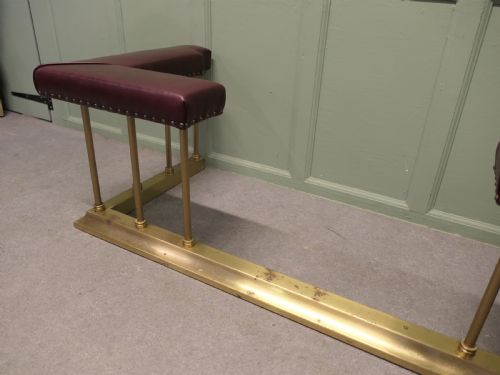
Fireplace surround seating appears most frequently as club fenders, combining a supportive metal frame with cushioned benches designed to sit directly around the hearth. These pieces bridge the gap between functional fireside accessory and low seating, offering a vantage point close to the warmth of the fire.
The selections span the nineteenth century, Victorian and Edwardian eras, extending into the nineteen-twenties and nineteen-thirties with distinct Art Deco and Arts and Crafts examples. Victorian brass and steel variations dominate, alongside country house styles and substantial oak frameworks.
Forms range from compact adjustable designs to heavy cast iron or wrought iron structures, occasionally incorporating copper, chrome, or silvered finishes. Upholstered tops most commonly utilise leather, including mature tan and green variants, providing a durable seat built for daily use.
How they were made
Makers constructed the structural frames using heavy brass, steel, iron, or wrought iron, often joining metal components with robust corner supports and adjustable fixings. Oak and mahogany appeared on specific vernacular and Arts and Crafts iterations, bringing warmth through carved or polished timber bases.
Upholstery techniques applied to the top rails relied on hard-wearing leather or fabric stretched over firm padding, frequently styled with Chesterfield tufting or simple studwork. Metal surfaces received polished, brushed, or silvered treatments to highlight the underlying brass, copper, or steel textures.
Listings feature periods spanning from the nineteenth century through the nineteen-forties, including Victorian, Edwardian, Art Deco, and Arts and Crafts examples.
What varies in quality
The integrity of the metal framework dictates the underlying calibre, separating solid brass and heavy cast steel from lighter, thinner assemblies. Substantial gauge metal and precise corner engineering ensure the structure withstands the physical demands of hearthside use without twisting.
Upholstery execution separates standard output from superior examples, visible in the choice of mature leather, the depth of buttoning, and the firmness of the internal padding. The harmonious integration of timber or secondary metals like copper and chrome further elevates a piece above standard utility.
William Birch
The Fireplace Surround Seating Glossary
- Club Fender
- A low fireside seat built around a fireplace fender, combining a metal frame with padded leather or fabric upholstery. This design originated in gentlemen's clubs to maximise warmth during winter months.
- Fender
- A low metal guard placed around the hearth to contain stray embers and protect the floor. When adapted for seating, the top rail receives padding to double as a bench.
- Chesterfield Seat
- An upholstered top featuring deep buttoning and tufting across the leather or fabric surface. It provides a traditional appearance common on Victorian and Edwardian examples.
- Arts and Crafts
- A design movement prioritising handcrafting, visible joinery, and honest materials. Pieces from this tradition often utilise carved oak or wrought iron frames.
Fireplace Surround Seating: Frequently Asked Questions
How do I use fireplace surround seating?
These pieces sit directly on the floor around the hearth, serving as a low bench for sitting close to the fire. They keep guests near the warmth while protecting the room from stray ash.
Position the seating so that the proportions align with your fireplace opening and hearth rug. Ensure the clearance allows safe movement around the active fire.
What materials make up these frames?
Frameworks utilise polished brass, steel, wrought iron, and cast iron, sometimes accented with copper or silvered finishes. Certain examples introduce timber elements such as oak or mahogany.
Leather provides the standard upholstery for the top seats, though fabric and mahogany top rails also appear across different periods.
How do I date a club fender?
Dating relies on stylistic markers, such as the heavy ornamentation of Victorian brass, the clean lines of Edwardian designs, or the geometric touches of Art Deco items from the nineteen-twenties and nineteen-thirties. Materials and construction methods also offer clear clues to the decade of origin.
Examine the type of metal finishing, the wear on the leather, and any maker stamps to narrow down the period between the nineteenth and mid-twentieth centuries.