



Fire Fender Seat
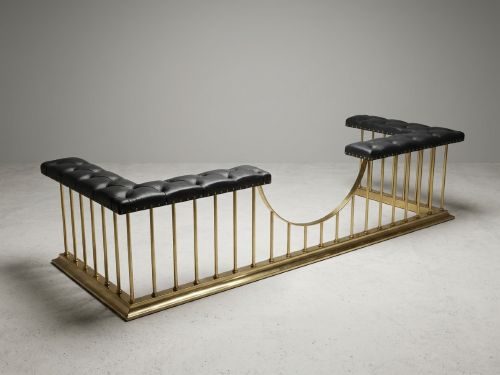
A fire fender seat brings a sturdy hearthside perch into the room, combining functional metalwork with cushioned leather to create a traditional fireside seat.
Fire Fender Seat
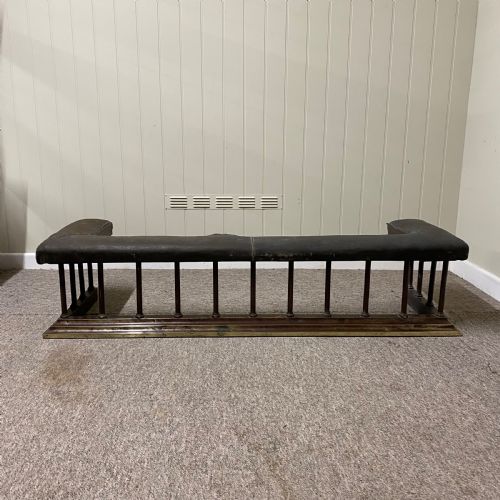
When you search for a fire fender seat, you are looking at substantial hearth furniture designed to frame an open fireplace while providing a comfortable place to sit near the flames. These pieces combine a rigid metal or timber base with an upholstered top, forming a protective barrier that keeps stray embers away from the room.
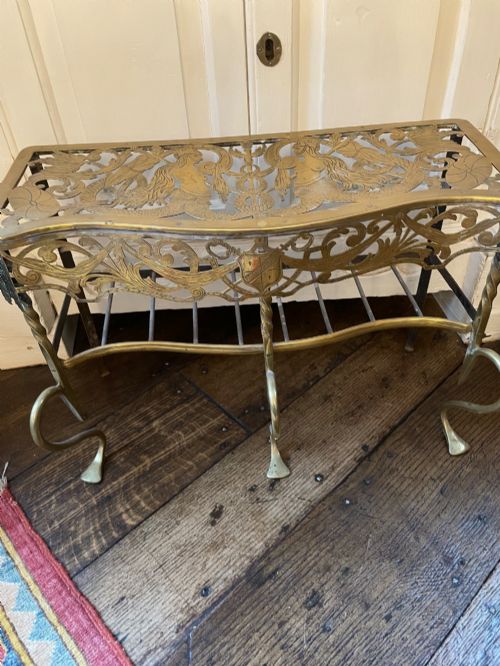
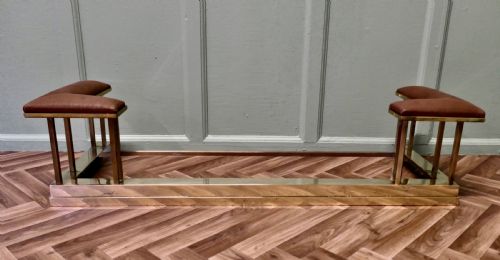
The versions you are most likely to meet on this page span the nineteenth century through the early decades of the twentieth century, taking the form of club fenders built from brass, steel, wrought iron, and oak. They appear in styles ranging from robust Victorian and Edwardian examples to clean-lined Art Deco and Arts and Crafts designs.
Originating in grand country houses and domestic parlours alike, these hearth seats function as both a practical safety barrier and a sociable piece of furniture. Their forms vary from simple upholstered metal rails to carved wooden frames with adjustable spans designed to fit specific hearth dimensions.
How they were made
Makers constructed the foundational frames of these hearth seats using robust metals such as brass, steel, wrought iron, and cast iron, often paired with solid timbers including oak and mahogany. These structural elements were riveted, welded, or joined to withstand the heat and heavy daily use associated with the hearth.
The top seat sections were typically upholstered in leather and secured to the underlying metal or wooden structure to create a firm yet comfortable cushion. Decorative touches appeared through carved wooden details on Arts and Crafts pieces and polished metal finishes on Art Deco and Victorian examples.
Fire Fender Seat Retail Price Guide 2026
Typical asking prices for fire fender seat among the pieces listed under this phrase on Sellingantiques today, from the lower quarter to the upper quarter. They describe what is for sale here now, not the wider market.
The listings show pieces spanning from the nineteenth century through the 1940s, incorporating leather, brass, steel, wrought iron, oak, copper, mahogany, and cast iron.
What varies in quality
The distinction between standard production and superior craftsmanship lies in the weight of the metal framework and the quality of the timber selection. Heavier gauges of brass and steel, alongside dense hardwoods like oak and mahogany, provide a sturdiness that lighter variants simply cannot match.
Upholstery standards also determine the refinement of the piece, with durable leather tops and traditional stuffing methods representing a higher grade of manufacture. Adjustability mechanisms, where present, reveal the ingenuity of the original construction and the precision of the metalwork.
The Fire Fender Seat Glossary
- Club fender
- A low, padded hearth seat built over a metal or wooden frame designed to enclose an open fireplace. It provides both a protective barrier against sparks and a convenient seat close to the fire.
- Arts and Crafts
- A design movement emphasising handcraftsmanship, natural materials, and simple forms rather than mass-produced ornamentation. Pieces from this tradition often feature visible construction and carved wooden details.
- Art Deco
- A twentieth-century style characterised by sleek lines, geometric forms, and polished metal surfaces. In hearth furniture, this translates to streamlined brass and steel frameworks.
- Wrought iron
- Tough, malleable iron that is heated and hammered into shape by a blacksmith. It yields strong, durable structural components with a distinctive textured finish.
- Upholstery
- The materials, including padding, webbing, and leather covers, that form the soft seating surface of the fender. Traditional methods ensure long-lasting support.
Fire Fender Seat: Frequently Asked Questions
What is a fire fender seat used for?
A fire fender seat serves as a dual-purpose hearth accessory, acting as a physical barrier that contains ash and embers while offering a low seat directly beside the fire.
Historically placed around open grates in large reception rooms and country houses, these seats allowed people to gather closely and warmly around the hearth.
How do I know the period of a fender?
Dating relies on examining the combination of materials, construction techniques, and stylistic markers present in the frame. Victorian and nineteenth-century examples often feature heavy brass or steel, while Edwardian and later pieces may incorporate Arts and Crafts carving or Art Deco geometric styling.
Comparing the upholstery style and the specific treatment of the metalwork helps place the piece within its historical era.
Are these seats adjustable?
Some hearth seats are constructed with adjustable mechanisms to fit varying fireplace widths. This feature is particularly notable in certain Arts and Crafts and club fender designs.
Checking the physical structure reveals whether the frame was built to slide or expand to suit different hearth dimensions.
How do I care for leather on a hearth seat?
Leather upholstery requires gentle cleaning and occasional conditioning to maintain its suppleness and prevent drying out from proximity to heat sources. Regular dusting and the application of appropriate leather balms help preserve the surface.
Positioning the seat at a sensible distance from active flames protects both the leather and the underlying frame from excessive thermal stress.