
Fine Vintage Gemstone Jewellery
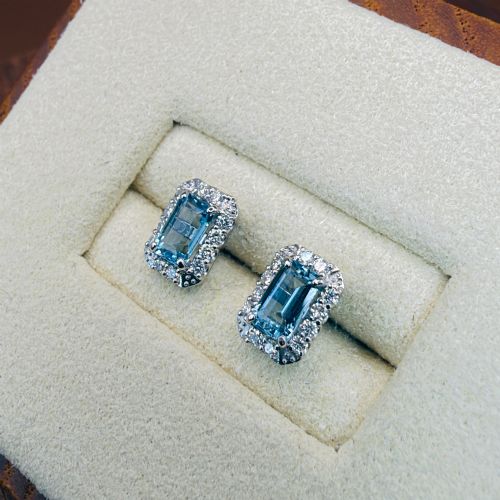
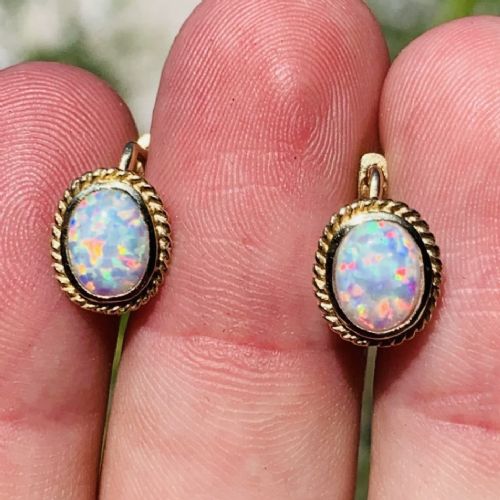
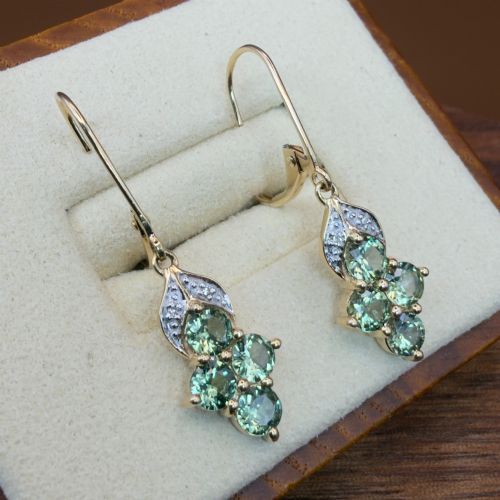
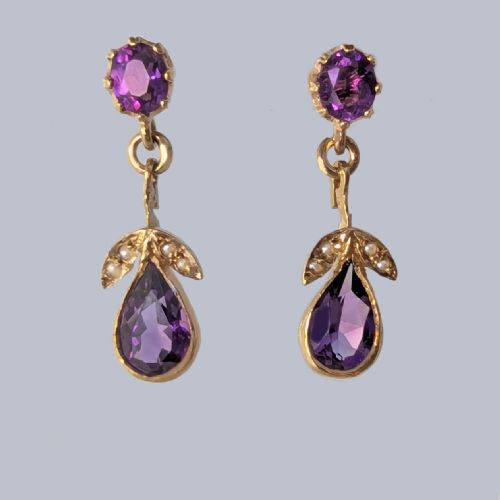
Fine vintage gemstone jewellery spans decades of goldsmithing, bringing together coloured stones and precious metals from Victorian times to the mid-century.
Fine Vintage Gemstone Jewellery
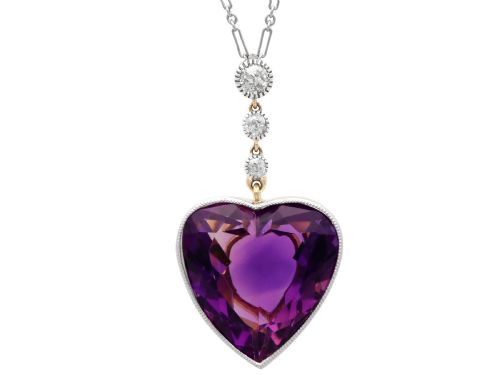
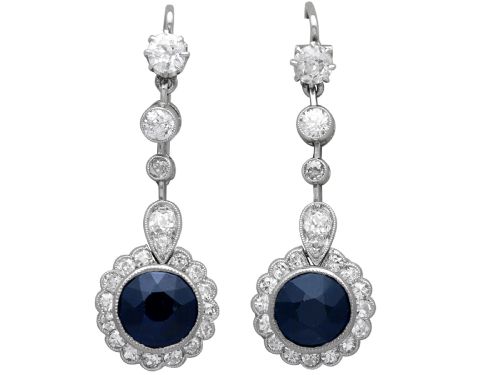
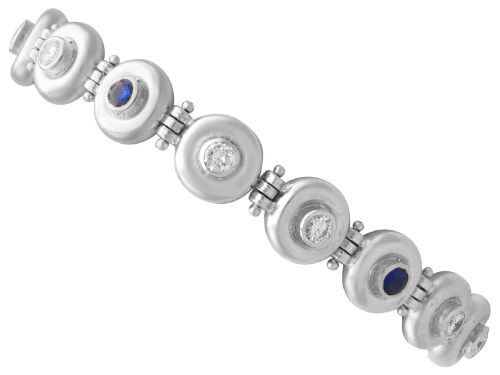
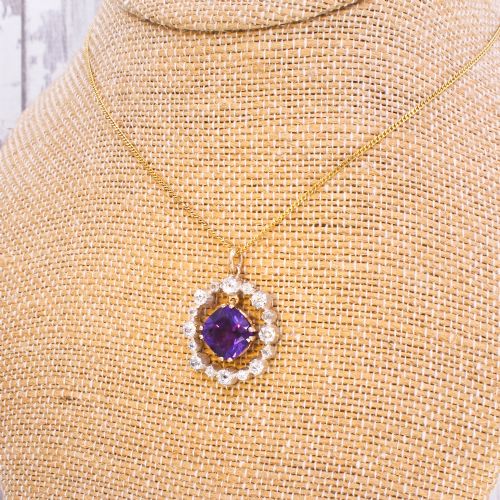
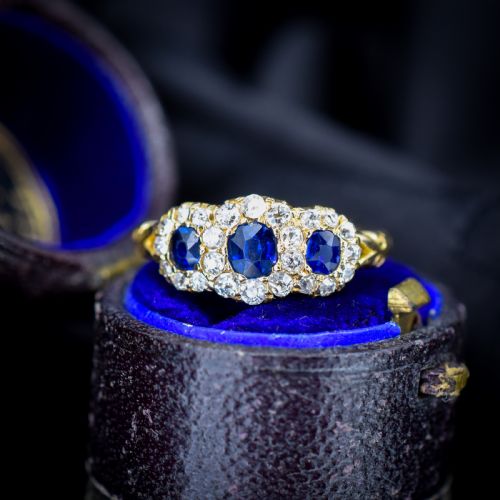
Fine vintage gemstone jewellery encompasses rings, earrings, necklaces, bracelets, and pendants originating from the Victorian era, Edwardian period, Art Deco years, and the 1950s and 1960s. Buyers searching for fine vintage gemstone jewellery typically encounter cluster rings, drop earrings, and pendant necklaces set with diamonds alongside coloured stones.
The selections span distinct stylistic movements, moving from intricate Edwardian floral motifs and Victorian multi-stone clusters to geometric Art Deco platinum settings and robust mid-century gold work. Common forms include cocktail rings, lavalier pendants, hinge-back earrings, and tennis bracelets.
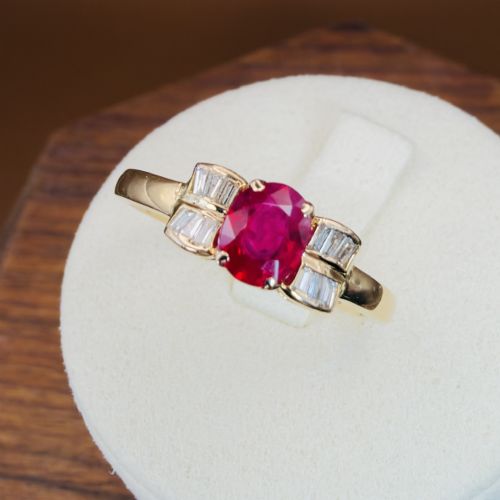
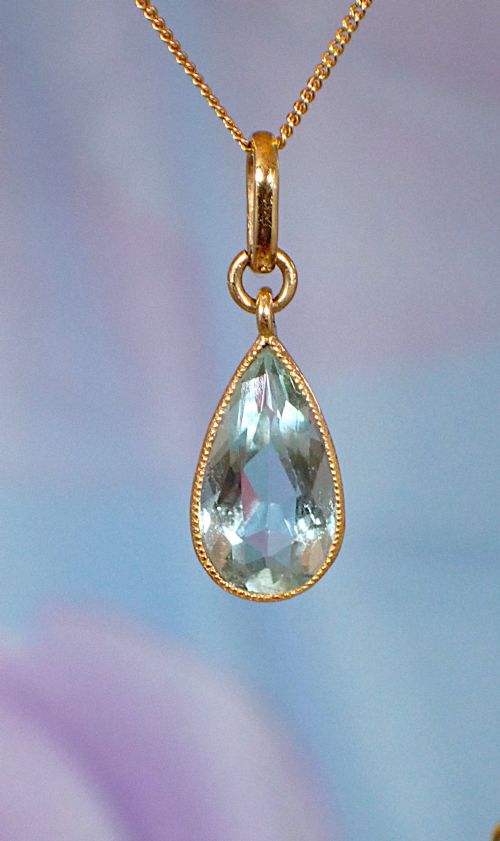
Origins stretch across British, French, and Australian workshops, utilising both yellow gold, white gold, and platinum. Pieces range from delicate seed pearl and amethyst creations to substantial aquamarine and ruby statement pieces.
Materials and construction
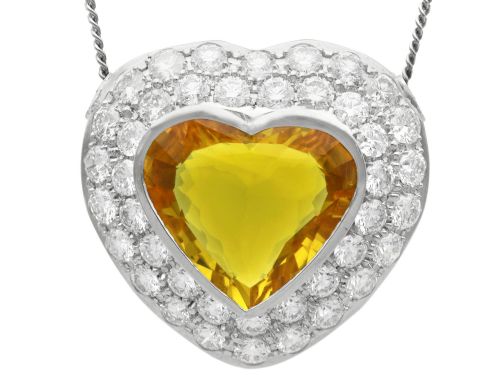
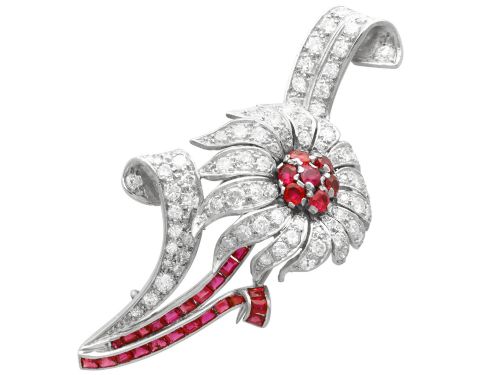
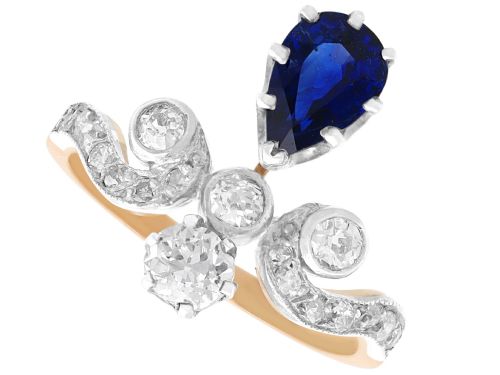
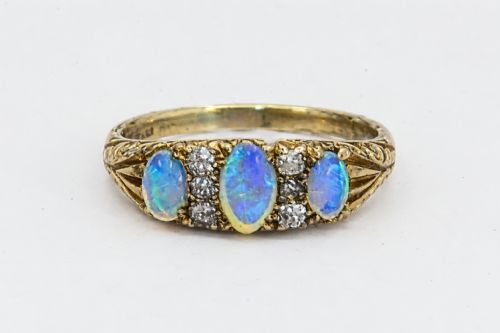
Goldsmiths constructed these pieces primarily in 18ct yellow gold, 18ct white gold, 9ct gold, 14ct gold, and platinum, mounting stones with claw settings, bezel settings, and flush channels. Cluster rings and pendants frequently combine brilliant cut or old cut diamonds with emeralds, sapphires, rubies, opals, and amethysts.
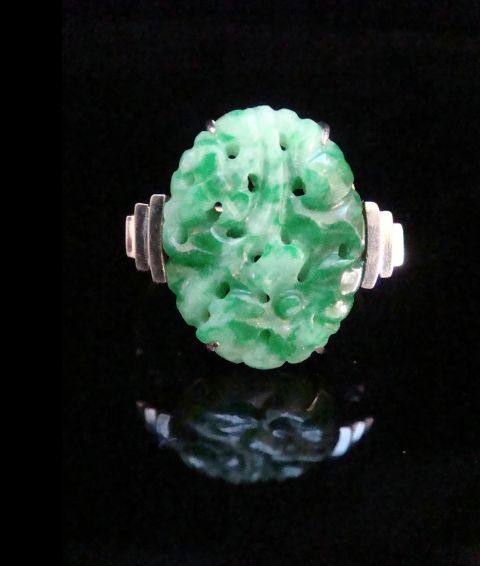
Techniques evolved from delicate hand-pierced Edwardian platinum and gold work to the heavy geometric casting seen in retro tank rings and mid-century cluster designs. Stones such as jadeite, kunzite, tsavorite, and aquamarine are shaped into oval, emerald, marquis, pear, and cabochon cuts.
Materials recorded in current pieces include amethysts, opals, aquamarines, emeralds, rubies, sapphires, kunzite, and tsavorite garnets.
Assessing the work
Quality rests in the match between stone selection and metalwork, where finely proportioned claw settings securely frame unheated rubies, natural opals, and clean emeralds. Superior examples demonstrate precise stone cutting and secure prong placement that protects softer gems like opals and pearls without obscuring their natural play of colour.
The integrity of the underlying metal structure separates standard production from finer output, visible in the crispness of millegrain edges, substantial shank thickness in rings, and intact hallmarks that confirm the gold purity and period origin.
The Fine Vintage Gemstone Jewellery Glossary
- Cluster ring
- A ring featuring a central gemstone surrounded by a border of smaller stones, typically diamonds.
- Cabochon
- A gemstone shaped and polished with a smooth convex surface rather than faceted.
- Navette
- A boat-shaped gemstone setting that tapers to points at both ends, popular in Georgian and Victorian jewellery.
- Millegrain
- A decorative technique featuring a line of tiny raised metal beads along the edges of a setting.
- Old cut
- A diamond cut predating modern brilliant faceting, characterised by a smaller table and higher crown.
Fine Vintage Gemstone Jewellery: Frequently Asked Questions
How do I care for antique opals?
Opals contain natural water content and require gentle cleaning with a soft cloth, avoiding harsh chemicals, ultrasonic cleaners, and extreme temperature shifts.
Store them separately from harder gemstones like diamonds and sapphires to prevent surface scratching on the softer stone.
What is the difference between Edwardian and Art Deco jewellery?
Edwardian pieces rely on platinum and yellow gold to create lace-like, floral garlands with pearls, diamonds, and aquamarines.
Art Deco jewellery shifts toward geometric rigidity, utilising platinum and white gold with calibrated sapphires, rubies, and emeralds in stark, symmetrical lines.
Are 9ct and 18ct gold used in the same periods?
Both 9ct and 18ct gold appear across Victorian, Edwardian, and mid-century pieces, depending on the maker and regional standards.
Eighteen-carat gold predominates in higher-end cluster rings and fine pendants, while 9ct gold frequently supports coloured stones in drop earrings and bracelets.
How can I tell a cluster ring is from the 1950s?
Fifties cluster rings often feature high-profile white gold or yellow gold mounts holding emerald cut or oval cut sapphires, rubies, and emeralds encircled by brilliant cut diamonds.
The under-galleries are sturdier and heavier than delicate Edwardian equivalents, reflecting mid-century manufacturing standards.