
Fine Jewellery Ring
A fine jewellery ring carries decades of craftsmanship in gold and platinum, offering enduring elegance for those seeking a distinguished piece of history.
Fine Jewellery Ring
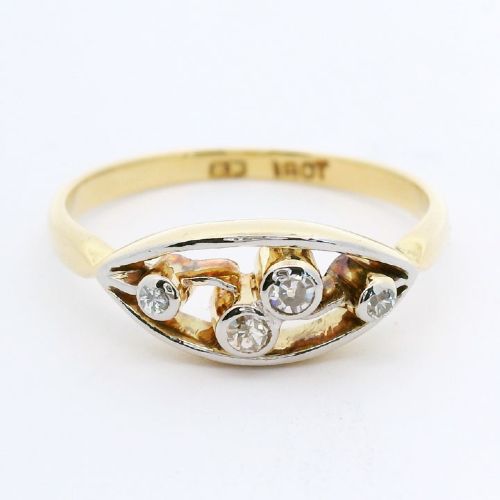
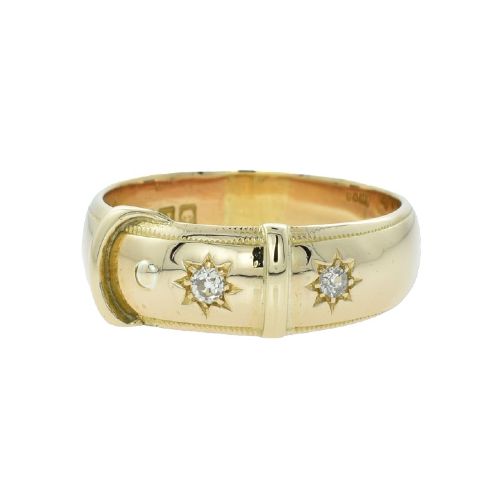
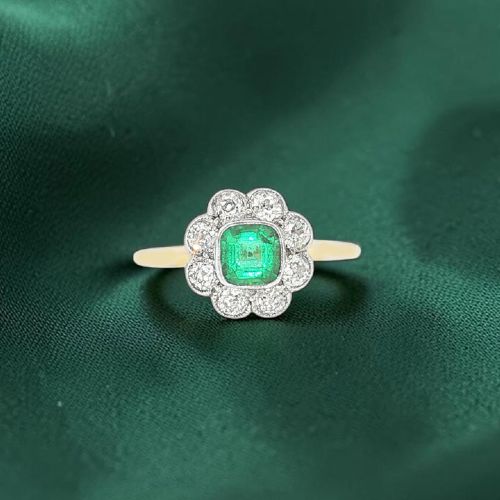
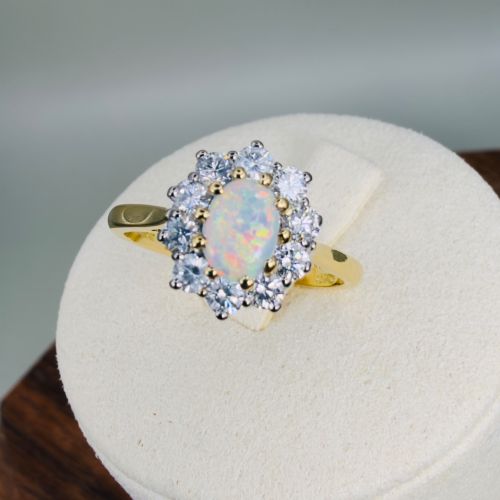
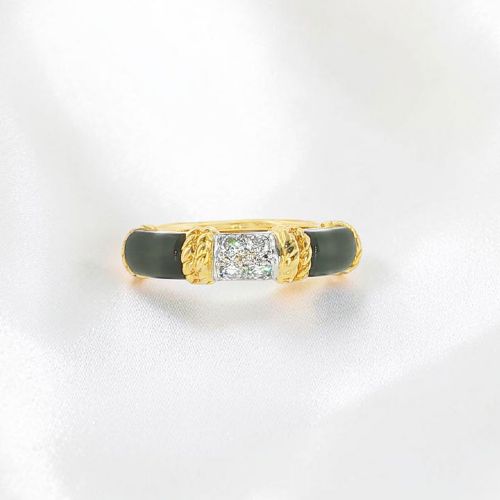
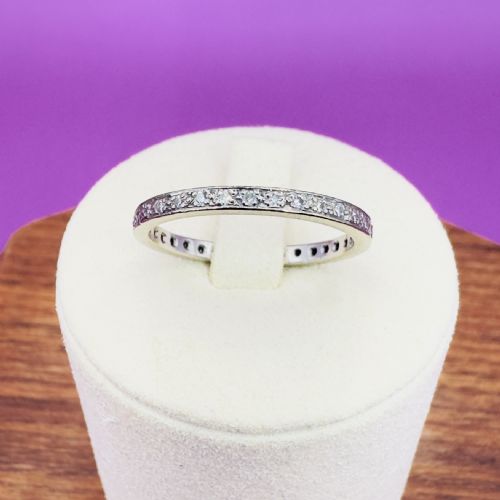
A fine jewellery ring encompasses an array of historical periods, ranging from late nineteenth-century Victorian designs through to Edwardian and mid-century styles. Buyers searching for a fine jewellery ring will frequently encounter cluster configurations, solitaire settings, and eternity bands shaped from precious metals.
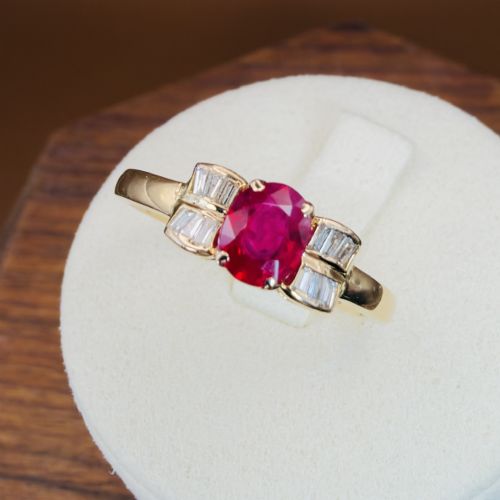
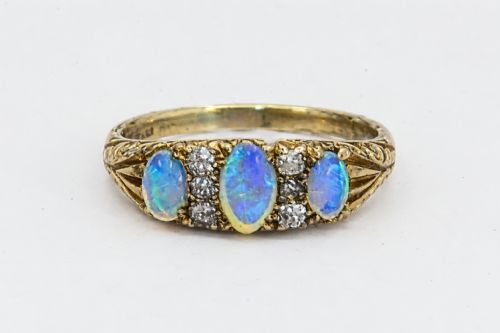
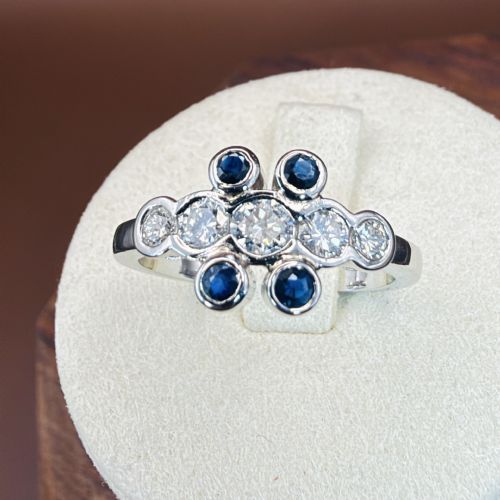
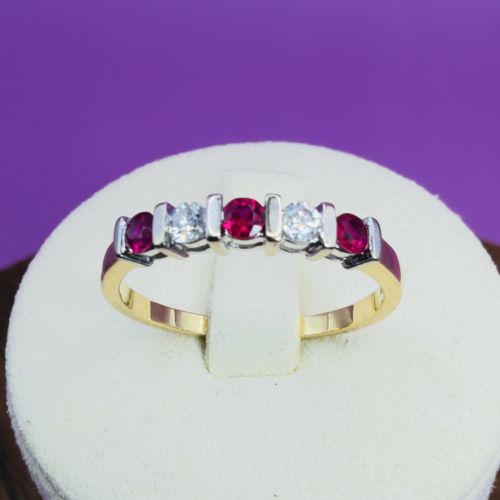
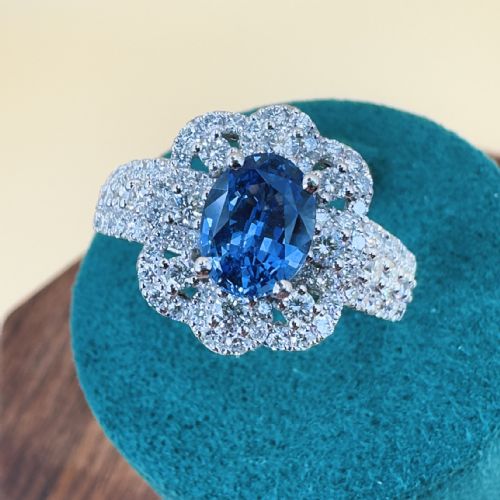
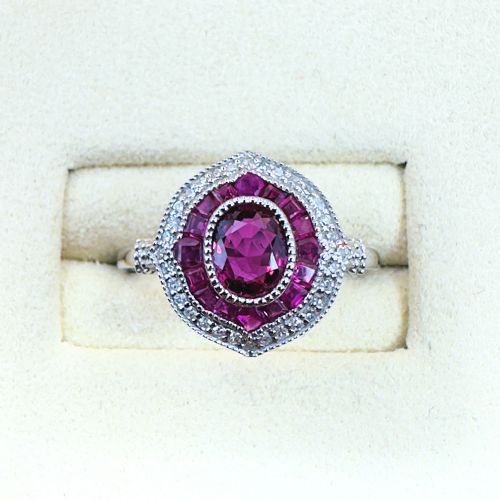
The selection includes ornate cocktail rings, traditional engagement rings, and dress rings showcasing coloured gemstones alongside central diamonds. Pieces originating from the early twentieth century sit alongside mid-century creations, reflecting shifting design priorities from geometric Art Deco motifs to flowing organic lines.
Materials and construction methods
Goldsmiths constructed these rings primarily using 18ct yellow, white, and rose gold alongside durable platinum settings. Gemstones such as diamonds, sapphires, rubies, and emeralds were secured using claw, bezel, or flush settings designed to maximise light exposure.
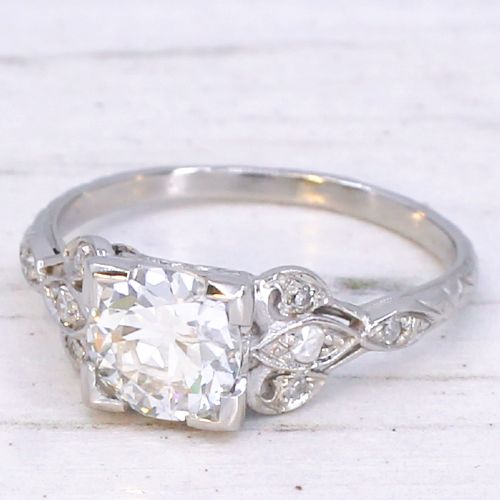
Intricate detailing often involved rose-cut or old-cut diamonds paired with calibrated gemstones, requiring precise hand-assembly by skilled jewellers. Platinum gained favour for its strength in supporting complex cluster arrangements without adding excessive bulk to the band.
Listings span from the late nineteenth century through to mid-century modern designs, featuring platinum, 18ct gold, and various gemstones.
Markers of distinction
Quality in a fine jewellery ring rests upon the clarity and cut of the primary stones, the symmetry of the setting, and the preservation of original metalwork. Pieces featuring well-matched coloured gemstones and minimal wear to the prongs demonstrate superior original manufacture.
The weight and gauge of the gold or platinum shank also indicate standard, with sturdier bands resisting thinning over decades of daily wear. Masterful stone placement and crisp engraving separate standard commercial production from exceptional workshop output.
Kutchinsky·Le Vian
The Fine Jewellery Ring Glossary
- Cluster ring
- A ring featuring a central gemstone surrounded by a border of smaller stones, typically diamonds.
- Old-cut diamond
- A hand-faceted diamond cut before modern brilliant standards were established, exhibiting smaller tables and higher crowns.
- Navette
- A boat-shaped ring setting that tapers to points at either end, popular in late Victorian and Edwardian jewellery.
- Platinum
- A dense, silvery-white precious metal prized for its strength and secure retention of gemstones.
Fine Jewellery Ring: Frequently Asked Questions
What defines an antique cluster ring?
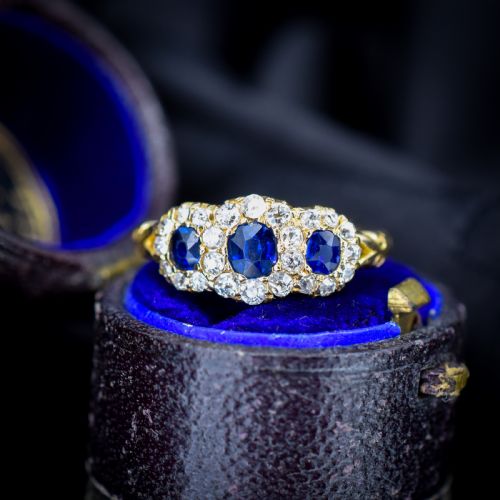
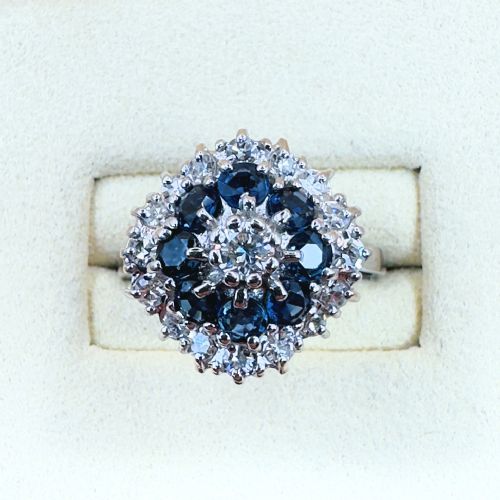
An antique cluster ring groups multiple smaller stones around a prominent centre gem, creating a substantial visual impact on the hand. These arrangements were favoured across Victorian and Edwardian workshops to maximise gemstone brilliance.
Craftsmen often utilised yellow gold or platinum backings to highlight the contrasting colours of sapphires, rubies, or emeralds against sparkling diamonds.
How do I identify an Edwardian ring?
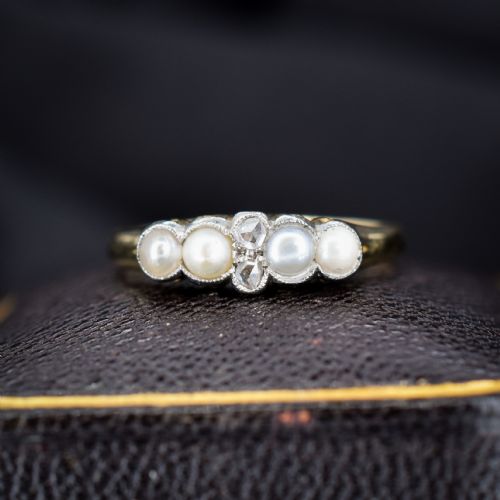
Edwardian rings frequently employ platinum-topped gold settings that allowed for delicate, lace-like filigree work. This era favoured light, airy designs incorporating pearls and rose-cut diamonds.
The overall aesthetic prioritised grace and refinement, contrasting with the heavier yellow gold styles of the preceding Victorian decades.
Are old-cut diamonds different from modern stones?
Old-cut diamonds possess hand-cut facets that produce a softer, more intimate candlelit sparkle compared to the precise brilliance of modern round brilliants. Each stone was shaped individually by hand to maximise its rough weight and optical properties.
This historical cutting method gives antique engagement rings a distinct character that cannot be replicated by contemporary machinery.
Can I wear an antique ring daily?
Many fine jewellery rings from the Victorian, Edwardian, and mid-century periods are robust enough for everyday wear provided they receive proper care. Platinum and 18ct gold bands offer good durability for daily use.
It remains wise to have a professional jeweller inspect the prongs and settings periodically to ensure the gemstones stay secure.