
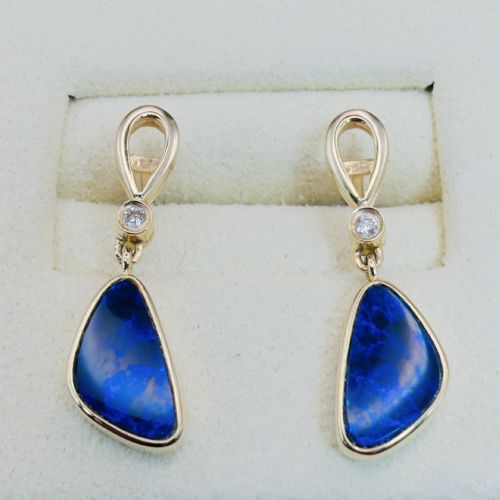
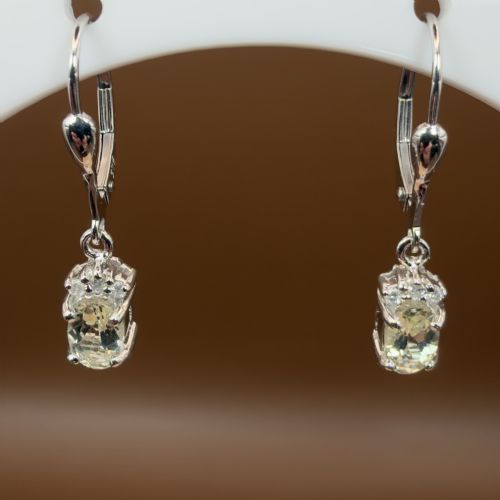
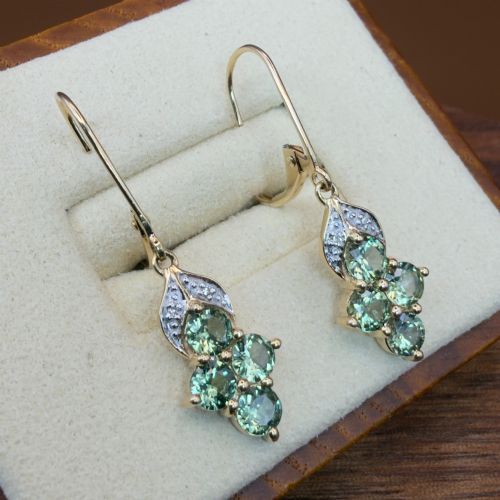
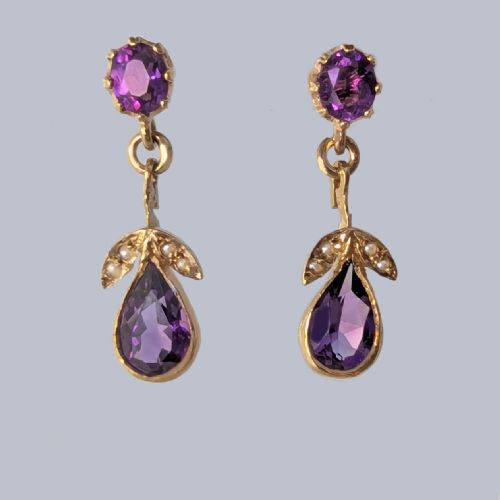


Fine Jewellery Drop Earrings
Fine jewellery drop earrings bring movement and light to the face, suspended from the earlobe in designs spanning the Victorian era to the mid-twentieth century.
Fine Jewellery Drop Earrings
Fine jewellery drop earrings encompass hanging and dangling configurations designed to catch the light with every turn of the head. When searching for fine jewellery drop earrings, buyers encounter diverse forms ranging from Edwardian diamond clusters to Art Deco geometric arrangements.
The selections span distinct historical periods including the Victorian, Edwardian, Art Deco, and mid-century modern eras. Materials encompass yellow gold, white gold, platinum, and silver alongside colourful gems like amethyst, aquamarine, sapphire, emerald, and pearl.
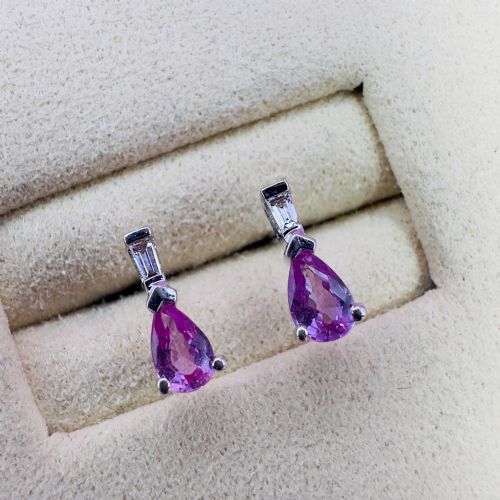
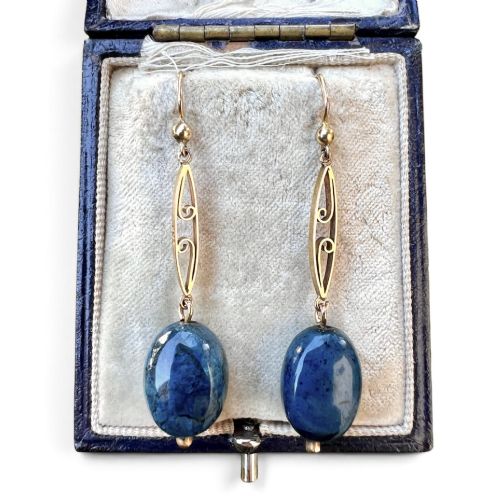
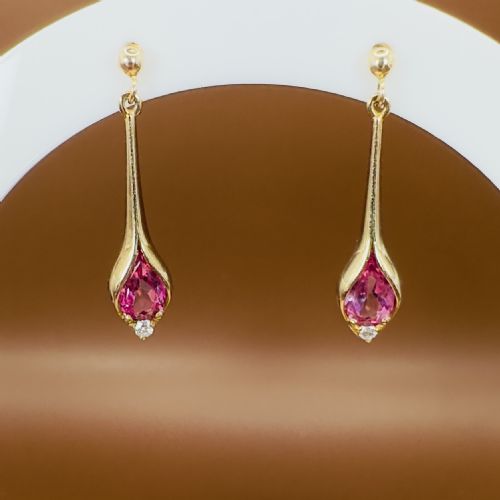
Drop earrings on this page appear in configurations such as hinge backs, studs with dangling components, and articulated drops. These pieces reflect the prevailing aesthetic tastes of their respective decades, from delicate platinum filigree to bold mid-century gemstone clusters.
How they were made
Goldsmiths and platinumsmiths utilised precious metals such as 9ct gold, 15ct yellow gold, 18ct white gold, and platinum to fabricate secure settings for fragile gemstones. Metalwork often involved fine pierced mounts, delicate wirework, and silver foliate details to complement the stones.
Gemstones including old cut diamonds, pearls, spinels, tourmalines, and opals were shaped using period-appropriate cutting techniques like oval cuts, pear cuts, and baguettes. Stones were secured via claw settings, bezels, and cluster arrangements designed to maximise brilliance and light return.
Listings feature pieces spanning from the Victorian era through the 1960s, incorporating platinum, 9ct gold, and 18ct white gold.
What varies in quality
Quality in these earrings rests upon the calibre of the central gemstones and the precision of the metalwork. Superior examples combine well-matched natural stones, such as clean emeralds or vibrant sapphires, with crisp diamond accents and robust articulating joints.
The sophistication of the period craftsmanship dictates the distinction between standard and exceptional pieces. Masterful hand-pierced platinum mounts and secure, original findings elevate an item above mass-produced or later assembled counterparts.
The Fine Jewellery Drop Earrings Glossary
- Drop earrings
- Earrings that hang below the earlobe, often incorporating a fixed top section with a suspended pendant element. This format allows the lower portion to sway independently during wear.
- Old cut diamond
- A diamond cut by hand before modern machine-brilliant standards were established, typically featuring a small table, high crown, and open culet. These stones possess a distinct, softer candlelit sparkle.
- Hinge back
- A type of earring closure featuring a hinged wire that clicks securely into a notch behind the earlobe. This mechanism offers reliable security for dangling configurations.
- Cluster
- An arrangement of smaller gemstones clustered tightly around a larger central stone or focal point. This setting style maximises perceived visual impact and colour saturation.
- Art Deco
- A design style prevalent during the 1920s and 1930s characterised by geometric symmetry, clean lines, and contrasting materials such as platinum and onyx.
Fine Jewellery Drop Earrings: Frequently Asked Questions
How do I secure drop earrings safely?
Most antique drop earrings utilise friction backs, hinge backs, or simple hook wires that rely on balanced weight to stay in place. Ensure any omega clips or hinged mechanisms click firmly before wearing them out.
For heavier Edwardian or Victorian drops, small silicone backs can provide extra security behind the earlobe without altering the appearance of the metalwork.
Are these earrings suitable for everyday wear?
While platinum and gold pieces from the early twentieth century are robust, delicate elements like seed pearls and soft gemstones require careful handling. Reserve delicate pearl and opal drops for special occasions to protect them from cosmetics and impact.
Sturdier diamond and sapphire clusters in gold settings tolerate regular rotation if cleaned gently and stored away from harder jewellery pieces.
How can I date my drop earrings?
Dating relies on a combination of metal types, gemstone cuts, and fastening mechanisms characteristic of specific decades. For instance, platinum settings with geometric motifs point toward the Art Deco period.
Hallmarks stamped on the metal, alongside construction details like hand-cut prongs or closed-back settings, offer further chronological clues for Victorian and Edwardian examples.
What is the difference between studs and drops?
Stud earrings sit directly against the earlobe with minimal movement, whereas drop earrings feature a suspended component that hangs beneath the ear. Many listings combine both formats into stud-drops, where the post rests on the ear and a pendant swings below.
This hanging design draws the eye downward and incorporates articulated joints that generate subtle motion.