

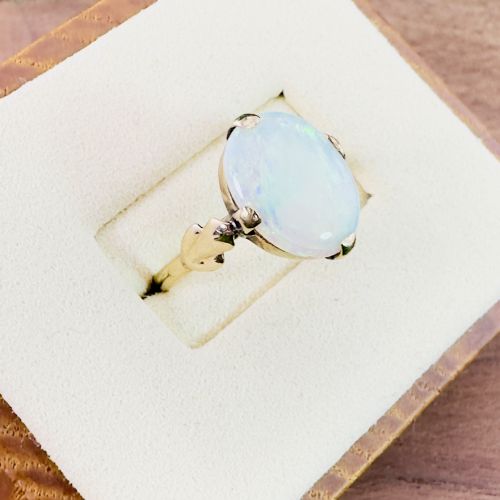
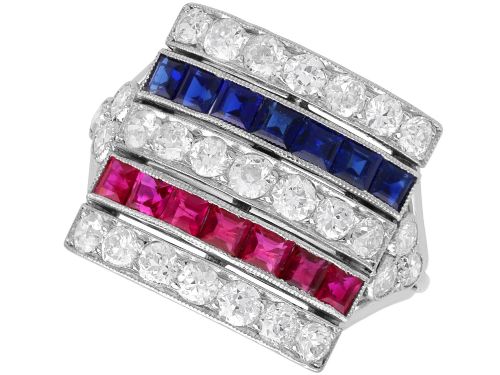
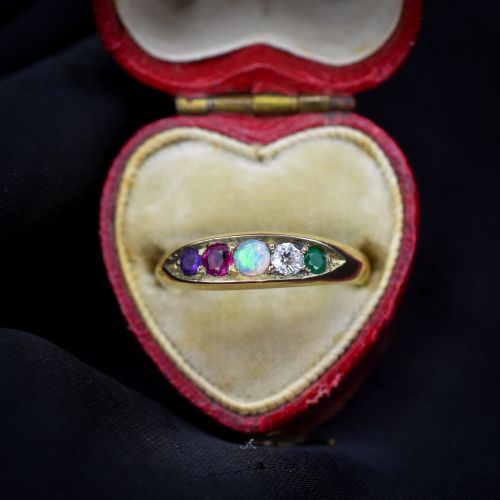
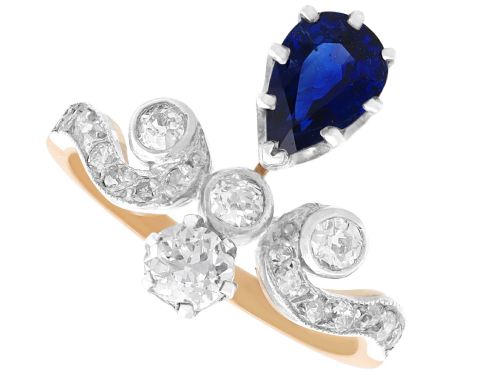

Fine Jewellery Band
A fine jewellery band represents a disciplined circle of precious metal set with diamonds, rubies, or sapphires.
Fine Jewellery Band
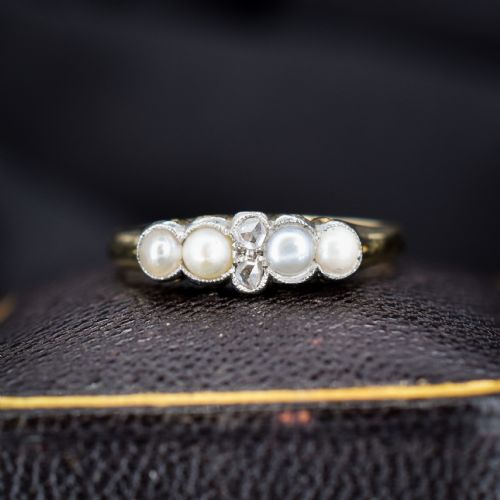
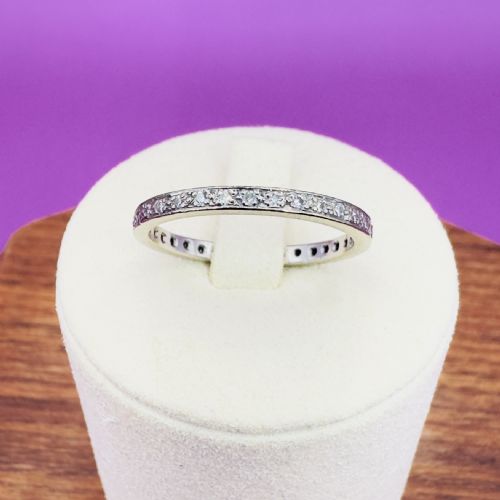
When you search for a fine jewellery band, you encounter a concentrated selection of rings and bracelets spanning the Victorian, Edwardian, Art Deco, and mid-century periods. These pieces are designed primarily as engagement rings, wedding bands, full and half eternity rings, and tennis bracelets.
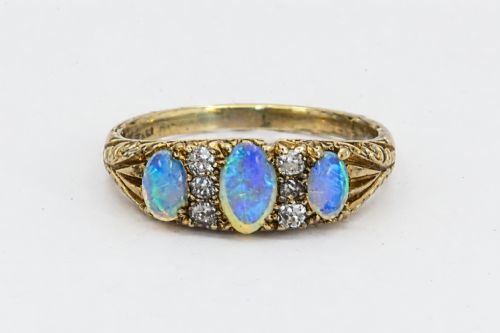
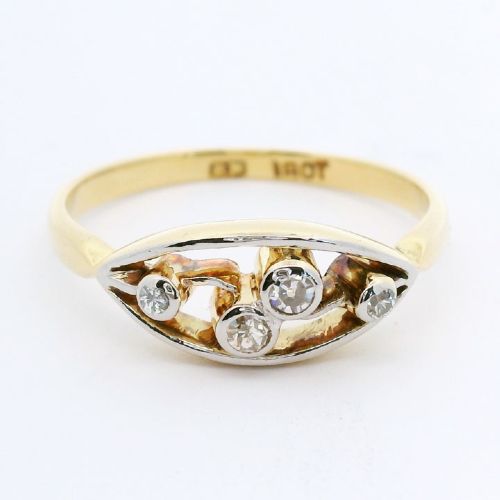
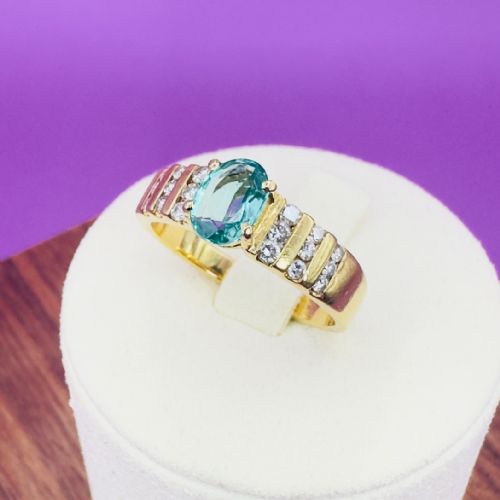
The most frequent examples on this page are structured around platinum or 18ct gold, incorporating diamonds alongside coloured gemstones such as sapphires, rubies, and emeralds. Many date from the 1960s and 1950s, though older Victorian and Edwardian examples appear regularly.
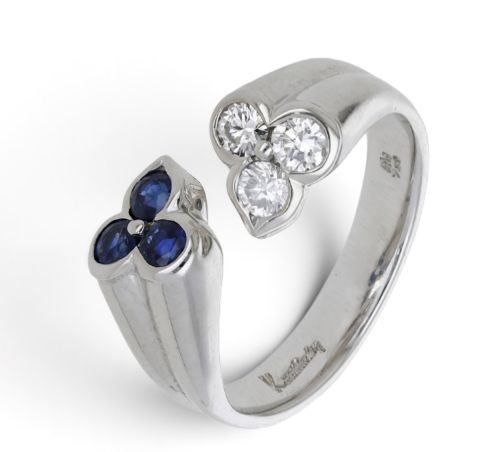
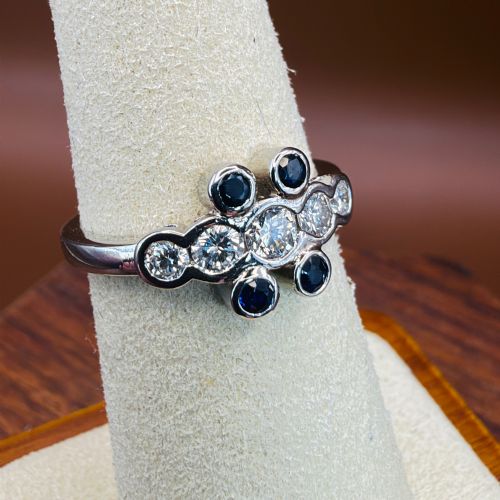
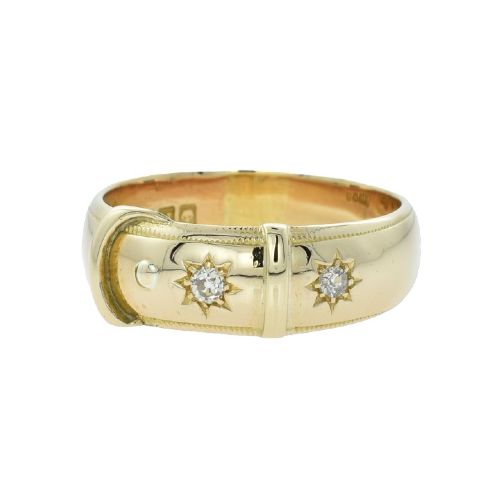
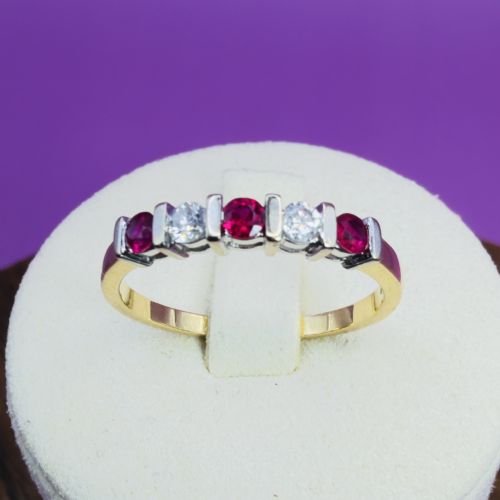
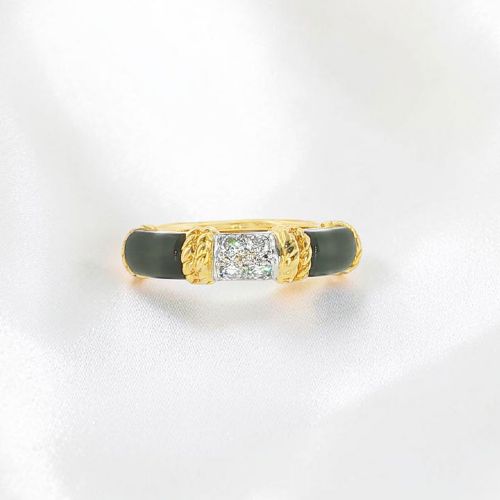
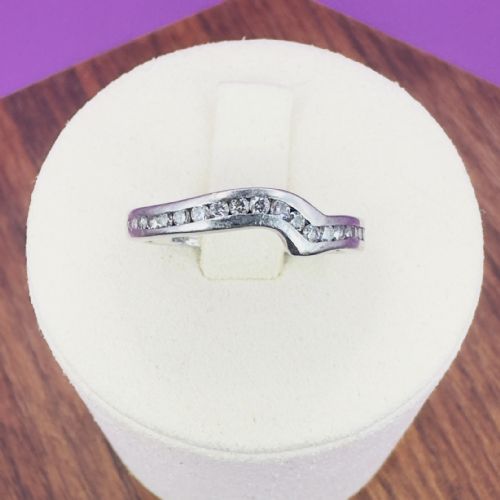
Formats range from classic five-stone settings and cluster configurations to crossover designs, buckle rings, and continuous diamond lines. Each piece functions as both personal adornment and a wearable artefact of its respective decade.
Materials and construction
Goldsmiths utilised platinum and various carats of gold, notably 18ct yellow, white, and rose gold, to form the structural hoops and bracelet links. These metals were cast, forged, and soldered to securely house the stones.
Gemstones including diamonds, sapphires, rubies, and emeralds were meticulously shaped into old cuts, brilliant cuts, emerald cuts, and baguettes. Setters secured them using precise claw, bezel, rubover, and channel techniques that defined each period's aesthetic.
Fine Jewellery Band Retail Price Guide 2026
Typical asking prices for fine jewellery band among the pieces listed under this phrase on Sellingantiques today, from the lower quarter to the upper quarter. They describe what is for sale here now, not the wider market.
Listings span multiple decades, incorporating Victorian, Edwardian, Art Deco, and 1960s periods in platinum and various gold carats.
Evaluating craftsmanship and integrity
The standard of a fine jewellery band depends upon the precision of the stone setting and the structural integrity of the metalwork. Superior pieces display even spacing, secure flush settings, and minimal wear to the prongs or channels regardless of age.
Material selection also dictates distinction, particularly the clarity and colour matching of diamonds and natural stones like sapphires or rubies. Original maker signatures and fitted presentation cases further elevate an item's standing.
Kutchinsky·Piaget
The Fine Jewellery Band Glossary
- Eternity ring
- A band set continuously with gemstones symbolising unending affection. Full versions encircle the entire finger while half versions feature stones solely across the top.
- Crossover ring
- A design where two opposing shanks or stone-set terminals intertwine at the centre. This style gained particular favour during the Edwardian and mid-century eras.
- Rubover setting
- A mounting style where a thin collar of metal is pushed over the girdle of the gemstone. It offers exceptional security and a sleek profile.
- Old cut
- A diamond facet arrangement utilised before modern brilliant cutting standards emerged. These stones exhibit smaller tables and broader culets that catch candlelight effectively.
Fine Jewellery Band: Frequently Asked Questions
What is an eternity ring?
An eternity ring is a precious metal band set with an unbroken line of identical gemstones, typically diamonds. They are traditionally given to mark significant wedding anniversaries.
Full versions place stones around the entire circumference, whereas half eternity versions set them only across the top half for easier resizing.
How do I wear a stacking band?
Stacking bands involve wearing multiple slim rings together on a single finger to create a layered aesthetic. You can combine different gold colours, such as yellow and white gold, alongside varied gemstone settings.
Matching band widths and profiles ensures the rings sit comfortably side by side without causing friction or excessive wear.
How do I identify Art Deco style?
Art Deco jewellery is characterised by geometric symmetry, clean lines, and strong architectural influences. It frequently pairs platinum with diamonds and calibré-cut coloured stones like rubies or sapphires.
This aesthetic emerged after the First World War and dominated design through the 1920s and 1930s, favouring stylized motifs over organic Victorian curves.