

Fine Gold Ring
A fine gold ring brings together precious metals and stones across Victorian, Edwardian and mid-century periods to wear every day.
Fine Gold Ring
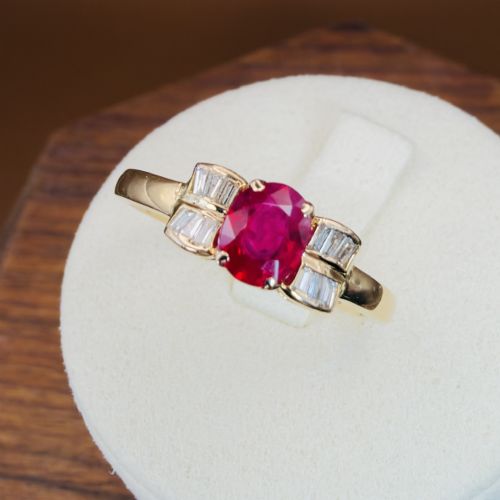
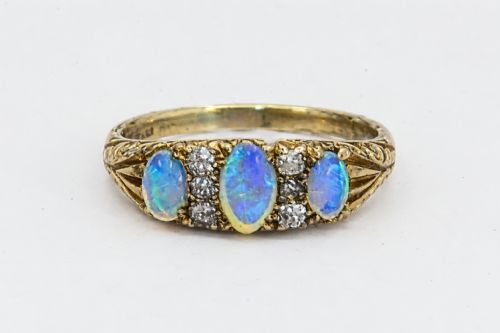
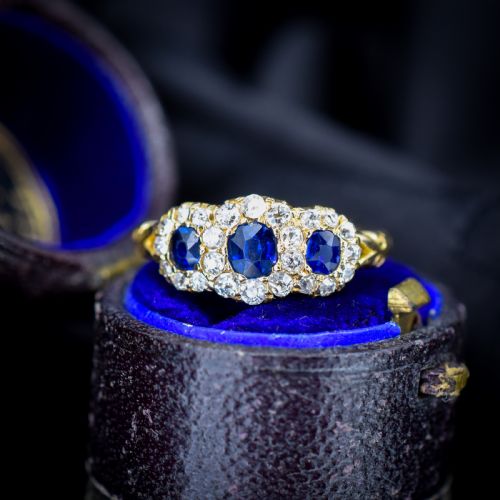
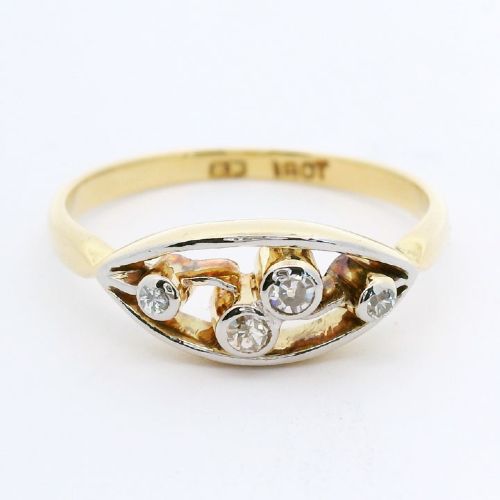
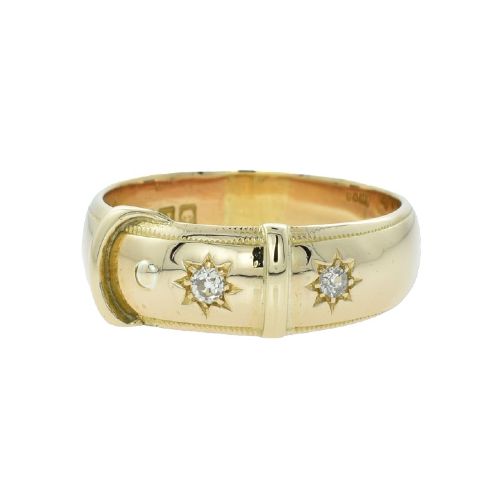
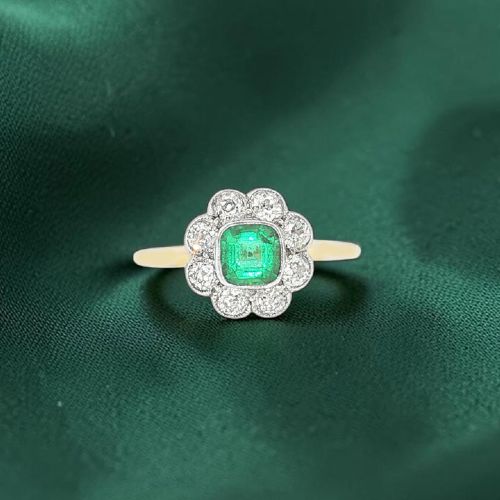
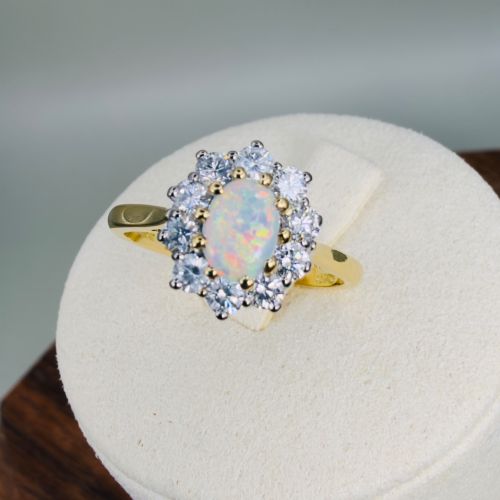
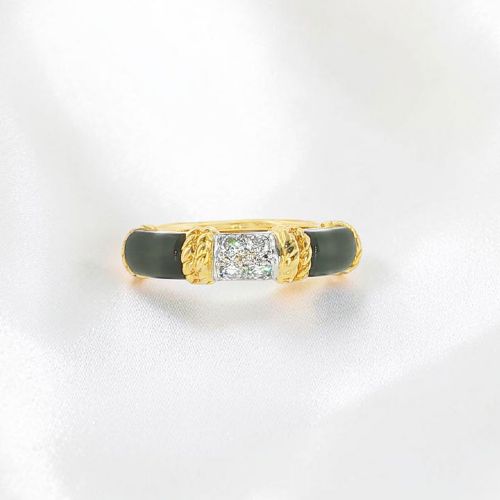
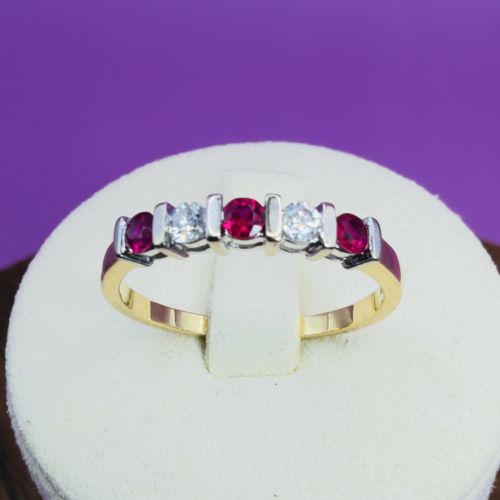
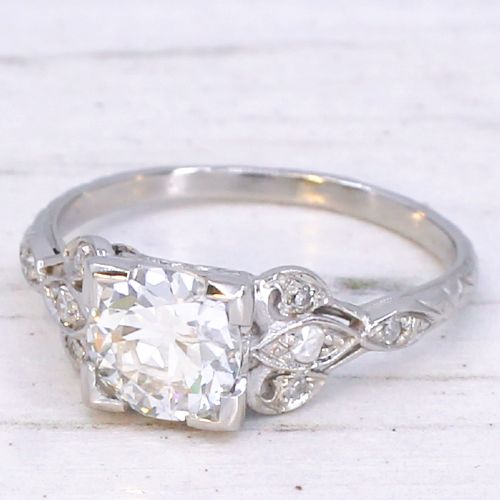
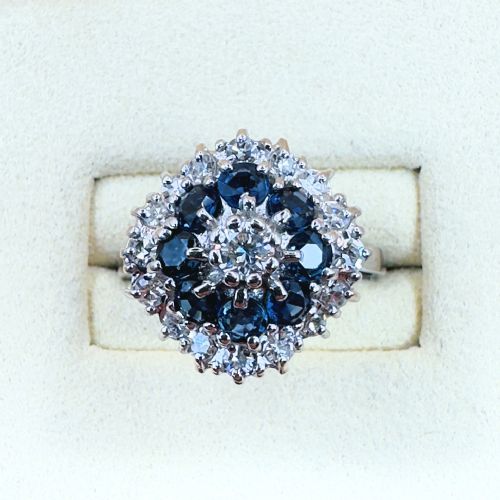
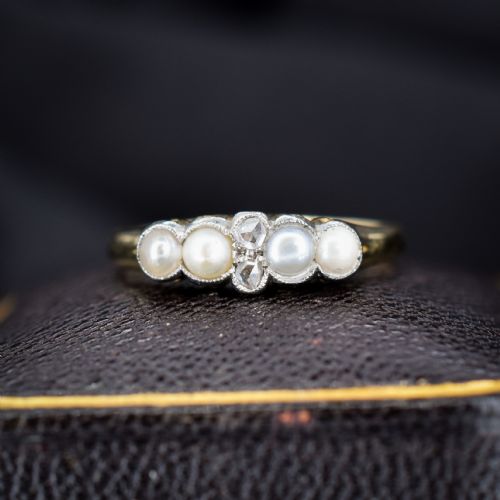
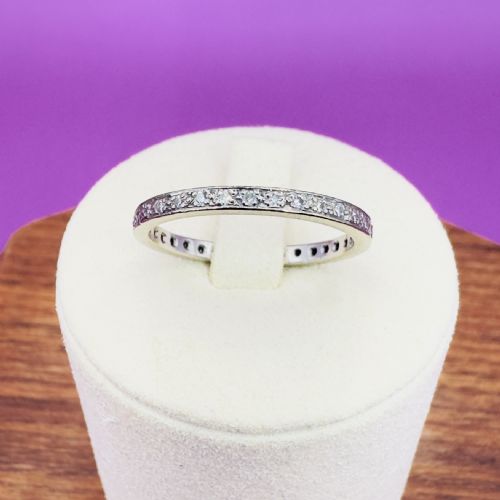
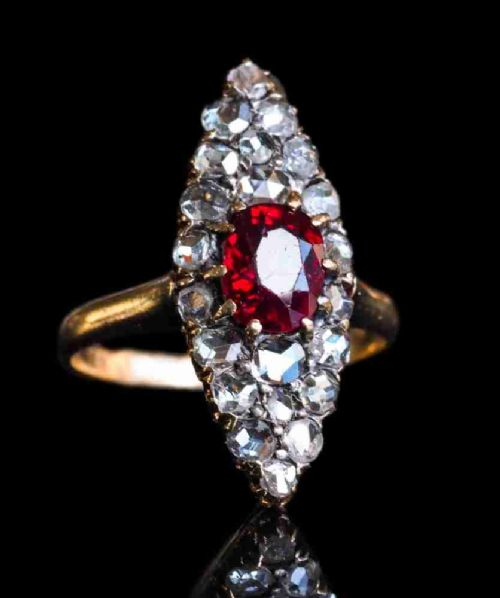
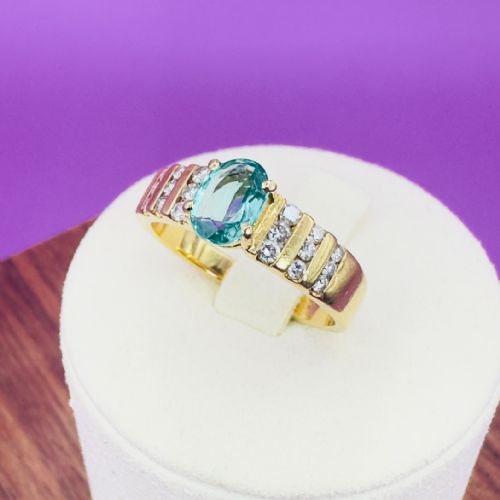
A fine gold ring encompasses a variety of historical designs, most frequently appearing as cluster rings, multi-stone bands and engagement rings set with diamonds, sapphires, rubies or opals.
The pieces span distinct eras from the late nineteenth century through the Edwardian period, Art Deco epoch and into mid-century modern designs.
While rings dominate the selection, related jewellery items such as necklaces and earrings occasionally appear alongside the primary ring forms.
How they were made
Craftsmen utilised yellow, white and rose gold alongside platinum settings to securely house precious gemstones.
Stones were shaped using traditional cuts, including old cuts, rose cuts, baguettes and brilliant cuts, before being mounted into cluster, solitaire or multi-stone configurations.
Several pieces incorporate scarab beetle drops and intaglios, showing Victorian fascination with ancient motifs.
What varies in quality
The calibre of a piece rests on the depth of the metalwork, the clarity and saturation of coloured stones, and the precision of the setting technique.
Subtleties in hand-finished claw work and the matching of secondary stones elevate standard examples into exceptional specimens.
Kutchinsky
The Fine Gold Ring Glossary
- Cluster ring
- A ring featuring a central gemstone surrounded by a border of smaller stones. This arrangement maximises visual impact and light reflection.
- Old cut
- A vintage diamond cutting style characterised by a small table, high crown and deep pavilion. These stones catch candlelight distinctively.
- Navette
- A boat-shaped gemstone setting that tapers to points at both ends. It creates an elongated silhouette across the finger.
- Solitaire
- A single gemstone mounted on a plain or shoulder-set band. This style highlights the individual characteristics of the central stone.
- Platinum setting
- A durable white metal mounting used particularly in Edwardian jewellery to hold diamonds securely with minimal visible metal.
Fine Gold Ring: Frequently Asked Questions
How do I care for antique rings?
Store each piece separately in a soft pouch to prevent scratching between harder and softer stones.
Clean gently with warm soapy water and a soft brush, avoiding harsh chemical dips that can damage opals or pearls.
Can these rings be resized?
Most gold and platinum bands permit adjustment by a skilled jeweller depending on the shank thickness and gemstone placement.
Intricate eternity designs with stones channel-set around the entire band generally resist resizing.
What defines an Edwardian ring?
Edwardian designs typically combine platinum settings with yellow gold bands, favouring light, airy lace-like motifs.
Diamonds, pearls and blue sapphires feature prominently in these aristocratic pieces.
How are different eras identified?
Stylistic clues such as geometric Art Deco lines or Victorian claw settings provide initial period indications.
Hallmarks and stamps stamped inside the band offer definitive confirmation of origin and date.