
Fine Gold Gemstone Jewellery
Fine gold gemstone jewellery brings together precious metals and colourful minerals from periods spanning the Victorian era to the mid-twentieth century.

Fine Gold Gemstone Jewellery
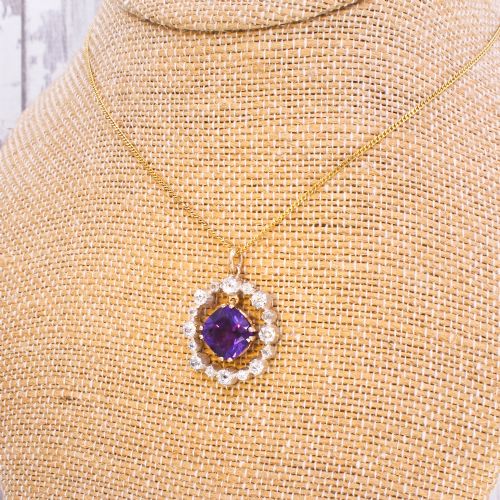
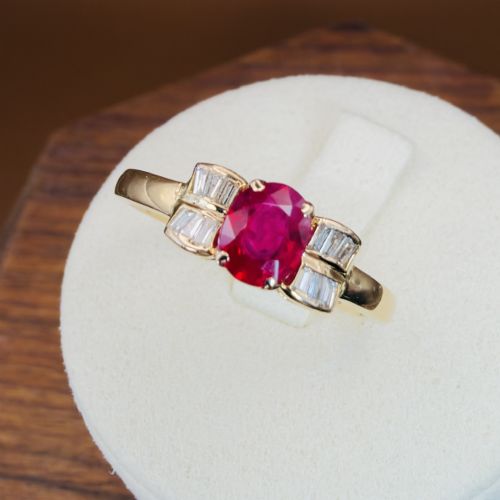
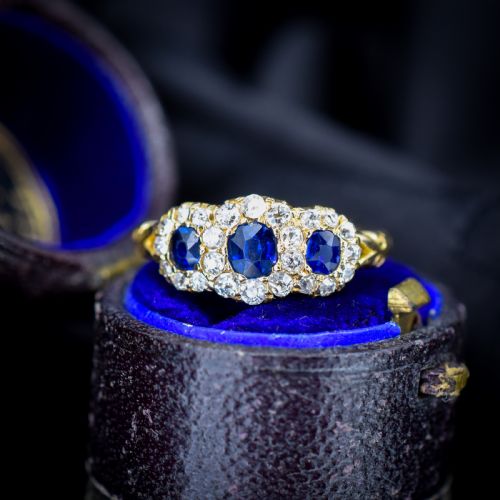
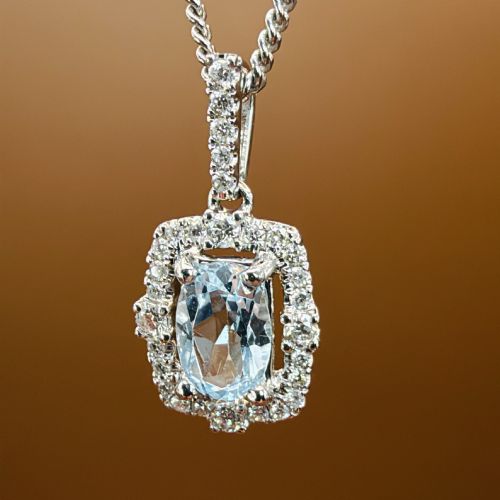
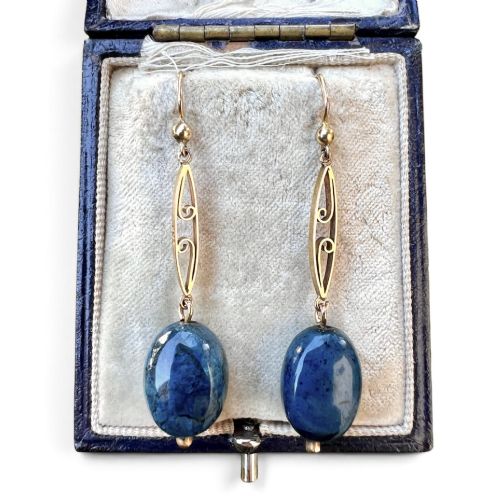
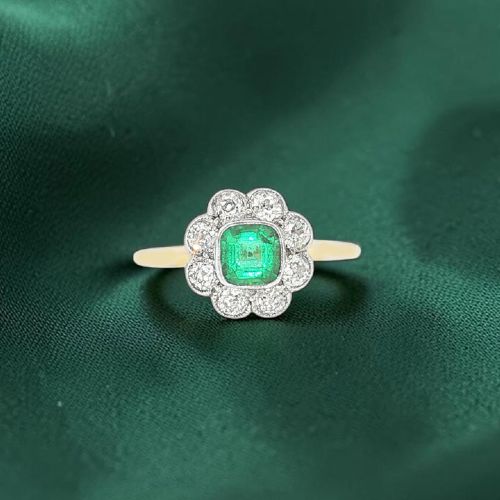
When you search for fine gold gemstone jewellery, you encounter rings, earrings, pendants, necklaces, and bracelets created across distinct eras including the Victorian, Edwardian, Art Deco, and mid-century periods. These pieces combine precious metals with stones such as diamond, sapphire, emerald, ruby, amethyst, opal, and aquamarine.
The objects serve as personal adornments that reflect the evolving aesthetic preferences of the nineteenth and twentieth centuries. Each item demonstrates how jewellers arranged precious stones within yellow or white gold settings to highlight the natural colour and cut of the minerals.
How they were made
Maker's workshops utilised 18ct gold, 9ct gold, and platinum as the primary structural metals for mounting precious and semi-precious stones. Metals were cast, hammered, and drawn into wire to form the bezels, claws, and hinged backs required to secure each gemstone.
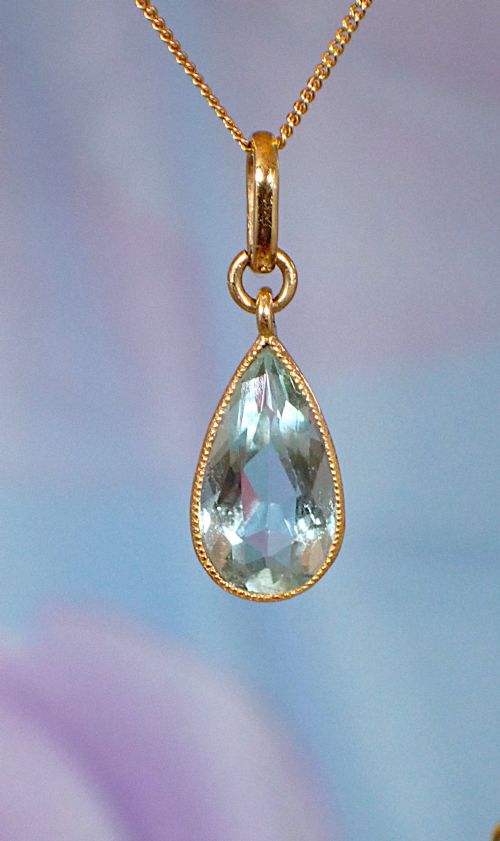
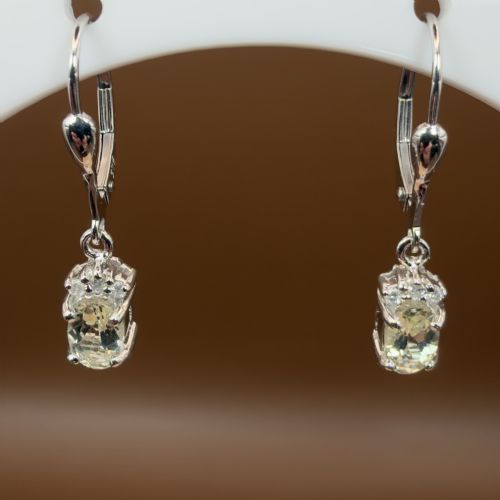
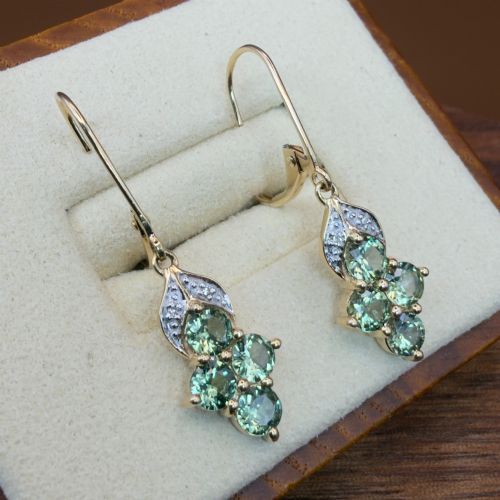
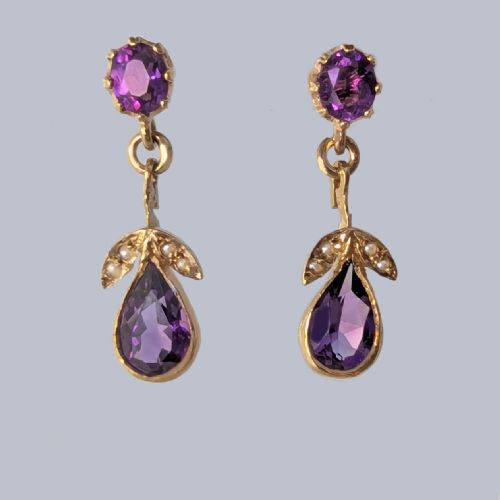
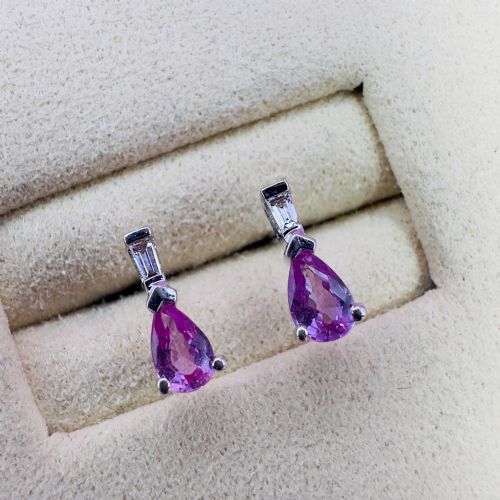
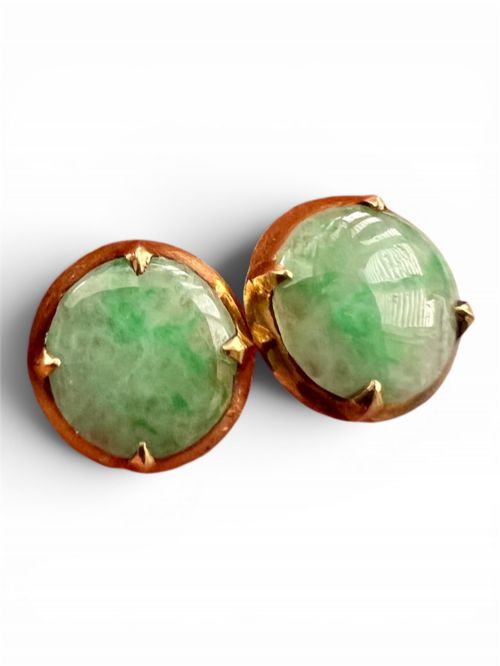
Gems including diamonds, rubies, sapphires, emeralds, and opals were shaped using various cutting techniques such as old cut, oval cut, baguette cut, pear cut, and cabochon. Jewellers then set these stones alongside seed pearls and decorative elements by hand, utilising cluster and navette arrangements to maximise visual impact.
Several pieces incorporate moonstones that appear to capture a quiet, drifting glow within their smooth cabochon domes.
What varies in quality
Quality in these pieces rests upon the selection and integration of the materials rather than any single component. Finer examples display stones with saturated natural colours and clean settings where the metalwork supports the gemstone without dominating the design.
The precision of the stone cutting and the harmony between the gold colour and the gemstone dictate the standing of an item. Superior pieces maintain structural integrity alongside balanced proportions, ensuring the jewellery sits comfortably while showcasing the brilliance of the diamonds and coloured stones.
The Fine Gold Gemstone Jewellery Glossary
- Cluster ring
- A ring featuring a central gemstone surrounded by a cluster of smaller stones, typically diamonds.
- Cabochon
- A gemstone shaped and polished with a smooth, rounded surface rather than faceted edges.
- Old cut
- An early diamond cutting style characterised by a high crown, small table, and deep pavilion.
- Navette
- A boat-shaped gemstone setting that tapers to pointed ends at either side.
- Lavalier
- A pendant necklace featuring a suspended gemstone or drop that hangs below a central decorative element.
Fine Gold Gemstone Jewellery: Frequently Asked Questions
What periods do these pieces come from?
The items span several distinct eras, beginning with the Victorian and Edwardian periods around the turn of the twentieth century. You also find pieces from the Art Deco era and mid-century decades up to the 1960s.
Each period brought specific design characteristics, such as delicate seed pearl work in early pieces and bolder cluster arrangements in later mid-century items.
How do I care for gold gemstone jewellery?
Precious metal and gemstone pieces require gentle cleaning using warm water and a soft cloth to remove everyday oils and dust. Avoid harsh chemical dips, particularly when dealing with softer organic materials like opals or pearls.
Store items separately in lined boxes or pouches to prevent the harder stones, such as diamonds, from scratching the gold settings or softer gems.
What is the difference between white gold and yellow gold?
Yellow gold is an alloy of pure gold mixed with silver and copper to retain a warm, golden hue. White gold is created by combining gold with white metals like palladium or silver, often finished with rhodium plating for a bright, silvery appearance.
Both metals provide a durable base for gemstone jewellery, with the choice depending entirely on whether the wearer prefers a traditional warm tone or a cooler metallic finish.
How are opals set into older rings?
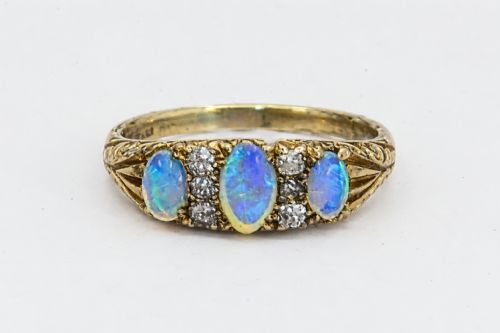
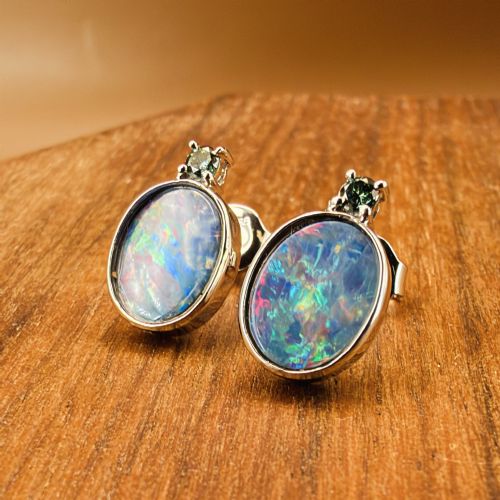
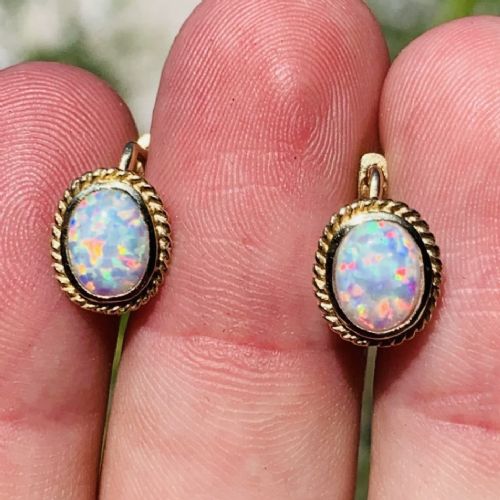
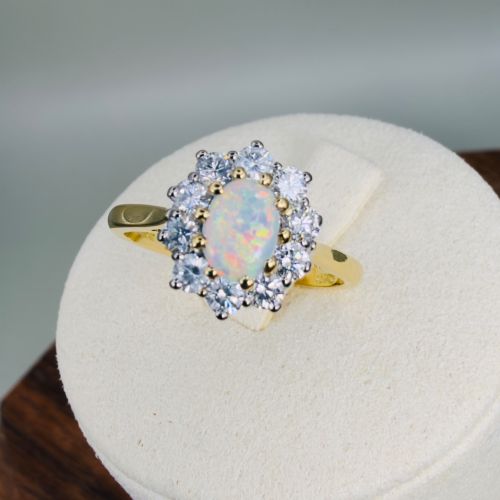
Opals in antique and vintage rings are typically held within secure bezel or claw settings designed to protect their delicate edges. Because opals contain natural moisture and possess a different hardness than diamonds, jewellers took care to cushion them within the metal mount.
Cabochon cuts are most common for opals, allowing the curved stone to display its play of colour safely within the gold framework.