

Fine Gold Cluster Jewellery
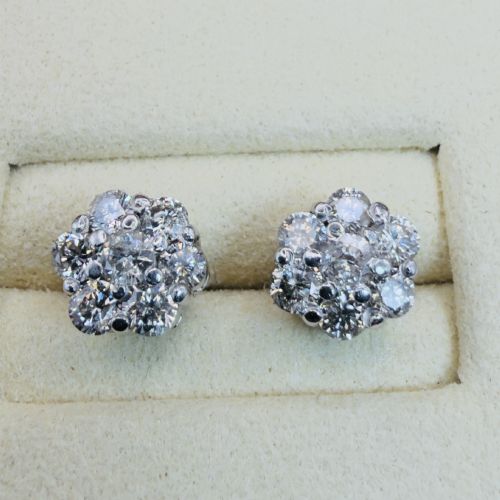
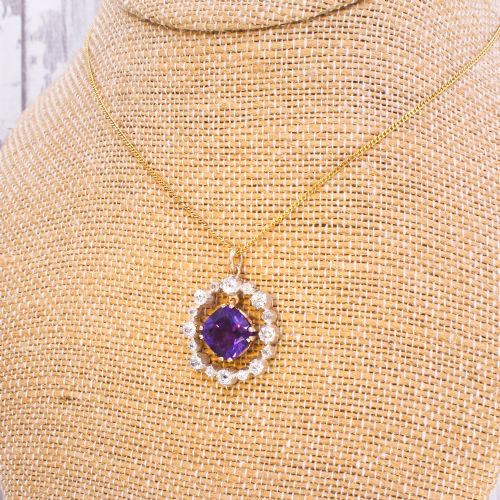
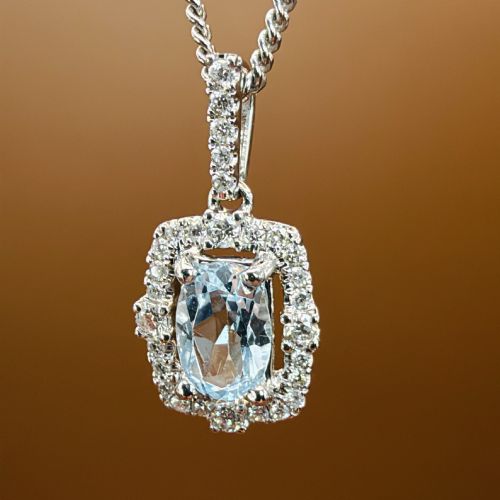
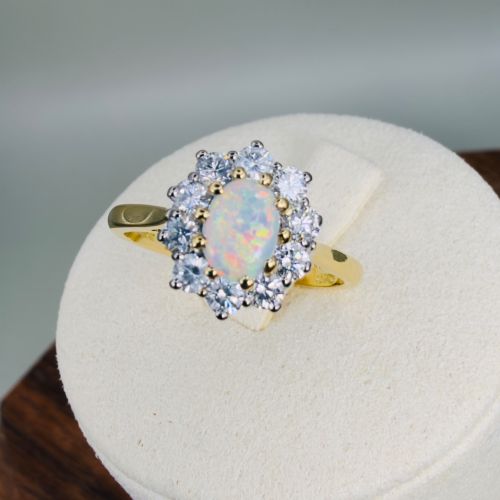
Fine gold cluster jewellery brings together central gemstones framed by diamonds across rings, earrings, and pendants spanning the Victorian period to the mid-century.
Fine Gold Cluster Jewellery
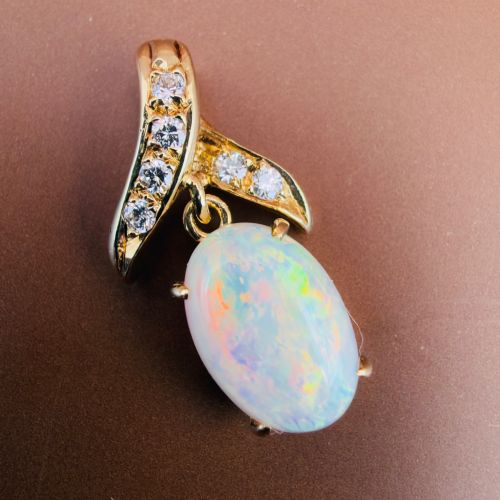
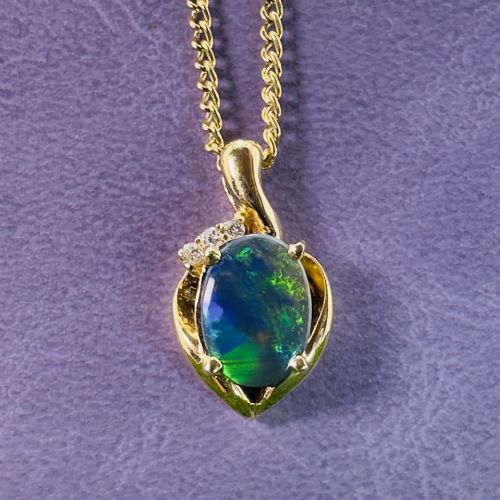
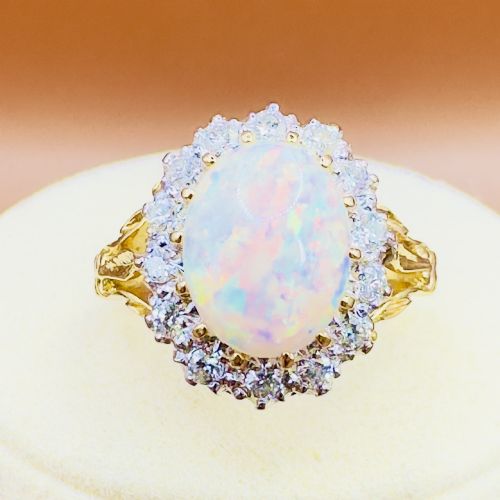
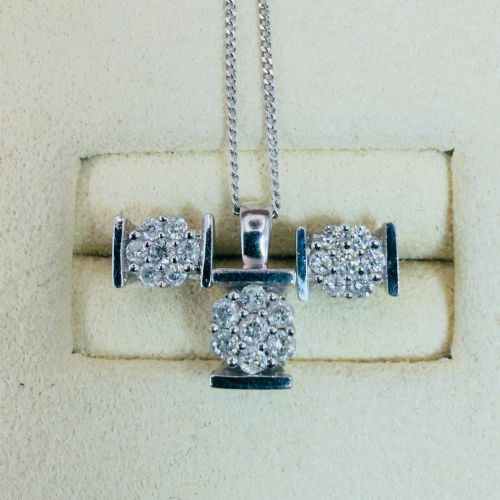
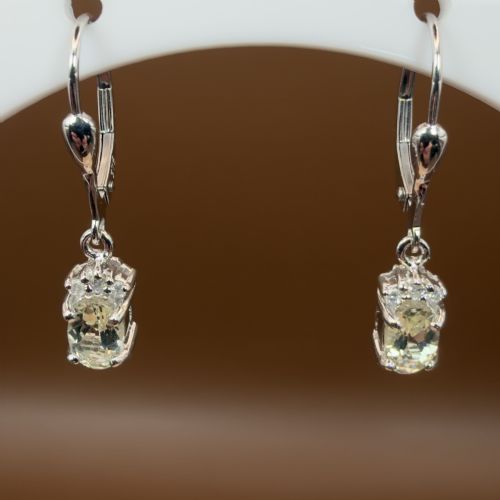
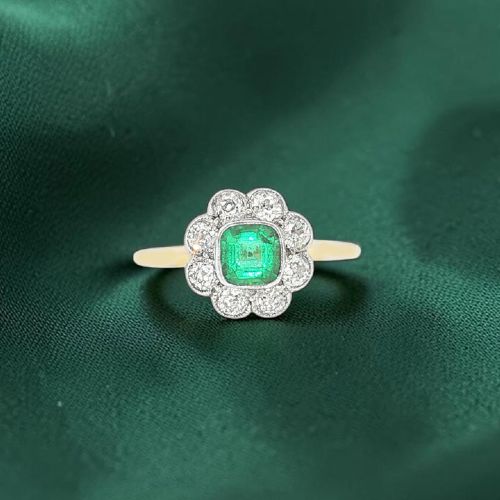
Fine gold cluster jewellery comprises rings, earrings, pendants, and bracelets designed around a central gemstone surrounded by smaller accent stones, most commonly diamonds framing sapphires, rubies, emeralds, or opals. These pieces appear across Victorian, Edwardian, Art Deco, and mid-century eras, reflecting changing tastes in gemstone arrangement and mount design.
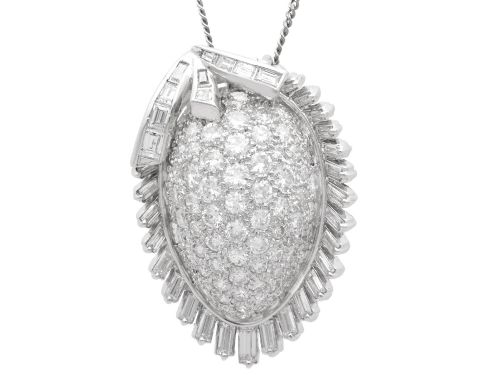
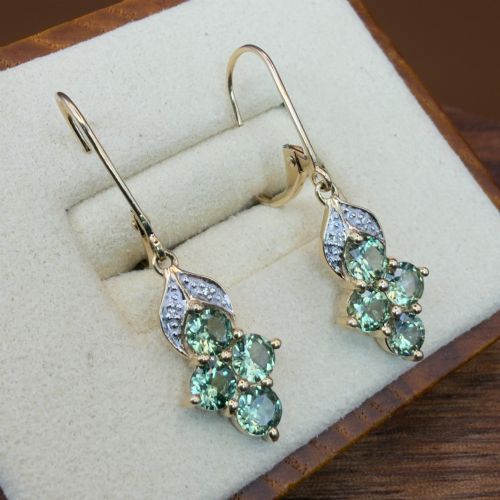
The most common forms on this page include 18ct yellow and white gold rings and earrings set with blue sapphires, emeralds, or cabochon opals bordered by brilliant or old-cut diamonds. Pendants and matching jewellery sets also feature in 9ct and 18ct gold, showing how clusters expanded beyond finger adornments into neck chains and drop earrings during the mid-twentieth century.
How they were made
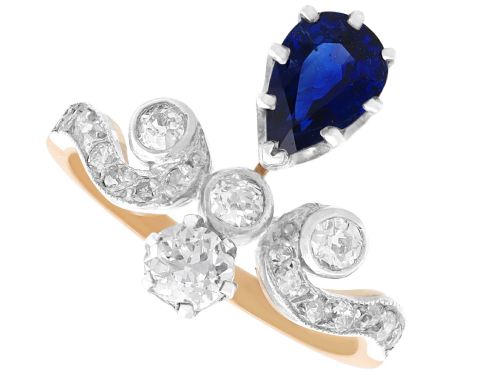
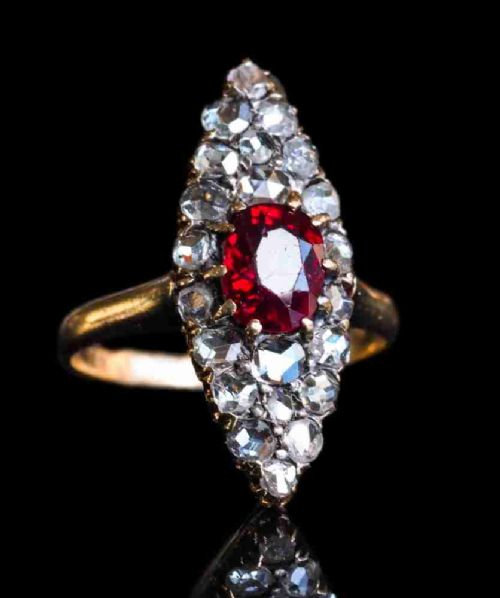
Goldsmiths worked primarily in 18ct yellow gold, 18ct white gold, and platinum-topped 18ct gold, securing central stones and surrounding accent diamonds within claw or bezel settings. Earlier Victorian and Edwardian examples utilise traditional hand-cut old-cut and rose-cut diamonds, whilst mid-century pieces incorporate round brilliant, princess, and marquis cuts.
Construction methods evolved from heavier closed-back settings in nineteenth-century pieces to lighter, open-backed mountings by the mid-twentieth century that allowed light to pass through the gemstones. Metalwork techniques included detailed gallery wirework, millegrain edging on Edwardian mountings, and cast gold structures for heavier opal and sapphire pendants.
Fine Gold Cluster Jewellery Retail Price Guide 2026
Typical asking prices for fine gold cluster jewellery among the pieces listed under this phrase on Sellingantiques today, from the lower quarter to the upper quarter. They describe what is for sale here now, not the wider market.
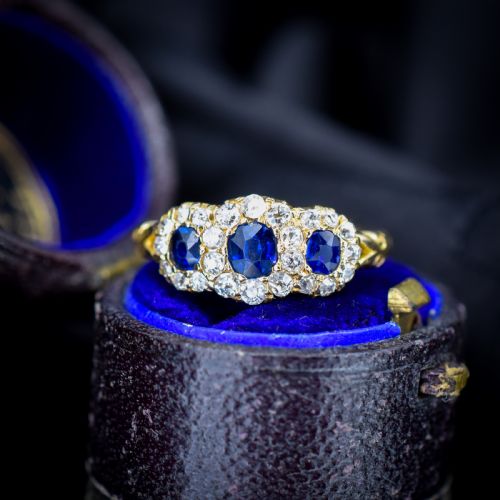
One surviving mid-century ring arrives safely tucked inside its original fitted presentation case.
What varies in quality
Quality in these pieces rests upon the saturation and clarity of the central gemstone, whether a natural unheated ruby, a Columbian emerald, or a basaltic sapphire, balanced against the matching grade and cut of the surrounding diamonds. Superior examples maintain proportional harmony between the central stone and its outer cluster without obscuring the mount.
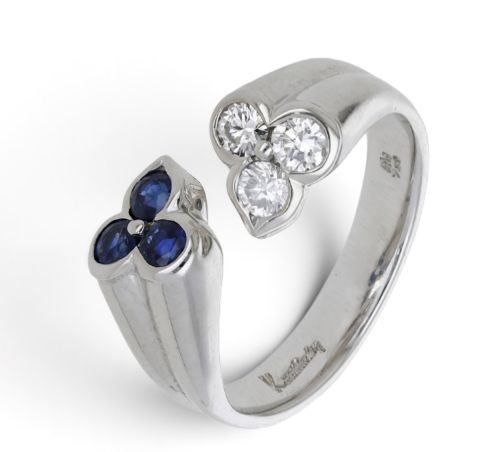
The integrity of the gold work and the precision of the stone setting further differentiate the tier of a piece, observable in the crispness of millegrain detailing on Edwardian items or the structural heft of 18ct white gold mid-century mountings. Original presentations, such as fitted cases or maker signatures like Kutchinsky, elevate the historical standing of surviving items.
Kutchinsky
The Fine Gold Cluster Jewellery Glossary
- Cluster
- A jewellery arrangement featuring a prominent central gemstone encircled by a group of smaller accent stones, typically diamonds.
- Old-cut
- A hand-faceted diamond cut prevalent before the standardisation of the modern brilliant cut in the early twentieth century, characterised by a smaller table and higher crown.
- Navette
- A boat-shaped gemstone setting or ring design that tapers to pointed ends, also known as a marquise shape.
- Millegrain
- A decorative jewellery technique featuring a border of tiny raised metal beads along the edges of a setting.
- Cabochon
- A gemstone shaped and polished with a smooth, convex upper surface rather than faceted planes.
Fine Gold Cluster Jewellery: Frequently Asked Questions
What periods do these pieces span?
The selection covers items from the late Victorian and Edwardian eras through the 1920s, 1930s, and mid-century modern period up to the late twentieth century.
Victorian and Edwardian items often feature hand-cut old stones and intricate gold work, whilst 1950s and 1960s pieces showcase brighter white gold settings and distinct geometric cluster arrangements.
Which gemstones are used most often?
Diamonds, sapphires, emeralds, and opals form the primary materials across rings, earrings, and pendants.
Sapphires and emeralds frequently occupy the central position of a cluster, bordered by diamonds set in yellow or white gold.
How do I care for antique cluster jewellery?
These pieces require gentle handling due to their age and the delicate nature of claw-set stones and softer materials like opals.
Professional cleaning and regular checks of the metal settings help secure the smaller cluster diamonds over decades of wear.
Are these items sold as complete sets?
Certain listings combine matching earrings and necklaces into unified jewellery sets created from the same gold and gemstone palette.
Individual rings and pendant necklaces make up the majority of the available items, allowing collectors to acquire standalone cluster pieces.