



Fine Estate Jewellery
Fine estate jewellery brings together decades of design, spanning Victorian pieces through to mid-century styles.
Fine Estate Jewellery
Fine estate jewellery encompasses rings, necklaces, brooches, bracelets, earrings, and suites gathered from past eras. When buyers search for fine estate jewellery, they encounter works from the Victorian, Edwardian, and Art Deco periods, alongside mid-century and retro designs. These items represent wearable history, carrying the distinct aesthetic of the decade in which they were first made.
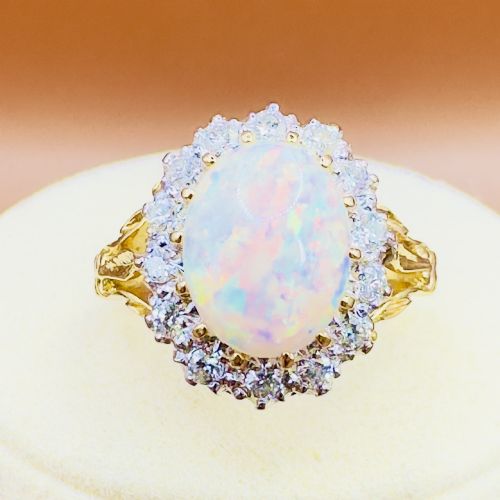
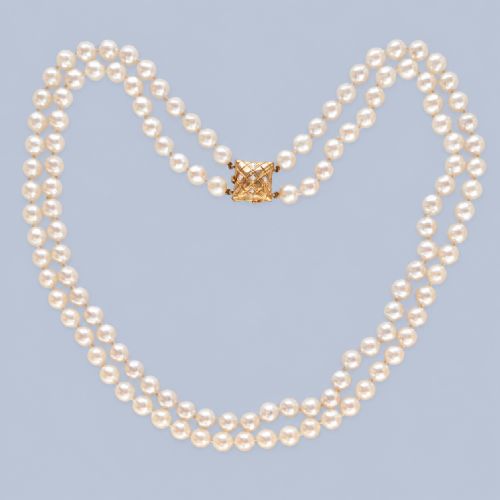
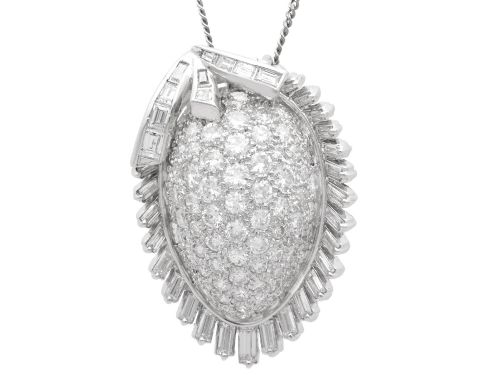
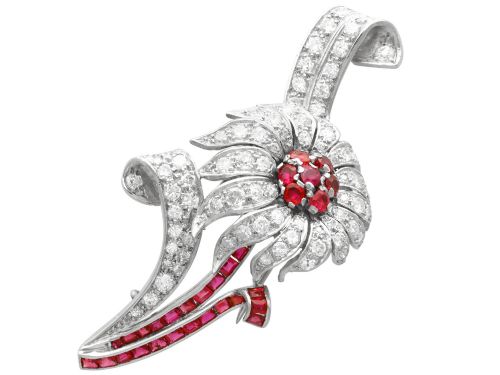
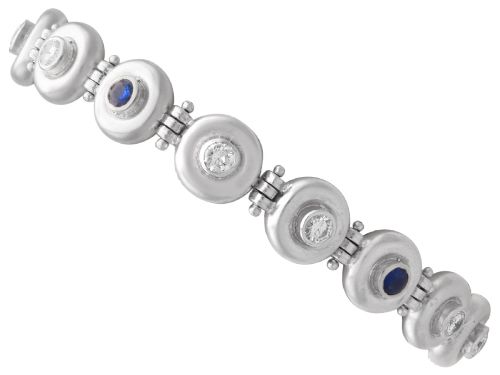
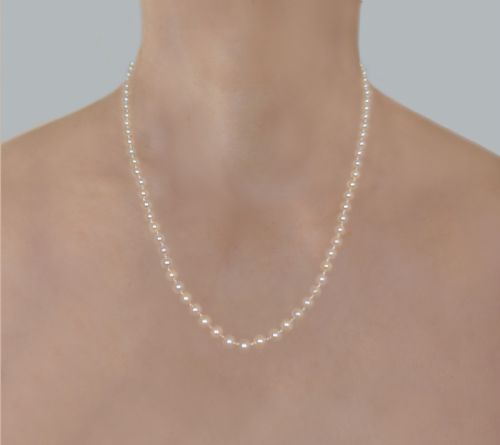
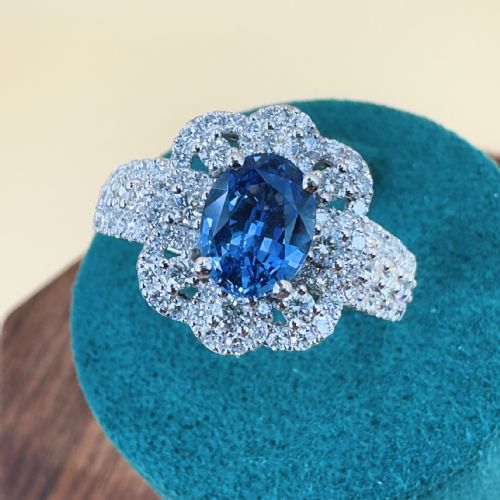
The assortment on this page ranges from pearl necklaces and diamond flower brooches to platinum cluster rings and emerald pendants. Many pieces showcase precious gemstones such as sapphires, rubies, and opals set in gold or platinum. Each item retains the character of its original period, offering distinct craftsmanship not found in modern mass-produced items.
Materials and construction
Makers utilised platinum and various purities of gold, including 9ct, 14ct, and 18ct white and yellow gold, as the structural foundation for these items. Gemstones such as diamonds, sapphires, emeralds, and rubies were carefully cut and secured alongside cultured pearls. Metalwork techniques varied from heavy platinum casting to detailed floral spray brooches and organic pendant designs.
Construction methods reflected the stylistic demands of each era, from Edwardian delicacy to the bold geometry of Art Deco. Artisans mounted stones in settings designed to maximise light reflection while ensuring structural security. Many pieces incorporate specialised clasps, custom links, and intricate stone clusters characteristic of mid-century workshops.
Fine Estate Jewellery Retail Price Guide 2026
Typical asking prices for fine estate jewellery among the pieces listed under this phrase on Sellingantiques today, from the lower quarter to the upper quarter. They describe what is for sale here now, not the wider market.
Listings feature items from the Victorian period through to the 1960s, constructed in platinum, gold, and white gold.
Distinctions in quality
Quality in fine estate jewellery rests upon the calibre of the gemstones and the precision of the metalwork. Pieces featuring substantial carat weights of diamonds, unheated sapphires, or fine emeralds occupy the upper tier of the range. The integration of precious metals like platinum further elevates a piece's standing.
The artistry of the setting and the preservation of the original structure distinguish superior items. Works signed by established houses or exhibiting complex construction, such as multi-stone floral brooches or articulated bracelets, demonstrate higher levels of craftsmanship. The harmony between stone selection and period-appropriate design defines the finest examples.
Le Vian·Chaumet
The Fine Estate Jewellery Glossary
- Cabochon
- A gemstone shaped and polished with a smooth, rounded surface rather than faceted. This style is often used for opals and star stones to highlight their internal characteristics.
- Art Deco
- A design style prominent in the 1920s and 1930s characterised by geometric shapes, stylised motifs, and strong lines. Pieces from this period frequently pair platinum with diamonds and sapphires.
- Cluster ring
- A ring featuring a central gemstone surrounded by a group of smaller stones, typically diamonds. This arrangement maximises visual impact and sparkle.
- Platinum
- A dense, durable, and naturally white precious metal favoured for high-end jewellery. Its strength allowed artisans to create delicate settings that securely hold large diamonds.
Fine Estate Jewellery: Frequently Asked Questions
What is fine estate jewellery?
Fine estate jewellery consists of previously owned pieces created in past decades and centuries. These items include rings, brooches, necklaces, and bracelets originating from periods like the Victorian era, Art Deco, and mid-century.
Each piece reflects the materials and design philosophies of its specific time. Buyers acquire them for their craftsmanship, history, and individual character.
How do I care for antique jewellery?
Care depends heavily on the materials used in the piece. Diamond and platinum items generally withstand gentle cleaning with warm water and a soft brush, while pearls and softer stones require much more caution.
Store items separately to prevent gemstones from scratching softer metals or each other. Regular professional checks ensure that older settings and prongs remain secure.
How can I date my piece?
Dating jewellery involves examining the materials, gemstone cuts, and manufacturing techniques. Hallmarks stamped into the metal often provide specific assay office marks and date letters.
Stylistic markers, such as the geometric lines of Art Deco or the heavy platinum work of the Edwardian era, offer further clues. Comparing construction methods to documented historical examples narrows down the period.
Can estate jewellery be resized?
Many rings and bracelets can be altered by a skilled jeweller experienced in antique pieces. The feasibility depends on the metal type, band width, and whether stones are set around the entire circumference.
Intricate gallery work or continuous gemstone settings may limit resizing options. Consulting a specialist ensures the structural integrity of the piece remains intact.