

Fine Rings
Fine antique rings span Victorian, Edwardian, and Art Deco periods, offering enduring craftsmanship and precious stones for everyday wear.
Fine Rings
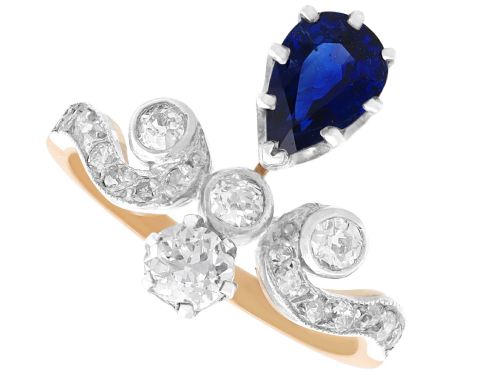
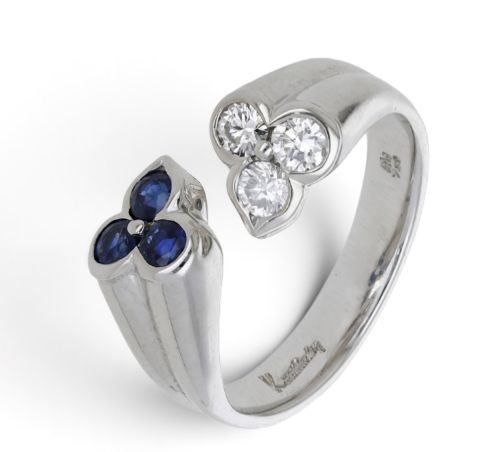
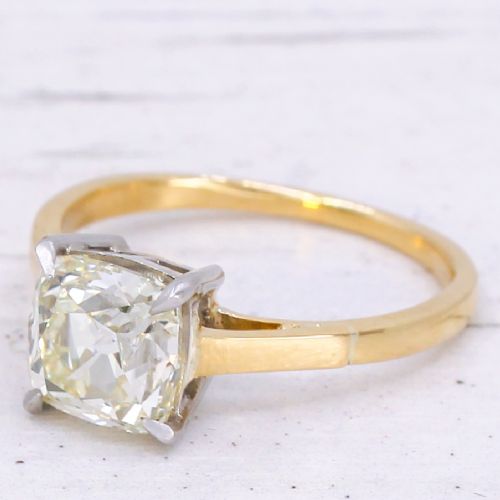
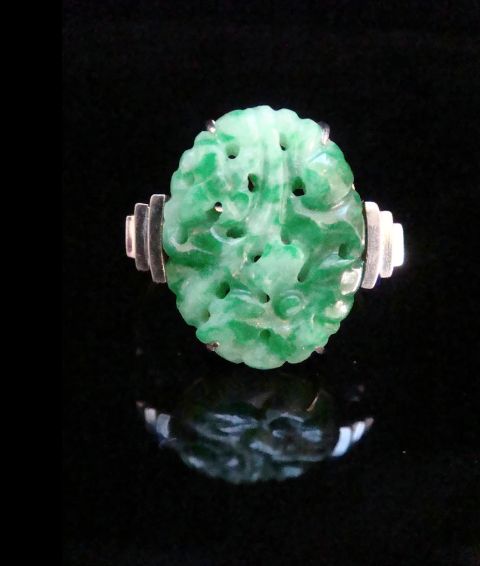
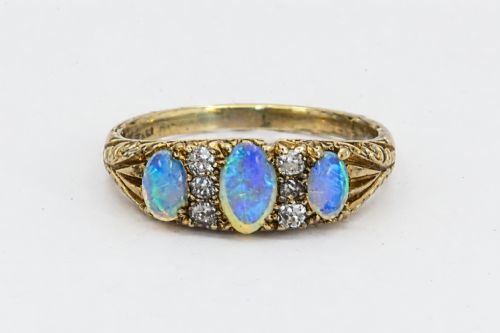
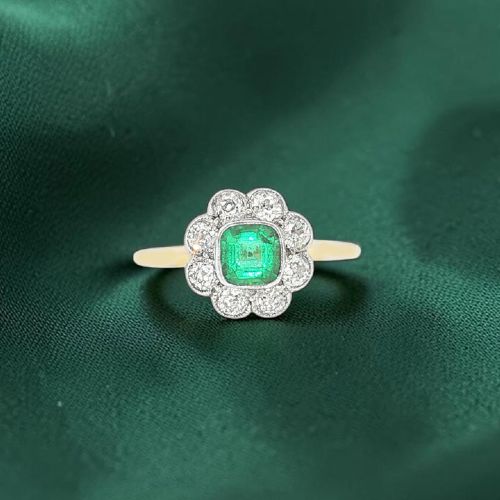
Fine antique rings encompass centuries of lapidary skill, including multi-stone clusters, delicate navette shapes, and robust engagement bands. These pieces capture the distinctive aesthetic movements of their eras, from ornate Victorian designs to geometric Art Deco creations.
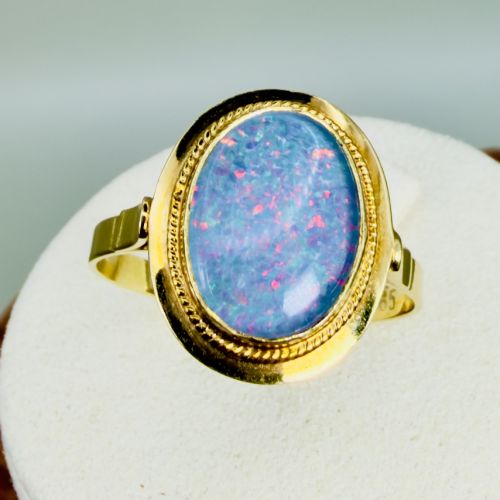
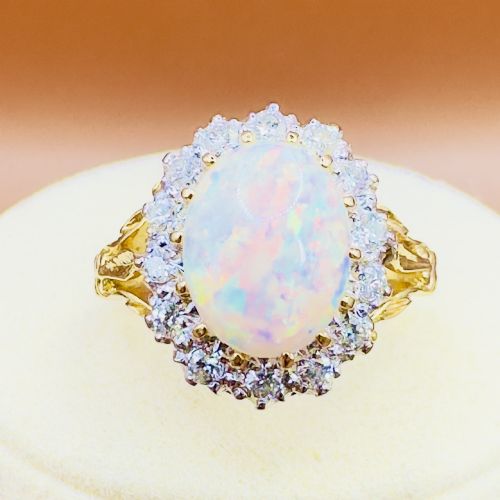
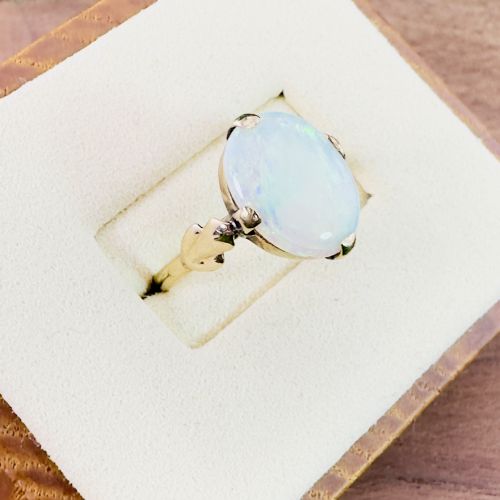
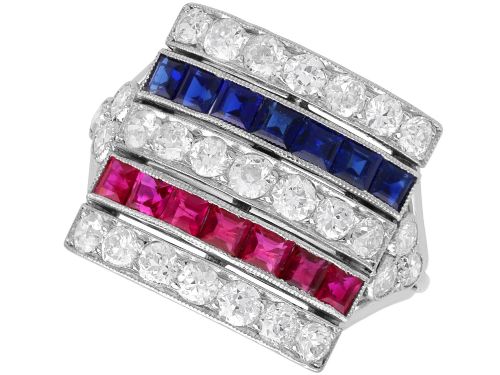
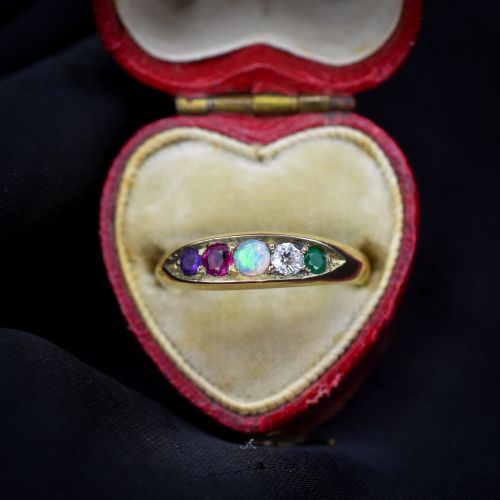
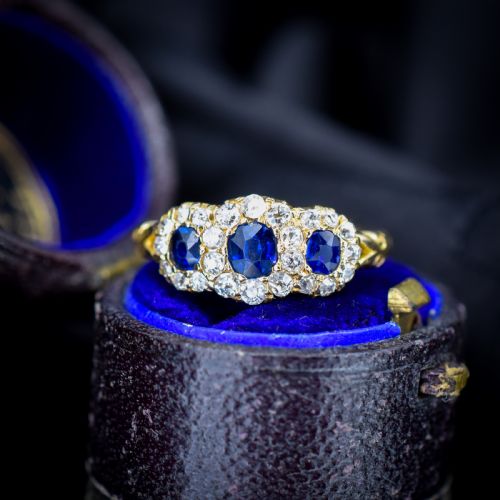
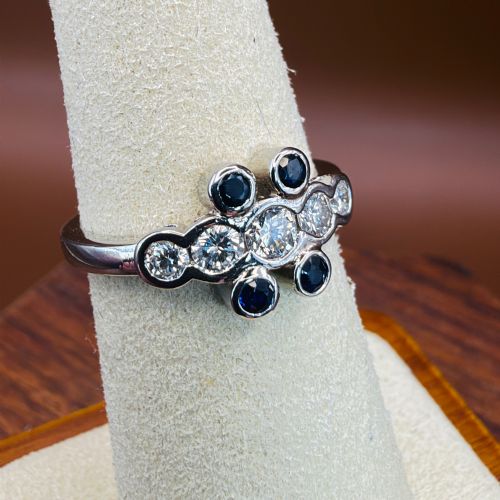
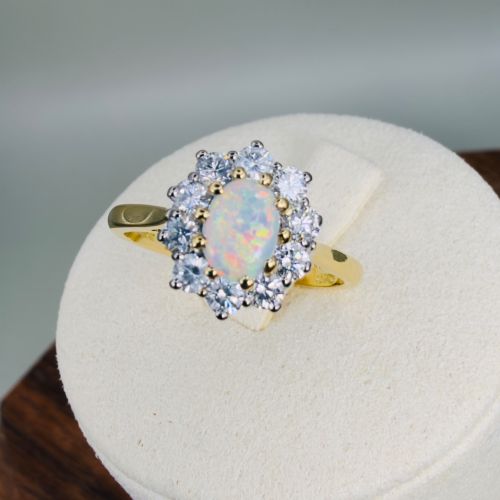
Buyers seeking fine antique rings will frequently encounter Victorian and Edwardian gold bands alongside platinum Art Deco mountings. Common gemstone configurations involve diamonds paired with sapphires, rubies, emeralds, and opals.
Beyond standard rings, the selection includes cocktail rings and specific configurations like five-stone bands and tiara rings. Each item reflects the jewellery trends and materials of its specific decade of production.
How they were made
Goldsmiths utilised yellow gold, white gold, and platinum to set diamonds and coloured gemstones by hand. Metalworking techniques such as claw setting and intricate gallery work secured stones while maximising light entry.
Gemstones feature traditional cuts like old-cut diamonds, rose-cut diamonds, and cushion cuts shaped by hand. These older cutting styles display softer facets compared to modern machine-cut stones.
Fine Rings Retail Price Guide 2026
Typical asking prices for fine rings among the pieces listed under this phrase on Sellingantiques today, from the lower quarter to the upper quarter. They describe what is for sale here now, not the wider market.
Listings feature yellow gold, white gold, and platinum across Victorian, Edwardian, and Art Deco periods.
What varies in quality
Quality in fine antique rings rests upon the natural origin and saturation of coloured stones, such as imperial jade and unheated rubies. The clarity and carat weight of accompanying diamonds also dictate the standing of a piece.
The finesse of the metalwork, including the preservation of delicate millegrain edges and structural integrity of the prongs, distinguishes superior examples. Maker marks and assay office stamps further elevate a piece by confirming its provenance.
The Fine Rings Glossary
- Navette
- A boat-shaped ring design that tapers to points at both ends, popular in Georgian and Victorian jewellery.
- Old-cut
- A hand-faceted diamond cut prevalent before the standardisation of modern brilliant cuts, featuring a smaller table and higher crown.
- Millegrain
- A decorative technique featuring a row of tiny raised metal beads along the edges of a setting.
- Claw setting
- A method of holding a gemstone in place using thin metal prongs that allow maximum light to enter the stone.
- Cluster ring
- A ring featuring a central gemstone surrounded by a border of smaller stones, typically diamonds.
Fine Rings: Frequently Asked Questions
How do I care for an antique ring?
Fine antique rings require gentle cleaning with warm soapy water and a soft brush, avoiding harsh chemical ultrasonic cleaners.
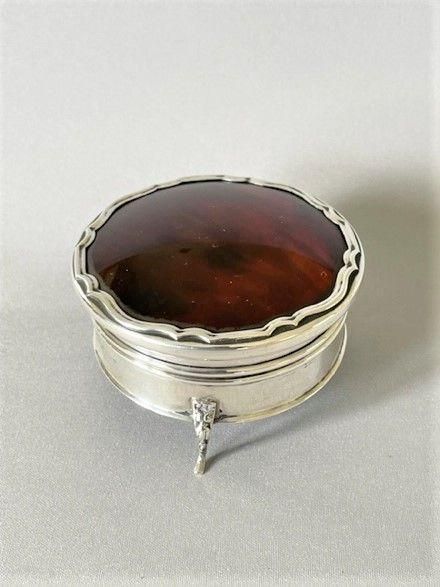
Store them individually in lined boxes to prevent softer gemstones like opal and pearl from scratching against harder diamonds.
Can antique rings be resized?
Most gold and platinum antique rings can be resized by a skilled jeweller who understands historical metalwork.
Intricate gallery work or continuous gemstone channels around the band may complicate adjustments, so professional assessment is advised.
What is an old-cut diamond?
Old-cut diamonds are hand-shaped stones characteristic of Victorian and Edwardian jewellery production.
They exhibit distinct facet patterns and smaller tables that catch candlelight warmly compared to modern brilliant cuts.
How do I identify the metal purity?
Makers and assay offices stamped precious metals with hallmarks indicating gold carat weight, such as eighteen carat or fifteen carat.
Platinum and high-grade gold pieces often display these official marks inside the hoop to verify their composition.